
I remember hiding behind a column, waiting for all the other journalists to interview an Egyptian official attending an international conference, which I had been assigned to cover.
I did not want anyone around. It was my first interview with a foreign official, and I was so nervous that I thought I might mess up and make a fool of myself.
Hoping to cover up my insecurity, I had even bought a book out of my own pocket as a gift for the official, which is very unusual. And although I was the first journalist to enter the interview room, I ended up waiting there for two hours.
That was 14 years ago, but the memory is so vivid that it seems like yesterday. It was the first real test of my communication skills in an unfamiliar setting, giving me a sense of how important they are and how costly it can be not to master them.
Several gifts, many “no”s to opportunities to ask questions from officials at live TV press conferences, hundreds of interviews, and dozens of public speeches later, I can’t imagine my life without the verbal and non-verbal communication skills I now have in my repertoire.
And, with a degree in communication studies, I thought I had it all figured out until I met Joana Lisboa, a vocal coach.
Joana, like me and about 75% of the population, used to be afraid of speaking in public. But she had to overcome this fear in order to pursue her deep-seated passion for acting and singing.
The more she learned about vocal techniques, the more she fell in love with the subject—so much so that she decided to teach others how to connect with their “true voice” and use its transformative power in various aspects of their lives, just as she has done herself.
And she’s been doing that since 2011.
While she continues to evolve as an actress, voice-over artist, and singer with an academic background in community music and a successful appearance on The Voice Portugal, Joana is currently focused on helping business professionals and singers speak and sing with confidence.
To date, she has coached more than 500 clients from all walks of life—from ministers, CEOs, and entrepreneurs to corporate employees, tour guides, actors, and singers—helping them integrate the unique qualities of their voice “in a healthy way,” with an emphasis on storytelling and authenticity.
She does this through a series of online, in-person, and hybrid programs on her platform, offering tailored services for individuals, such as Your Voice Mentorship, Vocal Consultancy for Speakers, and Vocal Coaching for Singers.
For companies, she provides Workshops for Team Building Events, a Vocal Crash-Course for Effective Communication for Teams, and Mentorship for Executive Leaders.
And I know for a fact that Joana doesn’t just talk the talk—she walks the walk.
In my three-hour conversation with Joana, I was able to see firsthand the depth of her communication skills—both verbal and non-verbal.
Although English is not her first language, she sounded very confident and used her words patiently and thoughtfully. Her voice, a testament to her years of vocal training, was clear, capturing attention, and conveying authority.
Her eye contact was deliberate and engaging without making me feel uncomfortable. Equally striking was Joana’s upright posture, which had a positive effect on her delivery.
But perhaps most notable was Joana’s commitment to active listening. In a world often dominated by monologues, I was particularly impressed by her sincere attention.
I must admit that I also felt a little intimidated.
I felt Joana could read my every move and gesture. When I noticed that she was not slouching during our conversation, I tried to do the same—pulling my shoulders back and down. It wasn’t easy, but I learned that with practice, you can develop the right posture.
“I often check my posture on the windows of cars or buildings to be aware of it and correct it if necessary,” she said.
Subtle details about how good posture, proper breathing, meaningful pauses, and healthy habits improve our communication were just some of the things I learned from Joana.
I went to the interview as a “know-it-all,” but I realized that vocal training is a valuable investment that I didn’t know I needed for my personal and professional development.
“Vocal skills are still not much appreciated because their impact is hard to measure, but they can be life-changing,” Joana said as we were leaving Jardim do Torel in Lisbon.
Researchers agree that voice training is a worthwhile investment.
Statistics show that fear of public speaking, known as glossophobia, prevents promotion to a management position by 15% and can result in salary losses of up to 10%.
Also, what we say to an audience is not nearly as important as how we say it. Studies have found that effective presentations are 38% our voice, 55% non-verbal communication, and only 7% our content.
This means we should spend even more time preparing our presentation than developing great content—a practice entrepreneurs like Steve Jobs would dedicate weeks to and something that Joana helps her clients with, especially during her consulting sessions.
As she explains, and as almost all of us have experienced ourselves, the benefits of being able to express ourselves confidently and authentically go beyond the workplace and can make a huge difference in our interpersonal relationships as well.
If you’re curious to know how vocal exercises, proper breathing, and active listening can improve our relationships, especially with our significant others, read Joana’s answers to my 70 questions.
Plus, you’ll learn about the daily habits we can adopt for a healthy voice, whether introverts can be good public speakers, how smokers can improve their voice, why we usually don’t like our voice when it’s recorded and what we can do about it, how to analyze and trust our voice, why Joana stopped dying her hair, and how being a mother inspires her work.
Let’s dive in for a dose of information, inspiration, and actionable insights.
Enjoy!
1- Who is a vocal coach, Joana?
A vocal coach is someone who helps people speak or sing confidently in public.
2- What do you think singing, acting, and vocal coaching have in common?
In vocal coaching, just as in singing and acting, we work on the plasticity of our voice and on feeling comfortable in our own body and emotions.
3- For someone who has never considered vocal training, why do you think it’s a valuable investment?
It’s a powerful tool for exploring who we are and getting out of our comfort zone. Those who invest in vocal training become more self-aware and self-confident. They change from the inside out until they accept their own authenticity—like a snake shedding its old skin to embrace its new “self.”
It’s an inner work with visible, lifelong results. With the help of voice training, public speaking becomes easier because we speak from our own truth. Our message becomes authentic, whether we’re ordering a coffee or giving a speech in front of hundreds of people. It’s one of the best investments you can make in your life. It has changed mine.
4- How would you describe your signature approach to vocal coaching?
My signature approach to vocal coaching focuses on individual strengths and involves a process that is both fun and gradual. Through repeated, simple exercises, the voice becomes more flexible, calm, and authentic over time.
5- You help your students find their “true voice.” What does a “true voice” sound like?
A true voice sounds great! It’s relaxed and confident, reflecting who we truly are. It’s authentic, assertive, and in touch with our emotions.
6- Three things to look for in a vocal coach?
Knowledge of vocal technique and how the voice works, experience, and the ability to adapt this knowledge to each client and student. Everyone needs something different because we’re all different.
7- Two qualities you look for in a student?
Openness and the will to move outside their comfort zone without fear of change.
8- What insecurities did you have when you started working on your vocal skills, and how did you overcome them?
I was super shy as a kid, and this shyness took away from my vocal power. I spoke softly, so I often had to repeat myself. My speech wasn’t clear because I articulated poorly and my voice was too nasal and definitely unbalanced.
Vocal techniques have changed my life. Through simple exercises, I became more aware of my voice, and it began to change day by day. It’s a slow process, but it’s worth it. Now I feel more extroverted and in control of my voice. As a result, I can express myself more easily and freely.
9- With more and more AI voice coaches hitting the market, what do you think about the use of AI in vocal coaching?
Everything in life is a choice. In the case of vocal coaching, I think it’s difficult to develop a good AI vocal coach.
A vocal coach must be able to read the person in “front” of them, especially in online sessions, in terms of body language, emotional reactions, past traumas, energetic reading, etc.
It is a process that needs empathy and trust to work. Every moment is crucial to the learning process. During the sessions, I do my best to be fully present in each moment so that I can read what is important and notice what needs to be changed if it is not working.
A vocal coach must not only know a lot about the voice, but also adapt all this knowledge to the needs of the individual. Working on our voice means going deep inside ourselves, and I wouldn’t leave that to a machine. But as I said at the beginning, everything is a choice.

10- In your opinion, what is the golden rule of public speaking?
Speaking your truth and embracing the unique details in the way you speak and in your personality. This makes any message more genuine. The goal is not perfection, but to be yourself. When you speak in public, people connect with the real you, not a flawless version that isn’t authentic.
11- The main differences between individual and group voice training sessions?
Individual coaching is all about you because it goes deeper into your personal issues. Group sessions are about sharing and working on common issues together. Group sessions create a safe environment for you to share, but the time for each individual is limited, unlike the focused attention you receive in private coaching.
12- How can we know which one works better for us?
To decide which coaching approach is better for you, consider how comfortable you are with group dynamics and sharing. If you enjoy working with others and exposing yourself to a group, group sessions may be the right choice.
On the other hand, if you prefer to focus on personal issues or have specific goals, such as expressing yourself better as an entrepreneur and improving your public speaking skills, individual sessions may be more effective.
13- Can remote vocal coaching be as effective as in-person sessions?
I’ve been holding mostly online sessions since the pandemic, and it’s working very well for me and my clients. It’s convenient, and I’ve learned to manage details like posture effectively.
I also offer in-person sessions, but I’ve found that online coaching is just as effective. If someone prefers in-person sessions, we can arrange that, but online coaching works great.
14- Can you briefly explain how our breathing affects the quality of our voice?
Breathing is everything when it comes to our voice. It’s like the fuel that powers it. If your breathing is not good, your voice will not be good either. Stressful breathing shows up in a tense voice that lacks calmness. So breathing has a significant impact on the quality of your speech.
In my first session, I always focus on breathing because it’s the fundamental step in vocal coaching. Without proper abdominal breathing, it’s not easy to manage and control your voice. The initial goal is to develop an awareness of your breathing and reconnect with it.
15- How has vocal coaching evolved over the years, and what improvements would you like to see in the industry?
Vocal coaching has changed, but the core is still the same: people and their insecurities. Even with new tools like videos and resources for self-training, the human element remains crucial. The way we teach vocal techniques has become less technical and more emotional, but the basics are still important.
If I could make things better, I’d suggest starting voice training early, like a regular school subject. Whether it’s through theater, acting, singing, or vocal coaching, getting kids in touch with how their voice is developing can make a big difference.
16- Two tips on how to get the most out of a vocal coaching course?
First, bring a strong willpower because to change your voice and become more authentic, you have to put in the work. Second, get ready for some funny exercises that may initially push you out of your comfort zone.
Like acting or character work, these exercises may feel a bit unconventional, but they are an essential part of the process. Keep an open mind and take the opportunity to explore different layers of yourself and your voice.
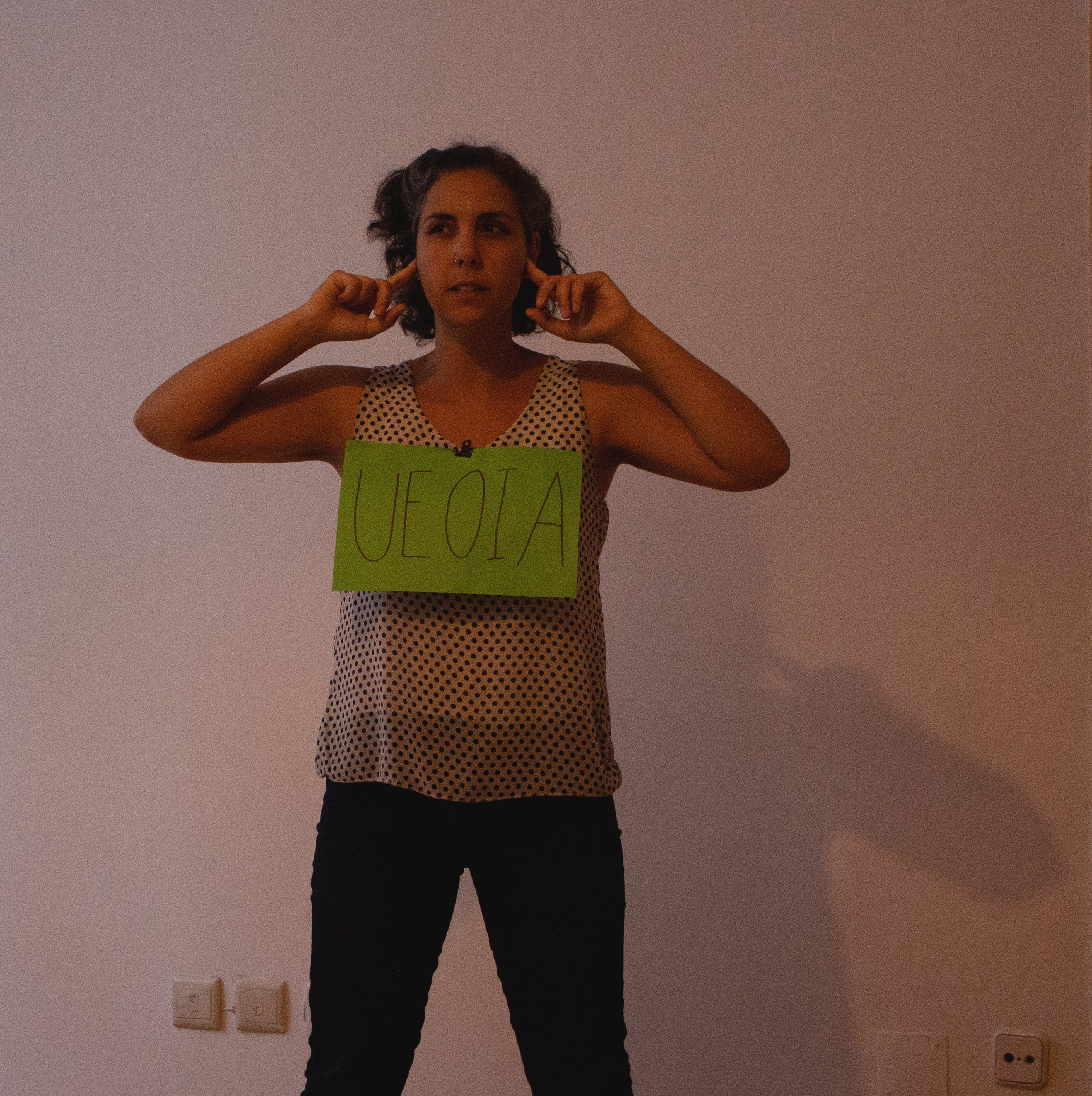
17- As virtual meetings become more common, what adjustments can help people convey confidence and authority through their voice in online settings?
Align your body language with your message. Sit comfortably or stand and use gestures. Put on a genuine smile, not necessarily with teeth, but in such a way that your cheek expression conveys comfort. Keep your message brief, assertive, and empathetic. Don’t talk too much. A well-thought-out, concise message has more impact.
18- How can we balance embracing our insecurities and vulnerabilities while still expressing self-confidence?
It starts with accepting and embracing our vulnerabilities. Many people find it difficult to admit this to themselves. The first step is acknowledgement, followed by practice.
Record and listen to your voice, face the emotional process, and gradually accept your imperfections. Remember, being confident is not about being perfect; it’s about being yourself. People connect with authenticity and the little imperfections that make you unique.
19- What daily habits do you recommend to maintain overall vocal health?
Drink beverages at room temperature. Avoid air conditioning as it can have a negative impact on the health of your voice. Get a good night’s rest because too little sleep can make your voice feel uncomfortable and hoarse. Hydration is important, so drink plenty of water.
What’s good for your body is also good for your voice. So avoid excessive alcohol consumption, caffeine, and fatty foods. Also, exercise is amazingly good for your voice because it helps relieve stress.
Finally, take care of your voice: If it hurts, you should understand why. We only have one voice, so it’s important to take care of it. If you damage it, recovery will be more complicated.
20- In a multicultural context, what’s the rule of thumb for navigating preferences regarding physical distance, eye contact, etc?
In a multicultural setting, it’s helpful to know some general cultural norms, but the most important thing is to read the person. Body language speaks volumes, so let that be your guide. Be a good listener rather than a constant talker.
Respond smartly when necessary, but create a balanced space by starting a little more distant and light. If you notice a cultural similarity, adapt as needed. Adaptability is key in these situations.
21- In what three ways can vocal coaching improve relationships, especially with our significant others?
First, learning to release tension through vocal exercises helps you communicate more confidently and from the heart.
Second, you become better at actively listening and understanding where others are coming from.
Finally, mastering abdominal breathing keeps you calm and assertive, making it easier for you to express what you want authentically.
22- The most important thing that participants in your “Voice Circle” group coaching sessions become aware of?
They become aware that everyone has their own issues—vulnerabilities, insecurities, whatever. Voice Circle creates this group vibe where you feel more comfortable and confident. You realize that your issues are important, just like everyone else’s.
It’s an intense, fun, and super productive way to learn. But here’s the catch: you have to practice at home because it’s not just about you, it’s about others, too. And it teaches you the basics of respect, like listening when someone is speaking. It sounds simple, but believe me, not everyone has got it down.
23- Why should companies consider vocal training for their employees?
In today’s world, our voice plays a critical role in advancing our careers. Whether it’s presentations, speeches, or other public speaking situations, effective communication is key.
Active listening, as mentioned earlier, is also important. But it’s not about staying quiet; it’s about understanding when you need to strategically assert yourself, like a lion waiting for the right moment.
Vocal training is a highly effective tool for improving communication skills, making teams more effective in both internal and client-facing interactions.
24- How does being a mom inspire your work?
Becoming a mom has been a game-changer. It has changed the way I perceive the world, shifting my focus from individuality to shared responsibility for building a better future, especially for the little ones. It’s like the song “We Are the World,” you know?
She’s my greatest teacher, teaching me patience, a quality I sometimes lack in my personal life. Thanks to her, I’ve become better at handling tense situations, finding humor, and turning them into opportunities for growth. As a vocal coach, these skills are invaluable, not only for my work, but also for getting along in any job and dealing effectively with people.
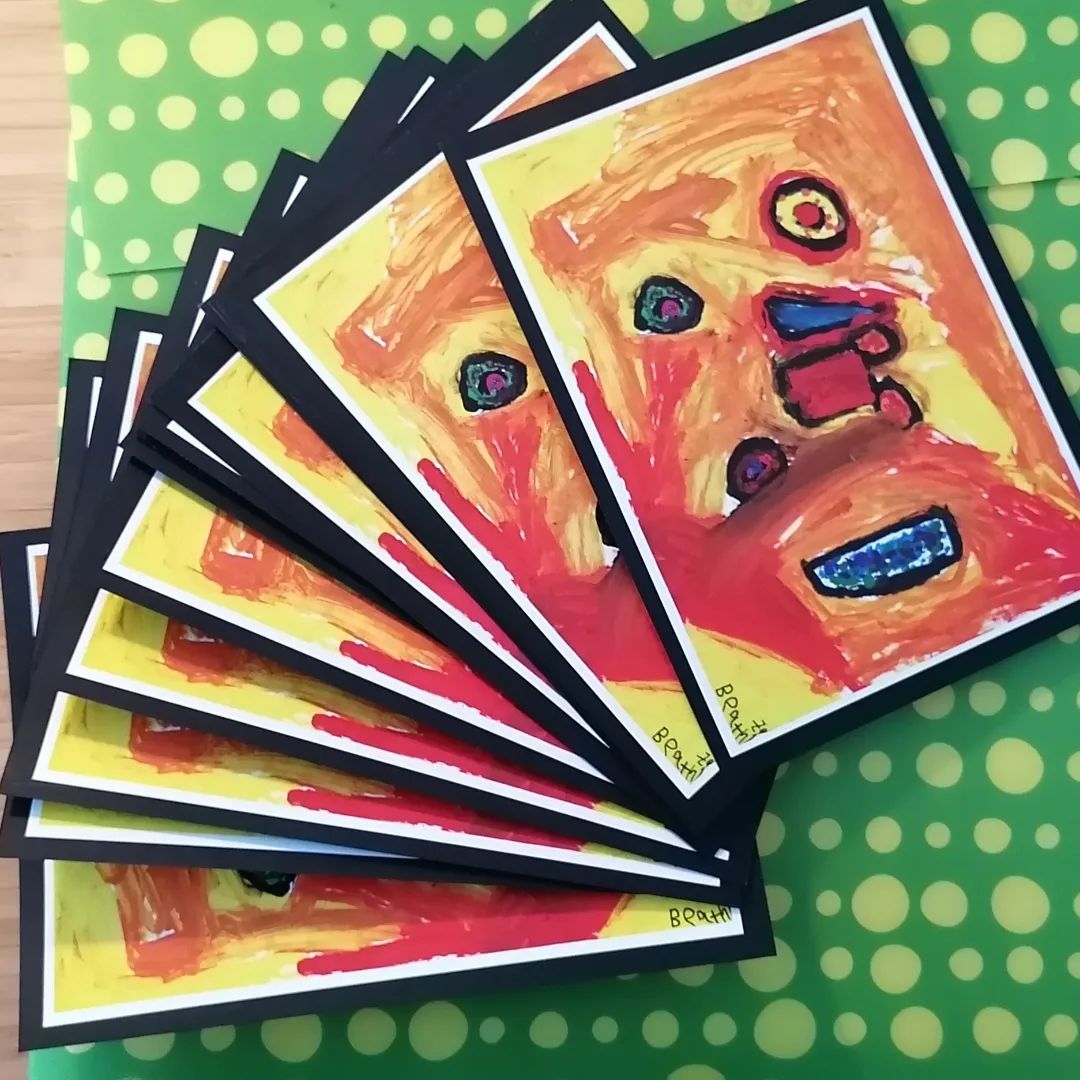
25- Why did you decide to give your daughter’s painting as a gift to others during the 2022 holiday season, and what do you think it meant to her?
I love art, and her paintings are truly artistic to me. Instead of generic gifts, I wanted to give something meaningful that reflected her value as an artist. It meant a lot to her because she saw her art as valuable and that had a positive impact on her self-esteem.
26- The biggest myth about public speaking?
The biggest myth about public speaking is the idea that you have to be someone you are not. It’s not about putting on a show or trying to be someone else. Instead, it’s about rediscovering the simple and authentic aspects of yourself that others appreciate.
We often admire qualities in others that we don’t recognize in ourselves. We need to embrace the idea that we’re enough just as we are. The key is to get rid of societal layers and reconnect with our true selves, like when we were kids.
This myth creates unnecessary pressure, but the truth is that you don’t have to be someone else; you just have to tap into your own uniqueness and authenticity.
27- The top characteristics of a person you would call an “authentic” speaker?
- Confident in delivering their message
- Speaking at an appropriate volume
- Not afraid to express their own ideas
- Showing empathy toward the audience
- Willingness to engage with the audience
- Authenticity in presenting themselves with their unique qualities
28- You once wrote an article called “Trusting Your Voice Again.” What’s the first step that any person can take to trust their voice again?
The first step to regaining confidence in your voice is to record it and listen to it as if it were someone else. This will allow you to objectively assess what is good and what needs improvement.
The key is to be gentle and compassionate with yourself and understand that your voice reflects the experiences of your life. Developing self-love and compassion is critical in this process.
29- How would you explain “vocal plasticity” to beginners, and why is it important to be aware of it?
Think of your voice as an instrument, an elastic one that can produce different frequencies from low to high pitches. Vocal plasticity is about exploring and using that range, rather than limiting yourself to a safe spot.
It’s like painting on a large canvas and being able to express yourself with different frequencies. Just like in a song where you explore different tones, your speaking voice can be just as varied and rich. When you embrace vocal plasticity, you can realize the full potential of your instrument.
30- Three more terms besides “vocal plasticity” that anyone who wants to improve their vocal skills should know?
- Vocal support: Think of it as the solid ground for your voice, the platform from which your sound comes from. Understanding it is like having a stable base before you take a confident leap, much like jumping into a swimming pool.
- Chest voice: This is about feeling the resonance and vibration in your chest as you speak. This is not just a physical sensation, but reflects how assertive and confident you are in your communication. If you do not feel this vibration in your chest, it may be an indication of tension and an incorrect vocal placement.
- Abdominal breathing: This is the foundation for vocal control and stress relief. Abdominal breathing connects you deeply with yourself, promotes a sense of calm and releases tension. It’s an important component for anyone who wants to become more aware of their voice.
31- Two practical exercises that anyone can incorporate into their daily routine to better control their voice?
Here are two exercises to improve voice control:
- Chest voice vibration exercise: Feel the vibration in your chest as you speak. This helps you connect with your chest voice, regardless of your pitch.
- Breathing awareness exercise: Lie down and place a book on your belly. Breathe and focus on pushing the book up as you inhale and letting it fall down as you exhale. Also, practice hand-on-belly breathing when sitting or standing. Place your hand on your belly, feel it expand on inhale, and contract on exhale. These exercises enhance awareness of your breathing, promoting a relaxed belly breath.
32- A situation in which your vocal skills have repeatedly brought you great benefit?
One situation where my voice has always helped me a lot is in new meetings. Although I’m somewhat introverted, I use my breath, chest voice, and a genuine smile to be more authentic and overcome my anxiety. It turns out that this approach helps me connect with people and handle my insecurities.
33- A simple tip to avoid filler words like “um,” “ah,” and “you know” when speaking?
An important tip for minimizing filler words is to focus on your message and include intentional pauses. Instead of using filler words, practice taking meaningful pauses during your speech or presentation.
Not only will this help you avoid unnecessary filler words, but it will also contribute to effective communication by allowing your audience to better absorb and understand your message. It may be difficult, but with practice, you can improve your speaking skills and reduce your use of filler words.
34- Two public figures whose speaking skills you appreciate?
Barack Obama and Morgan Freeman.
35- Can a voice that has become hoarse from smoking be restored or improved?
It depends on the extent of the damage. Prolonged smoking can lead to serious issues such as vocal cord gaps or even cancer, making recovery more difficult. However, for regular smokers who want to quit, positive changes can occur.
Pay attention to your breathing, especially abdominal breathing, to reduce stress on the throat and prevent further damage to the voice. Staying hydrated is also important.
Although the process may take some time, quitting smoking and developing healthy vocal habits can have a positive impact on your voice and your life in general.
36- If your voice had a color, what would it be, and why?
If I had to pick a color for my voice, it would be a blend of warm yellow and fresh turquoise green, which you’ll find on my website and in my logo.
This combination reflects my personality: grounded yet creatively unpredictable, especially when it comes to artistic improvisation. These colors help me define not only myself, but also what I want to convey in my classes.
37- What do you think of “fake it till you make it” when it comes to speaking confidently in public?
I agree with the idea of “fake it till you make it” when it comes to confidently speaking in public. It’s part of the learning process and experimenting with different aspects of our voice.
Visualizing and practicing certain qualities can eventually become a reality. However, I see it more as a resource and a way to learn more about ourselves than to completely fake it. As we gain awareness and understanding, we grow personally and become more authentic.
38- A study found that people judge us based on a split second of our voice. What do you think about this?
Your voice is your “best business card” because it’s often the first thing people notice about you, even before they exchange physical business cards. When you introduce yourself, your voice makes the first impression.
While other factors such as eye contact and appearance also play a role in communication, they vary from culture to culture. Voice is universal and therefore an even more important aspect of communication.
39- What is the science behind why our voice sounds different when recorded?
What we hear in our own voice is affected by the resonance of low-pitched sounds, making it sound warmer and more pleasant to us. However, when we listen to a recording, the intensity of the low-pitched sounds is missing and the higher pitches are emphasized, which can sometimes be a less pleasant experience.
40- I know a lot of people who don’t like hearing a recording of their voice. Is there something you would like to tell them?
Recording our voice is important because it allows us to find a balance between what we hear and what others hear. Practicing with recordings helps us match our perception with how others perceive our voice.
And it is important that we continue to record our voice and face the discomfort because this is an emotional process. When we hear other people’s voices, we often don’t judge them as harshly as we do our own.
It’s a difficult emotional process that we go through, from the moment we find our voice awful to a point where we can objectively analyze and improve it. Embracing this process is the key to overcoming the initial discomfort and developing our relationship with our own voice.
41- Your message to introverts who may think they can never speak confidently in public?
I’d say that they should not compare themselves to extroverted speakers. Introverts can excel in public speaking and find their unique expression.
There are many successful introverted speakers and vocal coaches who specialize in combining introversion with public speaking. One of them is Susan Cain. She gives TED Talks and has helped many introverts by her example.
I, too, have had a difficult journey to overcome my fear of public speaking, and it takes everyone different amounts of time.
Introverts often have the strength to repeat and practice, which makes it easier for them to adopt new methods and examples. It’s a matter of practice, and with dedicated effort, introverts can become confident speakers using their unique skills.
42- Two tips to make an online meeting more engaging?
- Start by clearly defining the purpose and agenda of the meeting. Avoid unnecessary rambling and focus on the objectives.
- Guide the conversation so that it aligns with the goals of the meeting. Prevent distractions and keep the discussion on track.
43- In a LinkedIn post, you mentioned that some people, especially those in leadership positions, prefer private vocal training sessions. Do you think there’s still a taboo around vocal training, and if so, how can it be broken down?
Many people, especially those in leadership positions, may be hesitant to admit that they need vocal training. It’s a vulnerability they may perceive as a threat to their authority because there’s a perception that leaders should have everything under control.
Reluctance to admit that there’s need for improvement may come from fear of losing the traditional hierarchical image associated with leadership.
In more collaborative work environments with flat structures, which I believe are the future of most workplaces, it may be less taboo to talk openly about voice training.
44- Can you give us an example of a team leader who has achieved something significant in their company thanks to your vocal coaching courses?
I recently worked with a team leader who had difficulty presenting in English, which is not his native language. In our vocal coaching sessions, we focused on refining his presentation skills and conveying emotion effectively. As he progressed, he received a significant promotion, and it was very rewarding to witness his growth.
This experience shows the importance of exploring your voice and how it can open you up to new possibilities. Although it’s a personal perspective, I believe that immersing yourself in a deep process can lead to personal transformations and greater authenticity, which can open new doors for you on your career path.
45- If you could give a short piece of advice to someone going into a stressful situation, such as an important presentation or meeting, what would it be?
“The fact that you are here means that you deserve it. You’ve got this. Just be yourself. Take a deep breath. Be courageous. And believe in your abilities.”
46- How does posture impact vocal delivery?
Our posture is crucial for vocal delivery. When you stand upright, it’s as if you are tuning your instrument. You feel more at ease and have better body awareness, which ensures better sound projection.
47- What tips do you give to ensure optimal posture for effective communication?
It’s helpful to stretch and understand how your body feels when you stand upright. I often check my posture on the windows of cars or buildings to be aware of it and correct it if necessary. Remember to keep your shoulders back and down, your neck in a neutral position, and your spine as straight as possible.
48- How do you tailor your coaching for students who speak different languages, such as English or Portuguese, taking into account the unique characteristics of each language?
I designed my course in Portuguese and adapted it to English, taking into account the differences in expressions. While the core concepts are the same, I use different examples. I often draw inspiration from Portuguese poems and stories, but I’m open to student suggestions to make the lessons as personalized as possible.
49- The first two steps to analyze and know our voice better?
To analyze and get to know your voice better, you need to record it and listen to it. After the initial emotional shock, you have to reconnect your voice with your body through breathing and vocal support exercises. This is the beginning of the vocal consciousness process.
50- Something you wish more podcasters knew about?
For podcasters, it’s important to avoid audible breathing, which can be unpleasant for listeners. Practice abdominal breathing to avoid this sound.
A balanced resonance between low and high pitches is necessary for confident and engaging communication. Smile when you speak and pay attention to proper breathing to convey your message powerfully and authentically.
51- Do you think our smile will come through even in an audio recording where the listeners can’t see our face?
YES! Your smile can also be “heard” in an audio recording. Try speaking with and without a smile and you’ll feel the difference. Your voice carries an imprint of your emotions. It’s fascinating how the voice reflects what you feel, and that energy comes through loud and clear to your listeners.
52- What personal or professional milestone do you credit to your participation in The Voice Portugal that wouldn’t have been possible otherwise?
It was a nerve-wracking experience, especially because it was my first time appearing on a TV show. I faced my fears by performing without musical support from other musicians and using my own voice to create layers of sound with the help of a live looping machine.
When I think back on that experience, which came at a difficult time in my life, I find it impressive how I stepped out of my comfort zone. It taught me that I can do anything I set my mind to.
53- You studied community music at ESELx. What’s community music and how does it help the community?
Community music is a collaborative approach to creating music that emerges from and reflects the preferences and cultural influences of the community. In the process, members of the community bring their unique talents and forms of expression, such as music, acting, or painting, to collaborative projects.
The process aims to go beyond mere time-filling activities, with the ultimate goal being the creation of a valuable artistic product. The final presentation is usually the culmination of the various contributions and results in a community-supported work that has artistic value.
54- Your hairstyle is very distinctive and, in my opinion, looks gorgeous and fits you perfectly. What does it say about your personality?
I’m pretty practical when it comes to almost everything, including my hairstyle. I used to dye it, but then I got tired of that whole routine. Now it’s important to me to keep it natural and real. It took me a while to fully embrace my natural look. It’s been a journey of self-acceptance.
I believe that women should embrace their natural hair if they want to. We shouldn’t be pressured to be forever young. Men get gray hair, and that looks cool, right? So I see it as a statement—women have the right to have natural and healthy hair, just like men.
55- Your advice for vocal experts who want to start their own business like you?
Make sure you have a comprehensive understanding of voice, including its emotional aspects. Being a vocal coach is not just about technical skills, but also about empathy and a caring attitude, especially when it comes to people’s emotions and challenges.
On the business side, focus on genuine storytelling to connect with others. Building authentic relationships is key because business is about more than just selling services. Finally, you should have a genuine passion for your work because that plays a crucial role in being a reliable support for your clients.
56- You have experience working as a voiceover artist. Can you tell us a fun fact about voice acting?
A fun fact about voice acting, especially for children’s cartoons, is that you often need to create five different voices, for example, rather than just one character voice. They should sound different so people don’t realize it’s the same voice.
57- Is there a book, app, etc. that you’d recommend to those who want to improve their vocal skills?
“The Voice Book: Caring For, Protecting, and Improving Your Voice” by Kate DeVore and Starr Cookman.
58- Something not many people, even those close to you, know about you?
I’m quite open with people close to me, but what they may not know about me is that I’ve had a secret admiration for acting, movies, and TV shows since I was a little girl.
Deep down, I’ve always dreamed of becoming a professional actress. Although I love singing and vocal coaching, I have a secret desire to one day be in a movie or TV show and play a character.
59- What do you think of AI-generated songs?
I’ve listened to some AI-generated songs. In my opinion, songs have always been built on elements from the past. Even what we think is original in the music world is often a combination or rearrangement of existing ideas.
AI mimics this creative process to some extent, quickly selecting and combining pieces to create something new. It’s faster, but the core of the creative process remains similar to what humans have done before.
60- An original song of yours that you like best?
Escrever (writing)
61- Fado?
Saudade, a word that exists only in Portuguese and means that you miss someone or something deeply. Fado is music that comes straight from the soul. The Portuguese blues.
62- The future of human communication?
More emotional and less formal.
63- A hidden gem in Lisbon?
Jardim do Torel.
64- A gift idea for someone who is passionate about public speaking?
A vocal training course or workshop.
65- Voice?
Power.
66- Joana Lisboa?
I do my best to be authentic in my daily moments, I enjoy helping people become their better version, and I find fulfillment in encouraging them to step out of their comfort zone—something I love for myself as well.
67- How do you want to be remembered, Joana?
I hope I’ll be remembered as someone who helped raise awareness of vocal coaching and vocal consciousness, as a gentle and cheerful person, and as someone who made a positive contribution to society.
68- Is there a question that you wished had been asked during this interview but wasn’t?
One question I’d like to add to yours is: why is vocal coaching so little known?
69- And your answer?
Voice training is often overlooked because it involves skills that people take for granted and that are not visible or measurable. Although the results are practical and obvious, many people are unaware of the power of their voice because they were born with it. Yet it is a powerful tool for communication, negotiation, and expression.
That’s why I’d like to see voice training included in school curricula, especially since our voice plays a crucial role in various aspects of our lives, from professional conversations and meetings to everyday interactions.
70- Any final thoughts, Joana?
I really hope that vocal coaching gets more recognition and that people become more aware of its importance. Just give it a try and see what positive impact it can have on your life. That’s my final thought.

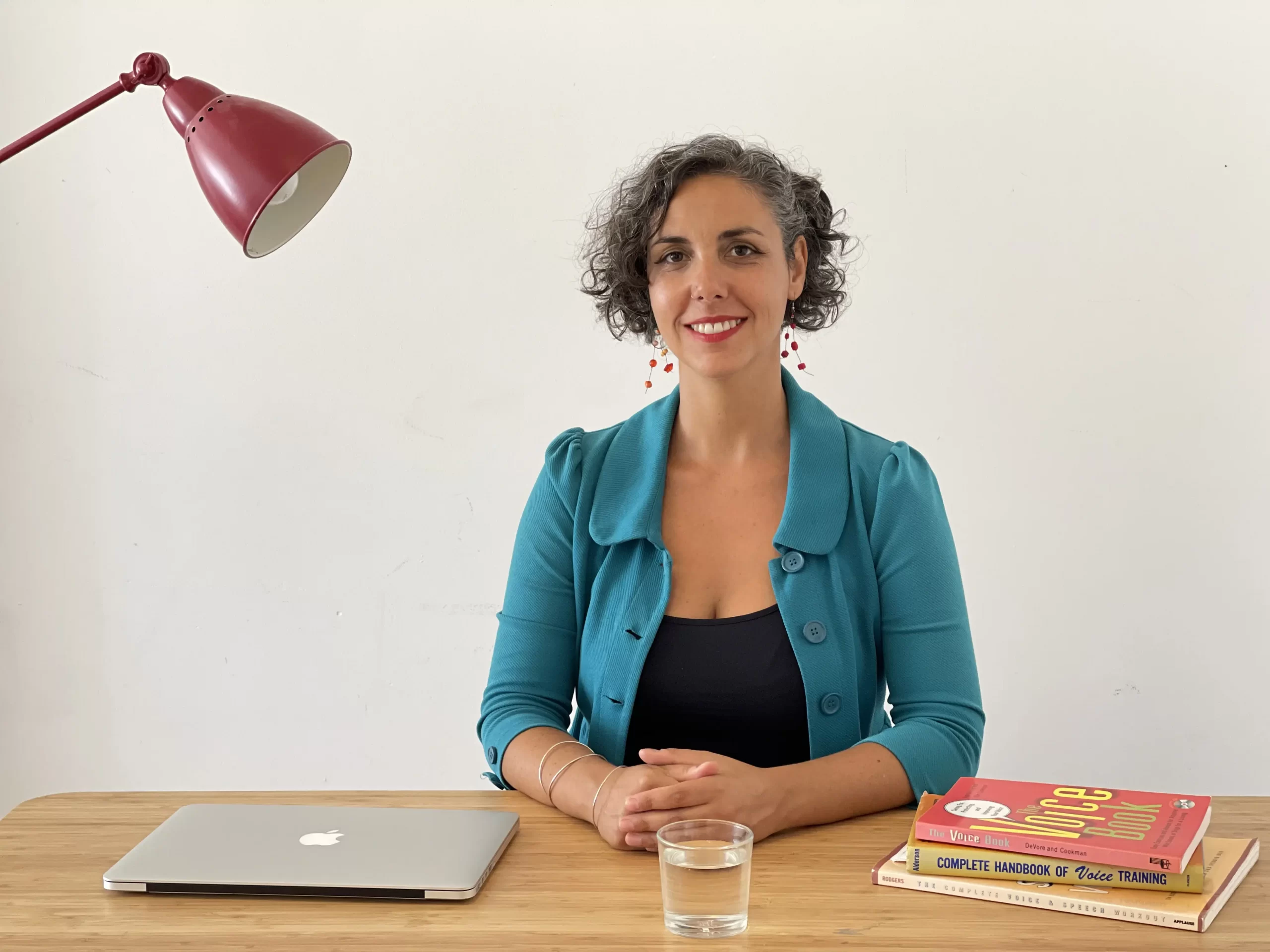
Featured image [cropped]: Joana Lisboa, a vocal coach, professional singer, and amateur actress (Photo credit: Yuliia Bohdanova)




 Portugal Startup News