
“Balance” is the word that comes to mind every time I see the content that Vanessa Sebben puts out into the world. Her personal and professional life seems to be elegantly wrapped in serenity and harmony, which I believe is the result of a balanced approach to everything she does.
In my experience, this kind of balance is not easy to achieve, especially in fields that require blending human touch, insight, and expertise with the speed, efficiency, and precision of technology—not only for personal fulfillment, but also to better serve clients.
“Tech-enhanced craftsmanship”—that’s how I would describe such endeavors. And Vanessa, in my opinion, belongs in this space.
As a career strategist, she combines market research, industry analysis, and technologies such as artificial intelligence with a strong focus on uniquely human qualities and skills. The result is data-driven guidance with soul.
This approach has proven successful, with Vanessa’s consulting firm, VS Strategy, having helped hundreds of professionals secure positions at Fortune 500 companies and leading organizations—such as Google, Amazon, and BMW Group—as well as outstanding mid-sized and small businesses.
Her expertise in career strategy and professional image development—including resume, cover letter, and LinkedIn profile optimization—feels effortless and ingrained, as if she’s been doing it all her life.
But you might be surprised to learn that she studied law and worked as a lawyer in her home country, Brazil, before moving to Australia in search of a change of pace and new experiences, where she discovered her true passion and purpose: helping professionals advance in their careers.
Perhaps “discover” is not the right word here, because Vanessa believes in the idea of “creating” your passion rather than “finding” it. And she’s living proof that if you put in the effort to get really good at something, it’s more likely than not that you’ll come to love it.
In her case, “putting in the effort” involved developing her entrepreneurial skills, as well as her resume and cover letter writing skills, through programs offered by the Massachusetts Institute of Technology and Harvard University.
And, of course, applying what she had learned in theory to her entrepreneurial career, with the aim of helping individuals find valuable employment opportunities and elevate their personal brands.
Based in Sydney, Vanessa knows the Australian job market like the back of her hand, but her knowledge and insight transcends borders, enabling her to help clients from all over the world, from all kinds of backgrounds, across various industries, and at different career stages.
This global approach inspired her book, Career & Mindset Reflections, which offers insights to upgrade your mindset and inspire action. From rethinking job requirements to resume tips, managing stress, and viewing your career as a masterpiece, it’s a guide to embracing personal and professional growth in a fresh way.
Vanessa generously shared her thoughts, knowledge, and experience in answers to 70 questions about life in Australia, her transition from law to career strategy, her travels, the lesser-known sides of her, and much more.
Read on for a dose of inspiration and information, especially if you’re seeking career opportunities where you can earn more, learn more, and achieve more, and want to discover how an expert blending cutting-edge technologies with human qualities can give you a competitive edge.
Happy reading!

1- What are three things that only a career strategist can do, Vanessa?
It’s natural for people to see their career journey from an inside perspective — focused on days and months — less often thinking in terms of years and decades.
A career strategist can offer a fresh perspective: understanding your professional progression and evolution through a trained eye, connecting your abilities, results, and mission, and telling your story in a unique way. A vision for your life’s work.
2- What should you not expect from a career strategist?
Magic solutions to complex challenges. Career strategists provide guidance and strategies, but there’s no “quick fix” for deep-seated career challenges. You’ll need to put in the work.
3- What do the individuals you consult have in common?
A willingness to grow, improve, progress, and evolve.
4- How do you balance using technology with maintaining a human touch in your work, both for yourself and your clients?
I use technology to save time and stay organized. For clients, it’s about leveraging tech to enhance — not replace — their professional image, ensuring strategies remain human-centred while also being algorithm-friendly.
5- What does it mean to create “algorithm-friendly” resumes, cover letters, and LinkedIn profiles that you help your clients with?
The development of a resume, cover letter, and LinkedIn profile happens in stages. The algorithm-friendly part is the final stage, which involves tailoring the documents and online presence to be easily understood by Applicant Tracking Systems (ATS) and search algorithms.
In simpler terms, it’s about making it easy for computers to read and maximizing the chances of it reaching recruiters or decision-makers in the organization. But before that, we need to extract the person’s uniqueness and showcase potential, then make it algorithm-friendly.
6- What should we know about Applicant Tracking Systems (ATS) to use them to our advantage?
Keywords matter, simple formatting is preferable, standard job titles are preferred over highly creative ones, and avoid overstuffing information.
Additionally, focusing on quality content is crucial when optimising for Applicant Tracking Systems (ATS). Tailor your content, highlight achievements to showcase potential, build your career timeline, and use natural language — avoiding a mechanical or ChatGPT-like style.
7- What would you say to someone who believes they can DIY their career strategy?
I’d say that while it’s possible to navigate your career on your own, having a career strategist brings speed and precision to your career evolution, as well as helps you avoid common pitfalls.
DIY strategies may work in the short term, but a professional offers advice and new perspectives for the long run. They can help you refine your approach, identify opportunities you might miss, and hold you accountable for reaching your goals.
8- When is the ideal time to seek the help of a career strategist?
As with many things in life, there is never an “ideal” time, but a time that is ideal for you. Meaning, when you feel it’s time to make a change, face a challenge, or take your career to the next level. This comes in many forms — a frustration, a desire for growth, or a new opportunity that sparks your interest. Whatever it is, that moment signals the start of something new.
9- What is the key takeaway for someone booking a meeting with you for the first time?
It’s about organizing their ideas around professional goals and creating a clear timeline for their career journey and achievements. Since professionals are immersed in their own story 24/7, a career strategist offers an outside perspective to help them see the bigger picture and make informed decisions.
10- What would be the best next step for someone who is considering investing in a career strategist but isn’t sure if it’s worth it, especially without a current source of income?
With pen and paper, write down what you are looking for in your career over the next 6 months. Then, reverse-engineer a plan and break it down into small steps. Additionally, take the time to understand your industry and what companies are looking for. This will help you get started.
As a next step, research career strategists online and check their free resources first. For example, I offer insightful content on my website in The Briefing Room section, as well as on LinkedIn, including plenty of articles and a segment where people can ask me questions — the Ask Vanessa newsletter. Apart from LinkedIn, I also run an exclusive email newsletter for subscribers, which you can sign up for here.
Then, consider booking a single consultation with a career strategist to assess the value they can offer.
11- What question do you wish more of your clients would ask you?
How can I become the professional who chooses opportunities rather than just being chosen?
12- How can a client make the most of your consulting services?
By being open and honest, engaging in and trusting the process, being proactive about the areas they want to improve, staying patient, and following through on the commitments we establish.
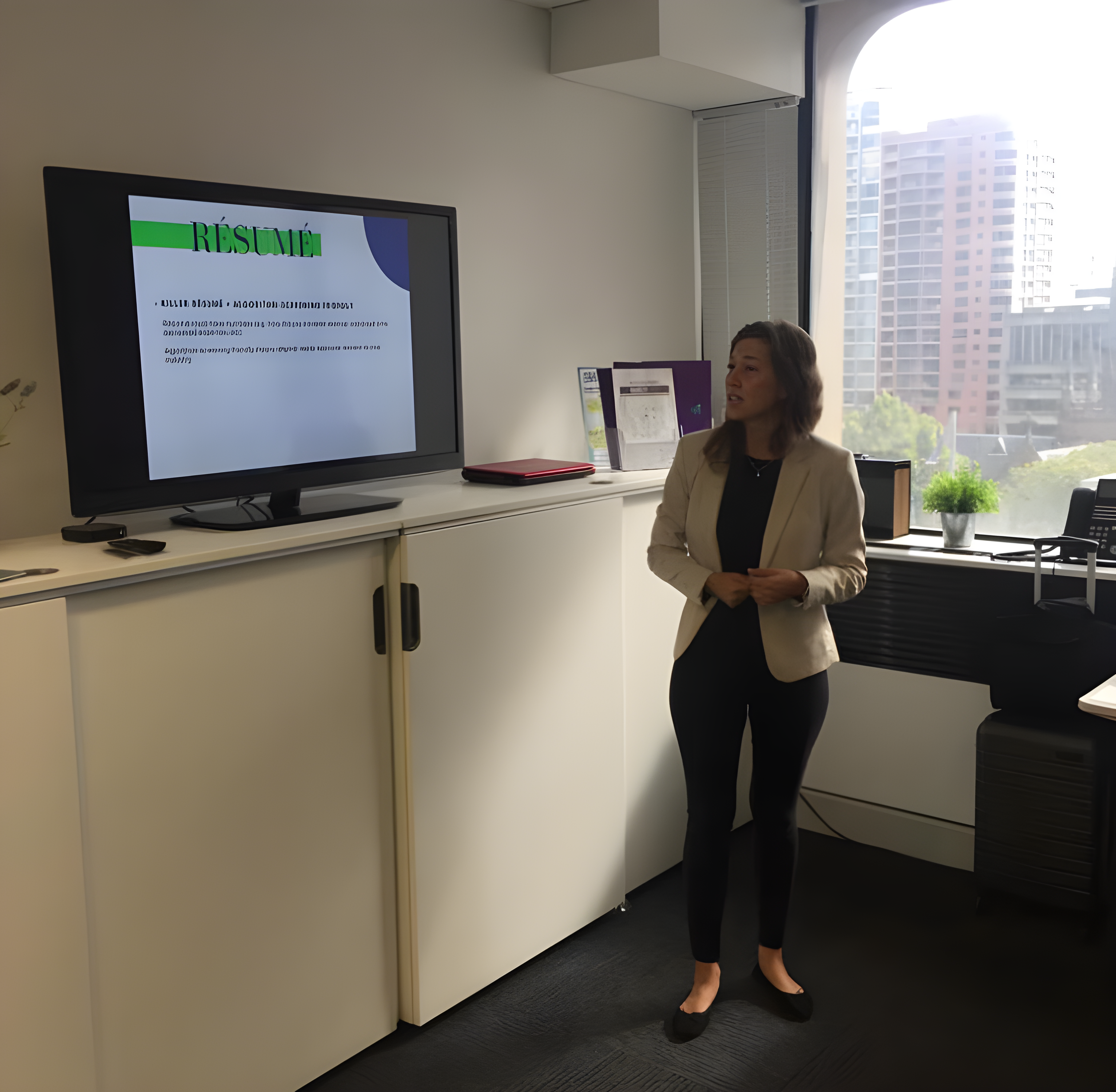
13- You are an expert in “professional image development.” How is it similar to “personal branding,” and how is it different?
Both professional image development and personal branding aim to create a positive, authentic impression, especially in a career context.
However, personal branding is a broader concept that includes various factors, while professional image development focuses specifically on key career documents like resumes, cover letters, and LinkedIn profiles (these elements contribute to your personal brand).
For example, how you engage with others on LinkedIn and manage your online presence are part of your personal branding strategy.
14- What skills have you been able to transfer from your legal background to your current field of work?
Surprisingly, many of them, especially the reading, writing, and research skills. These were the ones that served me the most during the transition. I have always loved writing, and a large part of my job involves it, so it was a perfect transition.
15- In which four ways has AI significantly transformed the job market?
AI has transformed the job market in many ways. Here are my top four:
- Automation of Tasks: AI has automated repetitive tasks, shifting demand toward roles requiring creativity, problem-solving, and emotional intelligence.
- New Career Opportunities: New roles have emerged, such as AI specialists and data analysts, while fields like cybersecurity and digital ethics have expanded.
- Hiring and Recruitment: AI-driven tools have streamlined recruitment, making hiring more efficient and data-driven.
- Skill Evolution and Upskilling: Professionals must continuously upskill in digital literacy, critical thinking, and adaptability at a faster pace to stay competitive.
Speaking of AI, I have a very interesting article on LinkedIn about this topic: “Shaping Your Tomorrow: AI, LinkedIn’s COO, and a Personal Perspective on Careers.“
16- If someone is returning to job searching after some time and wants to catch up on changes brought about by AI without feeling overwhelmed, where should they start?
Start by familiarising yourself with AI’s role in recruitment — how tools like resume scanners, chatbots, and AI-driven job matching work. Then, explore online courses or articles on AI in the workplace, focusing on practical applications rather than technical details, to ease into the changes without feeling overwhelmed.
17- How do you see the future of craftsmanship in an increasingly AI-driven world?
As a huge opportunity. If you look at top brands in watches, pens, and other luxury items — Patek Philippe, Audemars Piguet, Montblanc, and others — you’ll see that they focus on timeless elements and elevate craftsmanship infused with technology.
For those who want to stand out and deliver quality, an AI-driven world presents a great chance to thrive by doing the same: offering their skills, their craft, infused with technology. And I’m talking about entrepreneurs and professionals alike; every employed professional provides a service to the companies they work for.
18- What is the first practical step for someone who wants to upskill or reskill because of all the ongoing technological developments?
The first practical step is to identify the skills that will give you a competitive advantage, then choose a relevant course, certification, or book. With the advancement of online education, books seem to have taken a backseat, but they remain a phenomenal investment that offers a great ROI.
19- What are the most common myths about AI in recruitment?
Some of the most common myths about AI in recruitment include the belief that AI will replace human recruiters and that it only benefits large companies. In reality, while AI can automate certain tasks, it is designed to support recruiters, not replace them. It is also accessible to businesses of all sizes, helping both small and large companies improve efficiency and reduce bias.
20- Is there any unconventional but effective advice that you often give your clients?
Absolutely, I have plenty of unconventional advice, in fact!
We live in a fast-paced world, constantly surrounded by triggers for dopamine release — smartphones, computers, TVs, Apple Watches, Google Homes, and so on. On top of that, companies are always chasing bigger goals and larger projects, while technology and AI evolve at a rapid pace. It’s no surprise that anxiety levels are rising.
I often advise my clients to reconnect with their essence and slow down. This might mean putting away phones in the morning or at the end of the day, choosing to read books instead of endlessly scrolling, and being more selective about what they consume online. These practices have led to remarkable improvements in my own life, mindset, and performance — improvements that have, in turn, helped propel my business forward.
I believe that the ability to think for yourself is so important and is becoming rare because of so many distractions. You can only develop and sharpen your ability to think for yourself when you are centred, focused, and intentional about how you spend your time and energy.
21- You believe that the “career lattice” is an effective approach to career development. What is it, in simple terms, and what are its benefits?
The “career lattice” is an approach where career growth isn’t just about climbing upward, but also exploring different roles and skills in multiple directions. Its benefits include flexibility, skill diversification, and aligning career development with personal interests, leading to more fulfilling opportunities.
22- How do you stand out when your qualifications don’t fully meet the job requirements you’re aiming for?
By showing potential. This is so important, yet it’s often overlooked by career strategists and coaches. Showing potential to the recruiter is incredibly powerful, and you do that by showcasing the results from your previous jobs (preferably in numbers) and constructing a career timeline that makes sense — meaning explaining your evolution, gaps, and so on.
23- How can we utilize the potential of social media for our careers without getting distracted and obsessed by it?
By being disciplined. Discipline is a skill and an underrated one these days. Discipline is about commitment, staying focused, managing our time well, and choosing tasks that move us closer to our career goals instead of wasting time on endless scrolling.
For Instagram and Facebook, for example, one strategy I use is to review the people I follow on a yearly basis and aim to keep people who will add value to my life. This way, these are the people and their messages that will appear when I scroll through my social media.
On LinkedIn, I have more flexibility as I use it to add value, connect, and grow my network. But again, I am very disciplined in my use of social media. I believe it all comes down to discipline, and to be able to commit and stay disciplined, you need clarity about what’s truly important in life.
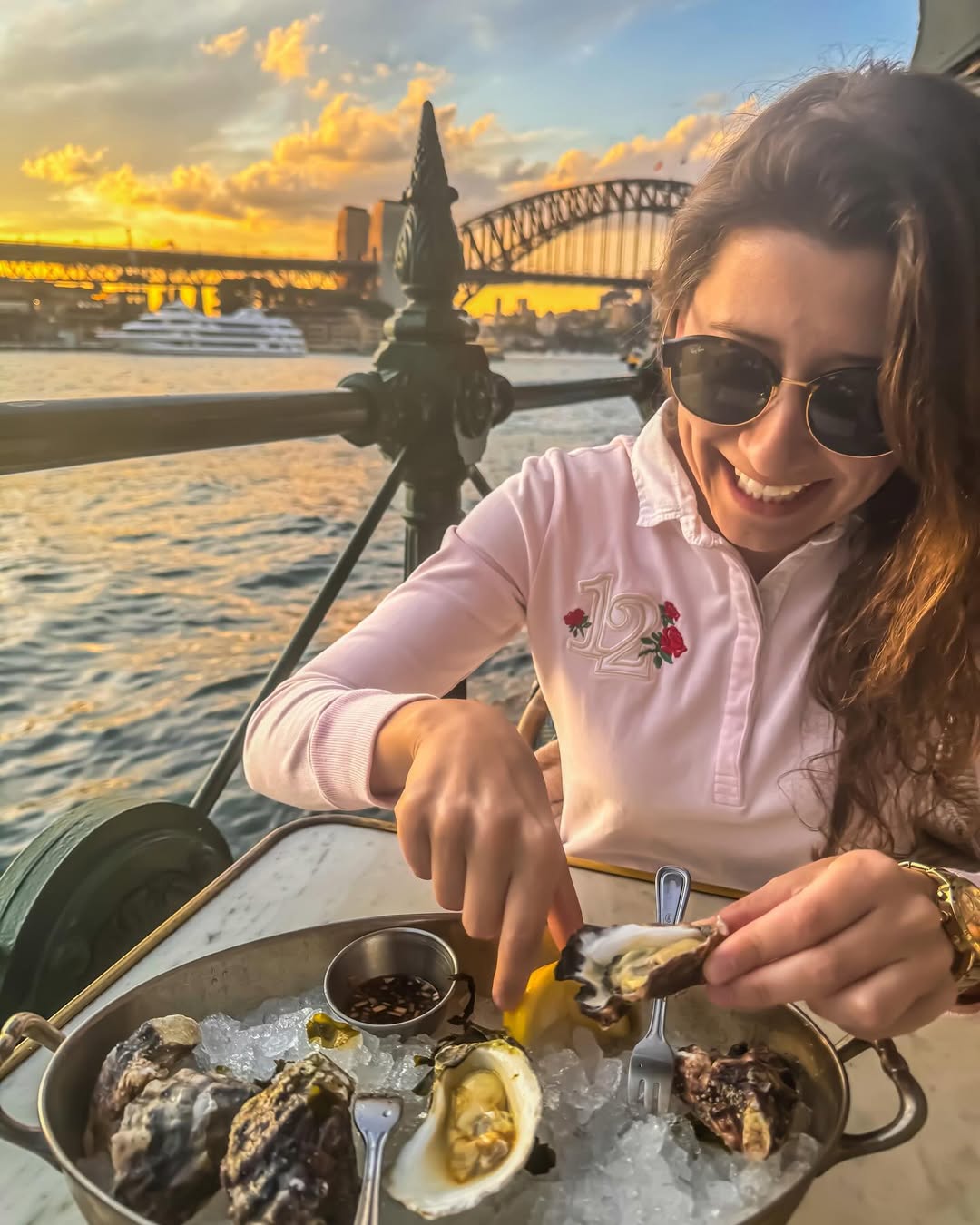
24- What’s a lesser-known or less-explored space, online or offline, to find an ideal job?
Local meetups and industry-specific events can often lead to job opportunities. Platforms like Meetup.com host in-person or virtual gatherings for professionals in various fields, from tech to creative industries.
Attending these events allows you to network directly with potential employers or colleagues, gain insights into the latest trends, and discover job openings that might not be posted online. It’s a great way to tap into the “hidden job market” and build connections that could lead to your ideal role.
25- What advice do you have for recruiters?
That’s an interesting question. In my daily job, I often connect with recruiters.
Recruiters play a crucial role in shaping the workforce in this AI-driven era. Using AI indiscriminately could lead to unintended biases and misaligned hiring decisions, ultimately shaping the wrong workforce.
I would say that recruiters should look beyond resumes and focus on skills, potential, and cultural fit rather than just past job titles. In addition, clear and well-structured job descriptions help attract the right talent, while a smooth and respectful hiring process enhances the company’s reputation.
26- In what four ways can companies improve their job ads?
By using clear and concise language, highlighting company culture and benefits, providing a clear application process that outlines what candidates can expect in terms of timelines, and showcasing opportunities for growth within the organization.
27- What career path would you recommend to “multi-passionate” people?
I believe that entrepreneurship is a route worth considering, as it provides the freedom to explore various passions and integrate them into a service or product. Creative roles are also an option, especially when considering opportunities within the corporate world.
Above all, I recommend focusing on building and expanding connections and networking. Learning how to learn is key — yes, learning how to acquire new skills efficiently. Staying up to date with trends is essential for gaining a competitive edge.
Finally, developing essential skills like communication and writing can take people much further than they might imagine. These elements form a solid foundation for navigating any career path.
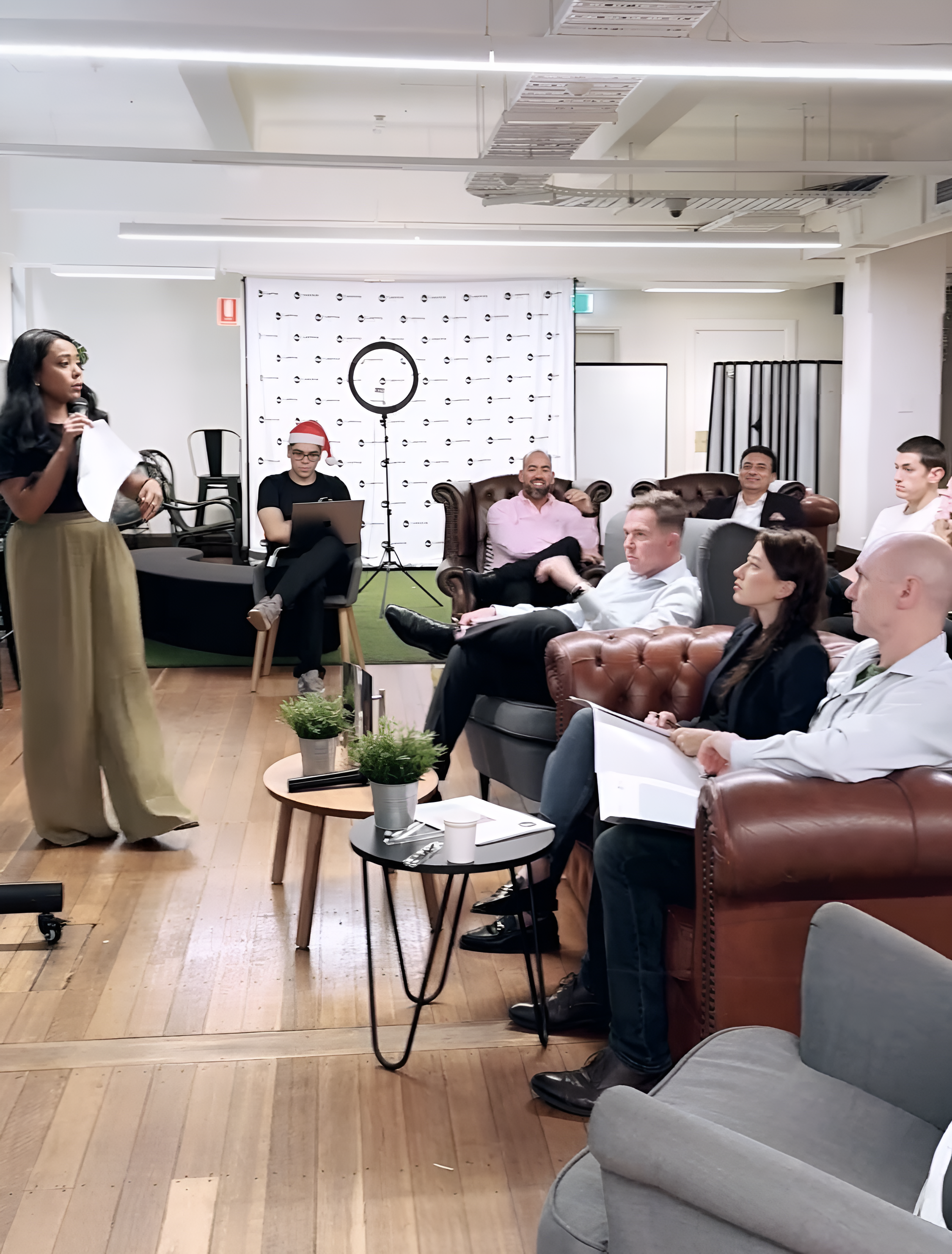
28- What are the five most important factors people should consider when choosing between an in-person, remote, or hybrid job?
People should consider work-life balance, company culture, job requirements and role flexibility, commute and location, and career growth opportunities.
29- What is the STAR interview method?
The STAR interview method is a technique used to answer behavioral interview questions in a structured way. It stands for:
- Situation – Describe the context or background of the situation you were in.
- Task – Explain the specific task or challenge you had to address.
- Action – Outline the steps you took to solve the problem or complete the task.
- Result – Share the outcome of your actions, including any measurable results or what you learned from the experience.
This method helps candidates provide clear and concise examples of how they’ve handled situations in the past, showcasing their skills and abilities.
30- What advice would you give to fellow career strategists, especially those who are new to this field?
The career consulting field is full of potential, but new professionals must have patience to build their brands. Focus on building relationships, staying updated on industry trends, and tailoring your approach to each client’s needs. Additionally, attend networking events, summits, and workshops to keep learning and expand your connections.
31- What are your thoughts on open applications?
An open application is an application you send to an employer without a specific vacancy being advertised. It can be a useful option if the candidate can truly connect with the company. Companies are always on the lookout for true talent. If the candidate can show how their skills can be unique to the company, it might be a fantastic way to get ahead of the competition and open doors for future opportunities.
32- What are the top two things to consider before leaving a job that isn’t rewarding financially, professionally, or personally?
The potential for future opportunities and your present circumstances, in this order of importance. Sometimes in life, you need to believe in the potential of the future, even if your current circumstances are not what you hoped for.
33- What three tools should we all invest in to advance our careers, regardless of our background, industry, job status, etc.?
When it comes to tools, networking platforms, skill-building resources, and time-management tools are valuable options.
That said, if I may add, principles are more important than tools because tools come and go. In terms of principles, I would emphasize a commitment to developing and upholding your personal brand, along with a dedication to continuous learning.
34- What do you think of LinkedIn’s “Open to Work” feature?
I personally would not use it. I’d rather focus on delivering value to my audience on LinkedIn by sharing posts, creating content, connecting in a meaningful way, commenting, etc. But it’s a personal decision, and I understand those who choose to use the feature.
35- What is LinkedIn’s most underutilized feature for job search?
The commenting feature – it may seem simple, but many people use LinkedIn as passive observers rather than active participants adding value. Engaging with posts through meaningful comments not only helps build your visibility but also boosts your profile ranking, increasing traction and making you more noticeable to potential employers and recruiters.
36- How have job requirements evolved since you started your career in this field?
Job requirements have become more dynamic. When I first entered the field, the focus was on specific experience and qualifications. Today, employers prioritize skills like innovation, alongside familiarity with automation and AI tools. There’s also a greater emphasis on continuous learning.
37- What’s your definition of “career resilience”?
Career resilience is the ability to adapt, bounce back, and thrive in the face of challenges, setbacks, or changes in the professional landscape.
38- What is the main difference between a CV and a resume, and how can each best serve a job seeker?
A CV is a detailed, comprehensive document often used for academic or research roles, covering education, experience, and achievements. A resume is a concise, tailored summary of skills and experience for specific job applications. A CV is best for roles requiring in-depth credentials, while a resume is ideal for most job applications.
39- What are three simple tips to make a CV or resume more visually appealing?
Use clear headings and subheadings, incorporate white space (use margins, line spacing, and padding around sections to create a clean, breathable layout), and choose a professional font.
40- What are three creative ways to showcase our uniqueness in professional online profiles?
Define your voice and writing style; I believe this helps a lot. Create posts with visuals and don’t be afraid to show your face. Infuse personality by sharing a personal story or passion project.
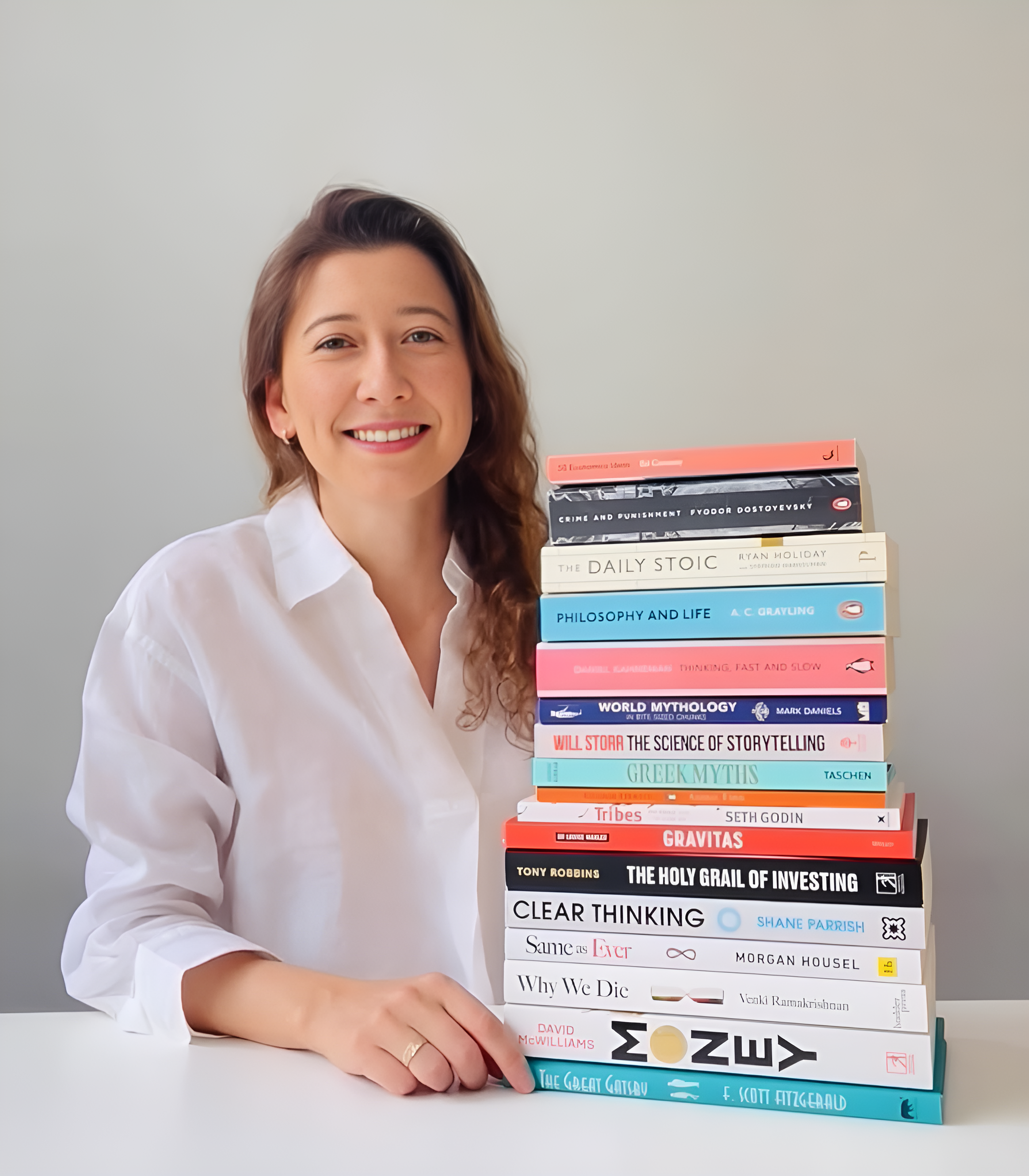
41- Self-promotion, networking, and putting oneself out there in general can be a challenge for introverts. What alternative methods can help them build meaningful professional connections and gain visibility?
Be consistent on LinkedIn by regularly sharing valuable content and engaging with others’ posts. Offer genuine help, whether through advice, support, or sharing resources. By bringing value to your network, you’ll naturally build trust and expand your professional presence, all while staying true to yourself.
42- What job board trends should job seekers be aware of?
Two important ones:
AI-Powered Matching – Many job boards now use artificial intelligence to better match candidates with relevant jobs based on skills, experience, and preferences.
Video Applications – Some job boards are incorporating video features, allowing candidates to showcase their personality and communication skills alongside traditional resumes.
43- What’s your signature advice or approach when advising clients on job interviews?
My signature approach is to focus on storytelling and strategic positioning. I guide clients to share real examples that highlight their skills and demonstrate how they can add value to the company. Instead of giving generic answers, I encourage them to structure their responses so they feel natural and convincing. I also emphasise thorough preparation, research, and the right mindset, ensuring they enter interviews feeling confident and in control.
44- What is the unwritten golden rule of writing a cover letter?
Make it about them, not you.
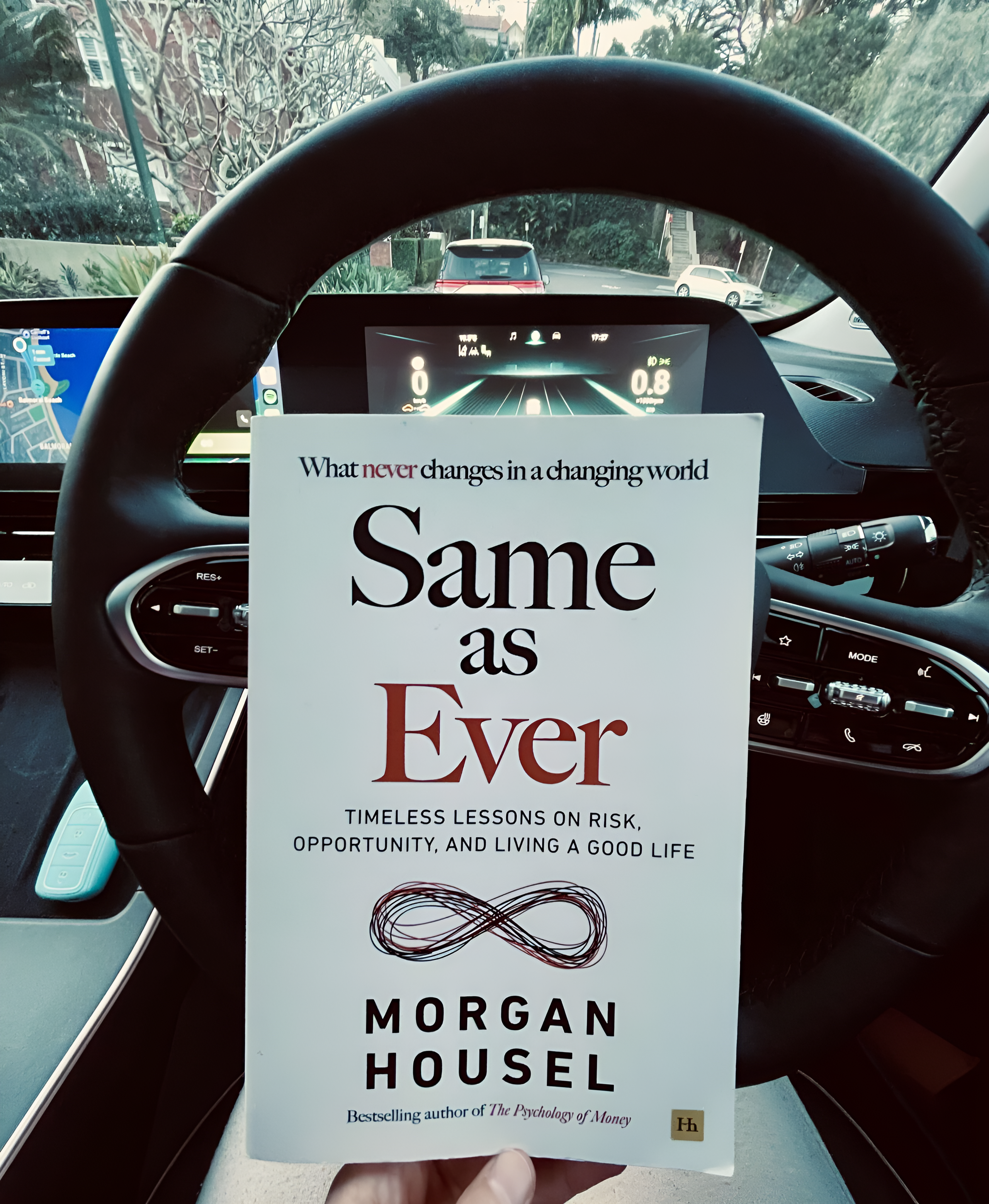
45- You’ve read the book “Same as Ever: A Guide to What Never Changes.” What do you think never changes in the job market?
Value creation wins, relationships matter, adaptability is key, soft skills endure, and resilience pays off.
46- A trend that some consider irrelevant in today’s job market, but which you believe could make a strong comeback?
Workplace mentoring programs. As employees, especially younger generations, crave development and guidance, mentoring programs could see a resurgence. These initiatives could support career growth while fostering stronger interpersonal relationships within teams.
47- If you could change one thing about the job market on a large scale, what would it be?
Equal pay transparency. Requiring companies to disclose salary ranges for positions would reduce wage inequality and allow workers to negotiate from a place of knowledge, leading to fairer pay across industries.
48- Do you have an unpopular opinion about the dynamics of the job market in general?
The “passion for your work” myth: Not every job needs to be your dream job to be fulfilling. A healthy work-life balance and steady income often outweigh the pressure to “follow your passion.”
Passion? We can have many. Purpose? We can have many too. By the way, I’m writing an article specifically about purpose. We have multiple purposes. It’s unrealistic to think there’s just one. Many people spend years searching for their purpose as if it’s only one thing.
49- What do you think of the lists of the most in-demand jobs you see online?
Lists of in-demand jobs can be useful, but they oversimplify the market. Demand varies by location and industry, and trends can be short-term.
50- What have been the most rewarding and challenging aspects of remote work for you, and how do you handle the challenging part?
The most rewarding aspect of remote work is being able to help people from around the world, as well as being able to be with my extended family, with some living in Brazil and others in Europe, while doing my job — this is extremely rewarding.
The challenge is that sometimes I believe we all miss connecting personally; the energy is different. I have such amazing clients, and I wish we could interact in person as well. To handle this, I keep in touch across different media, apart from video calls for meetings.
51- You’ve been running VS Strategy for many years. What are your tips for building a sustainable and profitable business that can withstand challenges like the pandemic?
Know who you are, how you want to make a difference, and why. These are crucial because, during times of crisis, a pandemic, or economic challenges, they are what will keep you going.
52- I’ve heard you say: “You lack deadlines, not ideas.” What three pieces of advice would you give to people, especially remote workers with flexible schedules, who find it difficult to set deadlines?
Deadlines aren’t about pressure — they’re about progress. Shift your thinking about deadlines and start using them. Also, break tasks into smaller chunks and establish a non-negotiable routine.
53- What’s one of the most memorable lessons you’ve learned from a client?
One of the most memorable lessons I’ve learned from a client is that career growth isn’t always about moving up — it’s about moving forward with intention. A client once shifted from chasing promotions to aligning his work with his values, and that mindset shift led to greater fulfillment and unexpected opportunities. It was truly amazing!
54- What do you like best about Australian work etiquette?
What I like best about Australian work etiquette is the focus on clear communication. People are direct and honest while staying friendly and respectful.
55- If someone is planning to move to Australia for work, what are the three most important things they should consider?
Visa and work rights, cost of living and salary expectations, and potential cultural differences.
56- One of your favorite quotes is: “For a long time I thought I should find some passion. Now I realize that passion is not uncovered, it is created.” How can someone create a passion?
Simply put: do the best with what you have in front of you, until you have what you want. If you are, let’s say, an administrative assistant and most of your daily tasks involve working with Word, Excel, and Outlook, learn these three tools and become the best at them.
It fascinates me how people miss opportunities by not mastering these tools. They can do wonders, and you can become the best administrative assistant with that knowledge.
That doesn’t mean that you will always be an administrative assistant if you don’t want to, but you will have built something really important in this process that will take you forward.
I once heard something that stuck with me. I don’t remember the exact words, but it was something like: Most people never stick with something long enough to become really good at it. Once you’re great at what you do, you begin to love it.
57- Which part of your book “Career & Mindset Reflections” did you enjoy writing the most? And why?
I enjoyed the whole process, honestly. It is a short read and the first volume in a series. I enjoy writing, and it’s a very enjoyable process for me.

58- You say you have always loved politics. What fascinates you so much about it?
Management, strategy, and negotiation on a large scale. It fascinates me. An election is big business, and I love to observe how candidates present themselves and market themselves. Also, the power of oratory and rhetoric on the campaign trail.
59- What personal and professional traits from your time in Brazil have positively influenced your journey in Australia?
Firstly, adaptability and resilience were key as I navigated the challenges of moving to a new country, adjusting to a different culture, and embracing diverse work environments.
In Brazil, I worked in the legal field, so I have always worked in deadline-driven and fast-paced environments. I needed to be detail-oriented, provide excellent service to clients, and also possess strong writing and research skills. These traits have all been valuable in my journey.
60- Your newsletter is called “Ask Vanessa.” What would a wiser version of you ask you in 10 years’ time, and how would you answer?
That’s a tough one. I see myself as someone on a mission — a mission to help others, continue developing myself, and expand my knowledge and experience. That requires a lot of discipline and saying “no” to many things.
So, I would ask: Was it all worth it? And the answer… the answer is yes, then as it is now. The answer lies in our everyday actions.

61- What is a question you ask yourself every day?
What actions do I need to take today to keep progressing and helping others?
62- What is something that nobody or only a few people know about you, but that you think would be interesting for others to know?
I’m not sure if it’s that interesting, but it is definitely a curiosity. When I first moved to Australia, the first book I picked up — and I don’t know why either — was a book about songwriting techniques. I read that book and started trying to write songs!

63- What’s one personal value that extensive traveling has added to your life?
There are many, but openness is one I think stands out. Traveling encourages you to be open to new ideas, experiences, and ways of thinking, enriching your personal growth. Another value I find important is creativity. Being creative in my line of work is crucial, and traveling has provided me with great insights.
64- “My coffee cup from Amalfi means more to me than just a cup. It’s a symbol of the infinite possibilities that life holds,” you wrote in an Instagram post. What new, exciting possibilities are you looking for in life?
I want to keep integrating my life and work. For me, reading is a hobby, but it’s also part of my job; writing is enjoyable, but it’s also work. I travel to see my extended family but also gather insights and create new content for my readers through the newsletter. I want to continue blending different areas of my life and acquiring new, useful skills. It’s very important to me, and I hope I can help others do the same.

67- How would you describe Vanessa Sebben in one word, phrase, or sentence?
A person on a mission.
68- Do you believe in “legacy”? If so, what kind of legacy do you want to leave? If not, what keeps you motivated?
I do believe in legacy. For me, it’s about creating an impact that lasts beyond my own lifetime.
I have been influenced and empowered by many people, individuals who didn’t live in my lifetime, through books, for example. These people were tremendously important to me. I want to do my part and contribute in any way I can to help others, just as I was helped.
69- Is there a question you wish had been asked during this interview that wasn’t?
I think we’ve covered it all, and I want to take this opportunity to thank you. I was really impressed with the research you’ve done about me and for your kind words in the introduction.
70- Any final thoughts, Vanessa?
Building on the answer above, this was a phenomenal project. I was able to reflect on my journey, revisit client cases, and explore many other important topics. It was a great experience, and I really appreciate the process.
I hope we can keep in touch, Elham. For anyone who wants to stay connected, I am on all the major social media platforms. Hope to connect with you all.

Featured image [cropped]: Vanessa Sebben, founder and career strategist at consulting firm VS Strategy (Photo source: Vanessa Sebben/Instagram)

 Portugal Startup News