
As a Lisbon-based journalist who champions the innovative spirit of Portuguese startups, I’ve had the pleasure of writing and publishing stories about many inspiring ventures over the past five years. Yet one recurring challenge often slows down the very promotion we all desire: the absence of a readily available media kit.
Just recently, after publishing several new pieces, I found myself in a familiar situation – reaching out to confirm the copyright status of images taken directly from startups’ websites. The delay in receiving a response, while understandable, often holds up the full promotion of the story – a missed opportunity for everyone involved.
As the entrepreneurship space becomes increasingly competitive, a well-crafted media kit isn’t just a nice-to-have. It’s a fundamental asset for any startup serious about growth, visibility, and brand protection. For Portuguese startups, especially those with global ambitions, adopting this essential tool is no longer optional.
Why a media kit is non-negotiable
Let’s explore the multifaceted reasons why a comprehensive media kit is an absolute necessity:
Copyright clarity and brand protection
A media kit clearly outlines usage rights for logos, images, and brand assets, helping prevent copyright infringement and ensuring your intellectual property is properly represented.
Significant time savings
With all essential materials in one place, your team reduces repetitive media inquiries, and journalists don’t waste time digging for details. This efficiency significantly increases the likelihood of media coverage.
Professionalism and credibility
A polished media kit signals that you’re serious about your brand and truly media-ready. It cultivates trust with journalists, potential investors, and partners, strengthening crucial relationships.
Consistent brand messaging
By providing pre-approved messaging and visuals, a media kit ensures your story is told accurately and consistently across all coverage, safeguarding your brand narrative.
Readiness for investors and partnerships
Beyond media relations, a media kit serves as a powerful, concise introduction to your business for potential investors and strategic collaborators, helping them quickly grasp your mission, traction, values, and other important key information.
Up-to-date information at a glance
A dynamic media kit keeps stakeholders informed of your latest milestones, funding rounds, product launches, and team changes, eliminating the risk of outdated or inconsistent messaging.
Quality assurance in visuals and messaging
By offering high-resolution images, approved logos, and well-written bios, you control the quality of your public presence, reinforcing a strong and consistent brand image.
Facilitated global and multilingual outreach
If you operate internationally, including translated versions of your media kit or language-agnostic assets – like icons and visuals – significantly expands your media reach and mitigates misinterpretation across diverse markets.
Media kit vs. brand kit
While often used interchangeably, it’s important to understand the subtle differences between a brand kit and a media kit:
Brand kit: A brand kit, also known as a brand style guide, is an internal document primarily for a team and collaborators. It details the comprehensive rules for a brand’s identity, including logo usage, color palettes, typography, tone of voice, imagery style, and overall visual and verbal guidelines. It’s about maintaining internal brand consistency.
Media kit: A media kit, on the other hand, is an external-facing document designed specifically for journalists, influencers, partners, and event organizers. It contains curated information and assets most relevant for them to write about, promote, or partner with a startup.
Who benefits from a solid media kit?
The beneficiaries of a well-structured media kit extend far beyond just media outlets:
- Journalists and bloggers: As discussed, they gain immediate access to accurate information and high-quality assets, simplifying their work.
- Investors: A comprehensive media kit showcases professionalism and preparedness, instilling confidence in potential investors.
- Potential partners and collaborators: It provides a clear overview of a startup’s mission, values, and achievements, facilitating potential collaborations.
- Event organizers: They can easily access speaker bios, headshots, and company descriptions for event materials.
- A startup’s own team: It serves as a centralized repository for key information, ensuring everyone is on the same page when communicating externally.
The power of a media kit: Statistics and impact
A well-utilized media kit can significantly boost media visibility. While direct statistics linking media kits to increased coverage are hard to isolate, the underlying principles are well-documented.
Recent industry research shows that 87% of journalists use multimedia assets such as images, videos, and data visualizations when they’re included in pitches and press materials. This underscores the importance of supplying rich, visual content – exactly what a comprehensive media kit is designed to deliver.
Additional findings reveal a gap between media expectations and PR practices. While 78% of journalists prefer to receive full press kits, only 37% of communications professionals include them consistently in their outreach efforts. For brands, this presents a clear opportunity to stand out: by packaging their story in a well-organized, accessible format, they increase the likelihood of coverage and reduce friction for journalists on deadline.
What to include in a digital media kit
A comprehensive digital media kit should ideally include:
- Company overview: A concise yet compelling summary of the startup, its mission, vision, and values.
- Executive bios and headshots: Professional bios and high-resolution headshots of key leadership.
- Press releases: A repository of official press releases.
- Logos and brand assets: High-resolution logos (in various formats like PNG, SVG, JPEG) and brand guidelines for proper usage.
- High-quality images and videos: A selection of professional, copyright-cleared images (product shots, team photos, office space, event photos) and any relevant video content. Include short, informative captions for images and brief descriptions for videos where helpful.
- Fact sheet and key milestones: Important statistics, achievements, funding rounds, and significant milestones.
- Awards and recognitions: Any accolades or industry recognition.
- Case studies or testimonials: Evidence of a product’s or service’s impact.
- Contact information: Clear contact details for media inquiries.
- Social media links: Links to official social media profiles.
For Portuguese startups, it is highly advisable to have a media kit available in both English and Portuguese. This caters to both local and international media, significantly expanding reach and impact.
Easier than ever: Tools and templates
The good news is creating a professional media kit has never been easier, thanks to a wide range of online tools and templates. You don’t need a huge budget or a dedicated design team to get started.
Here are some top platforms and resources to help you create and share your media kit:
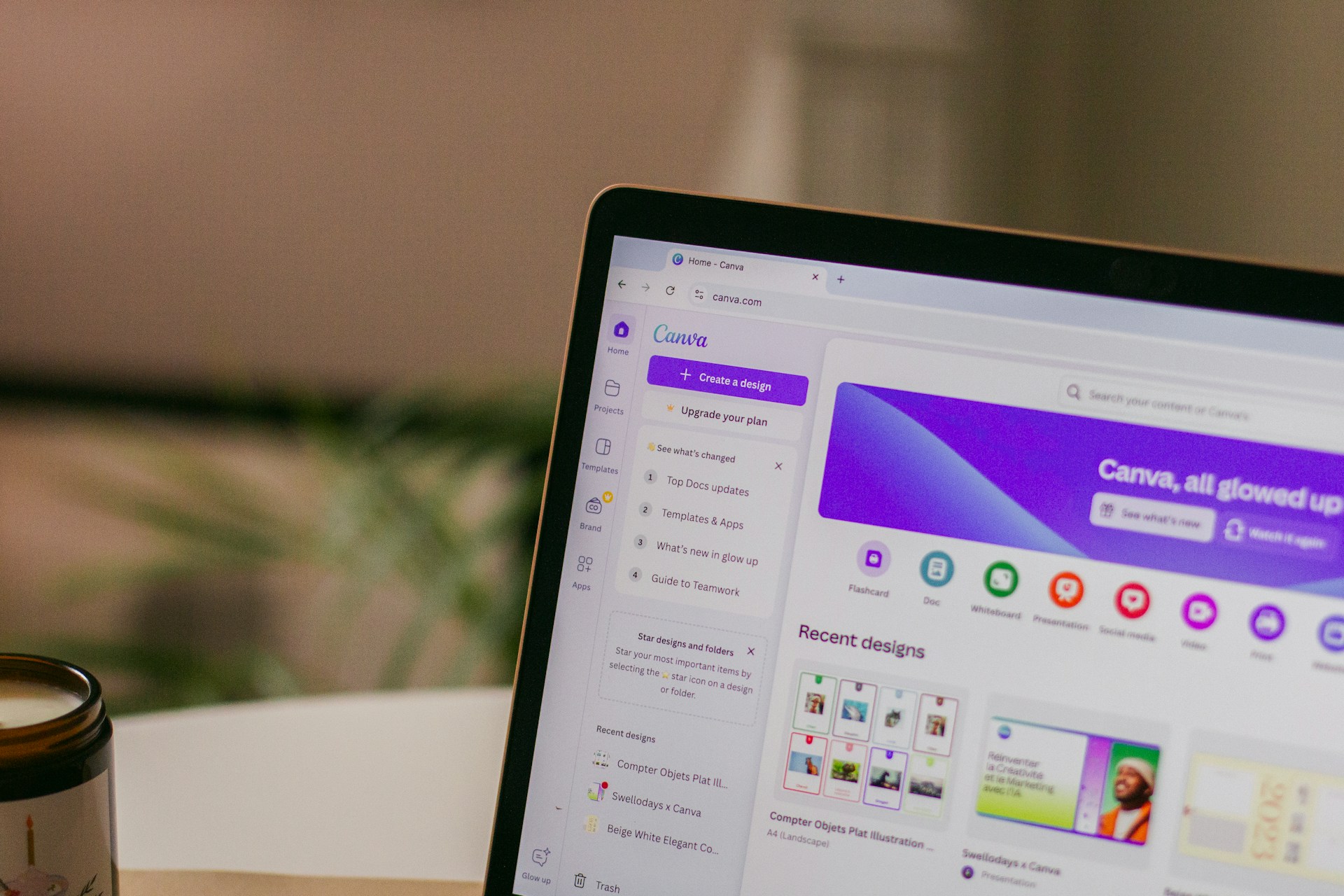
- Canva: An intuitive platform offering drag-and-drop templates perfect for startups and small businesses. It’s incredibly easy to customize with your brand assets.
- Notion: Excellent for building live, digital press kits with easily shareable links, making it perfect for fast-paced tech environments.
- Visme: This tool allows you to create interactive media kits complete with embedded videos, charts, and clickable links for an engaging experience.
- Adobe Express: Formerly Adobe Spark, this is a powerful option for designing sleek, branded media kits without requiring professional design skills.
When it comes to sharing your media kit, the most professional approach is to host it directly on your website – ideally under a /press or /media page. This gives journalists and partners a central, brand-aligned location where they can always find the most up-to-date assets.
That said, a shareable folder via Google Drive works just as well – especially during early-stage launches or for fast-moving campaigns. Just make sure the folder is well-organized, clearly labeled, and accessible without permission requests.
The time to act is now
Home to over 4,700 startups and generating €2.6 billion in turnover, Portuguese startups are a vital part of the global innovation ecosystem. By leveraging the simple yet powerful tool of a media kit, you can not only streamline communication with the media but also enhance your brand’s visibility, safeguard intellectual property, and open doors to exceptional growth opportunities.
As someone who’s seen both the missed opportunities and the media magic that a good press kit can unlock, I can tell you this: whether you’re just gaining traction or scaling globally, a well-crafted media kit can be a game-changer. It’s a small step that helps the world tell your story – clearly, consistently, and compellingly.
Featured image: By Karolina Grabowska on Pexels



 Portugal Startup News