
Applications are now open for Portuguese startups to take part in the UN Tourism Safe Destinations Challenge, a European-wide innovation call aimed at strengthening crisis preparedness, response, and recovery in the tourism sector.
The challenge is part of the Safety of Destinations (SAFE-D) initiative, which focuses on safeguarding both tourism destinations and the people who live in and visit them.
The European tourism sector, a major economic contributor and employer, faces growing vulnerabilities due to escalating crises such as climate events, geopolitical instability, and infrastructure failures.
UN Tourism highlights recent incidents including floods in Spain, wildfires in Greece, and security threats in Austria, which have underscored the need for enhanced crisis management and resilience strategies. These challenges have prompted the launch of the SAFE-D Europe Initiative in early 2025, led by UN Tourism in partnership with member states.
Beyond these challenges, recent failures in critical infrastructure have further exposed the vulnerabilities of the tourism sector. In April 2025, a widespread power outage across parts of Southern Europe – including Spain and Portugal – caused significant service disruptions and led to substantial economic losses.
This incident not only impacted local economies but also raised serious concerns about the resilience of essential services supporting tourism, such as hospitality and transportation.
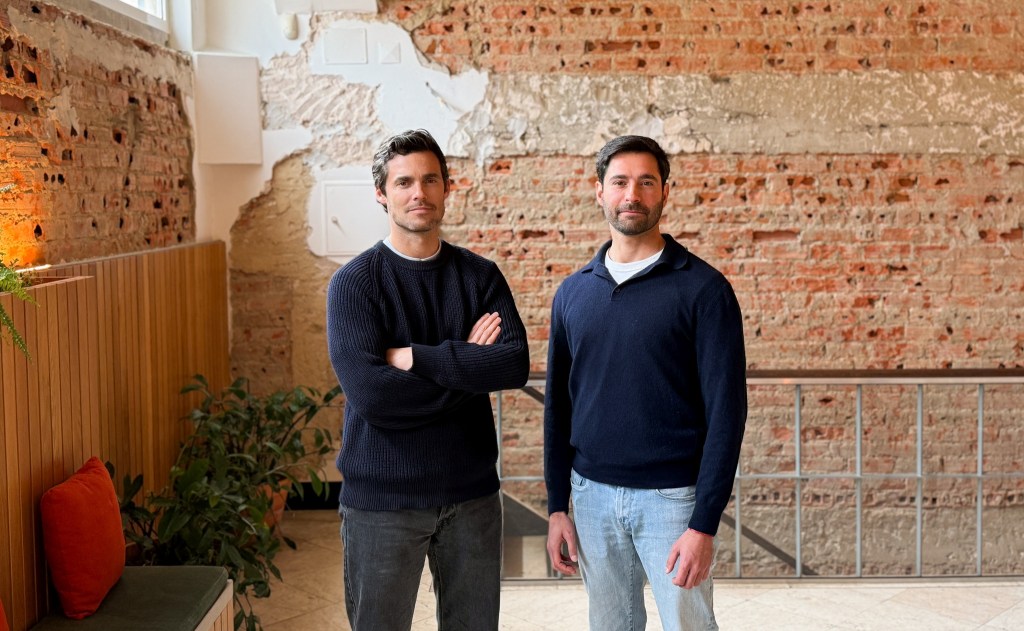
Sergio Guerreiro, senior director for strategy and knowledge management at Turismo de Portugal, at Turismo de Portugal, encouraged Portuguese startups to seize this opportunity and contribute to the broader effort of enhancing tourism resilience in Europe.
“The UN Tourism Safe Destinations Challenge is a global stage for startups and innovators to show how tech can make travel safer, smarter, and more resilient. This is the kind of opportunity that puts ecosystems like ours on the map,” he said.
The challenge responds to the urgent need for innovation as Europe has faced over 1,700 climate, weather, fire, and water-related hazards over the past 50 years. These events have caused more than 160,000 deaths and economic damages exceeding half a trillion U.S. dollars, highlighting the critical importance of enhancing tourism crisis resilience.
The initiative invites startups, entrepreneurs, MSMEs, and public-sector stakeholders from UN Tourism member states in Europe to submit solutions that leverage emerging technologies.
Proposed projects should focus on areas such as climate resilience, hazard response, cybersecurity, and tourist safety, aligned with green and digital transitions. Solutions can range from AI-powered early warning systems and smart evacuation platforms to cybersecurity tools protecting traveler data and crisis communication networks.
Participants will compete across three main categories: resilience to natural, climate, and health-related hazards; safety, security, and cyber threats; and crisis communication and post-incident response. The challenge aims to support innovations that are scalable and adaptable, especially for destinations that are seasonal, remote, or highly dependent on tourism.
Applications will be accepted until October 31, 2025. After evaluation in November, shortlisted participants will pitch their solutions at a winter 2025-2026 event hosted by UN Tourism.
Selected startups will benefit from mentorships provided by UN Tourism partners, global visibility through official media promotion, tailored project support, and opportunities to pilot or scale solutions with partner destinations and UN Tourism projects.
Additionally, winners will become members of the UN Tourism Innovation Network and may access scholarship opportunities at the UN Tourism Online Academy.
Portuguese startups with innovative and sustainable business models that promote digital transformation and community involvement can apply through the official UN Tourism challenge page.
Featured image: Sergio Guerreiro, senior director for strategy and knowledge management at Turismo de Portugal (Photo source: Sergio Guerreiro/LinkedIn)



 Portugal Startup News