
The most vivid memory I have of the ocean’s incredible potential is when the co-founders of Umaro pitched their innovative, 100% plant-based bacon on Shark Tank. Made from red seaweed protein, the product was part of a broader vision to make seaweed the world’s future protein source and build a more sustainable food system.
“Seaweed can produce five times more protein per acre than soy,” they say – a statement backed by research and, admittedly, something I had no idea about.
I was once again reminded of the wonders of the ocean in an even more critical context when I heard about Sea4Us, a biotechnology company based in Portugal that specializes in the research and development of marine-derived pharmaceutical products.
The inspiration behind the company comes from the vast marine biodiversity of the Atlantic Ocean off the coast of Sagres, in the Algarve region of southern Portugal. It also draws from an old saying attributed to fishermen from southwestern Portugal: “Ailments and wounds acquired on land are cured in the sea.”
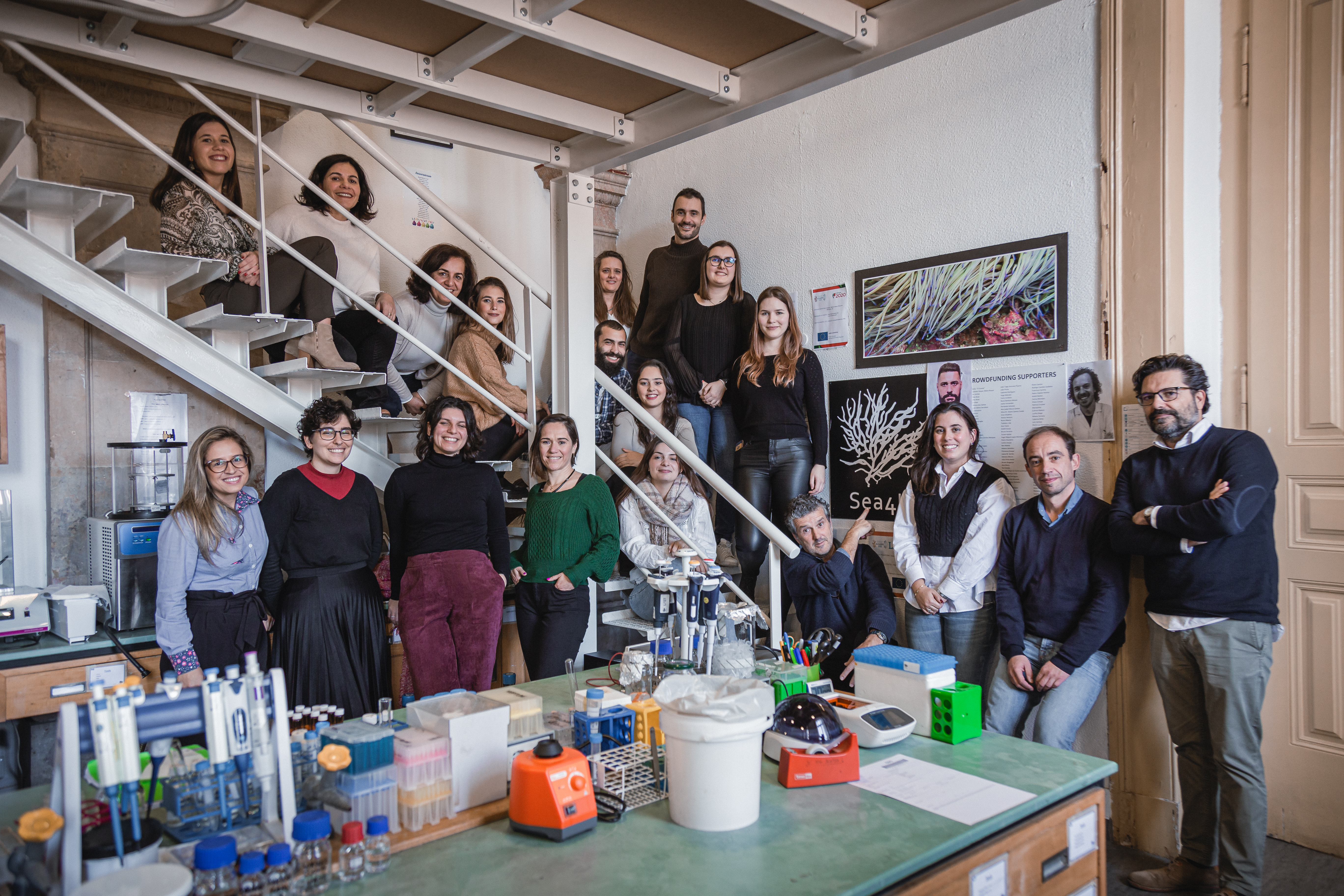
Launched in 2013 by seven co-founders as a spinoff from NOVA University of Lisbon, Sea4Us is working to bring novel marine compounds “from the bottom of the sea to the benchtop” to address unmet clinical needs.
Marine products in drug discovery
Curious to know why marine products are attractive for drug discovery, I researched and found fascinating insights.
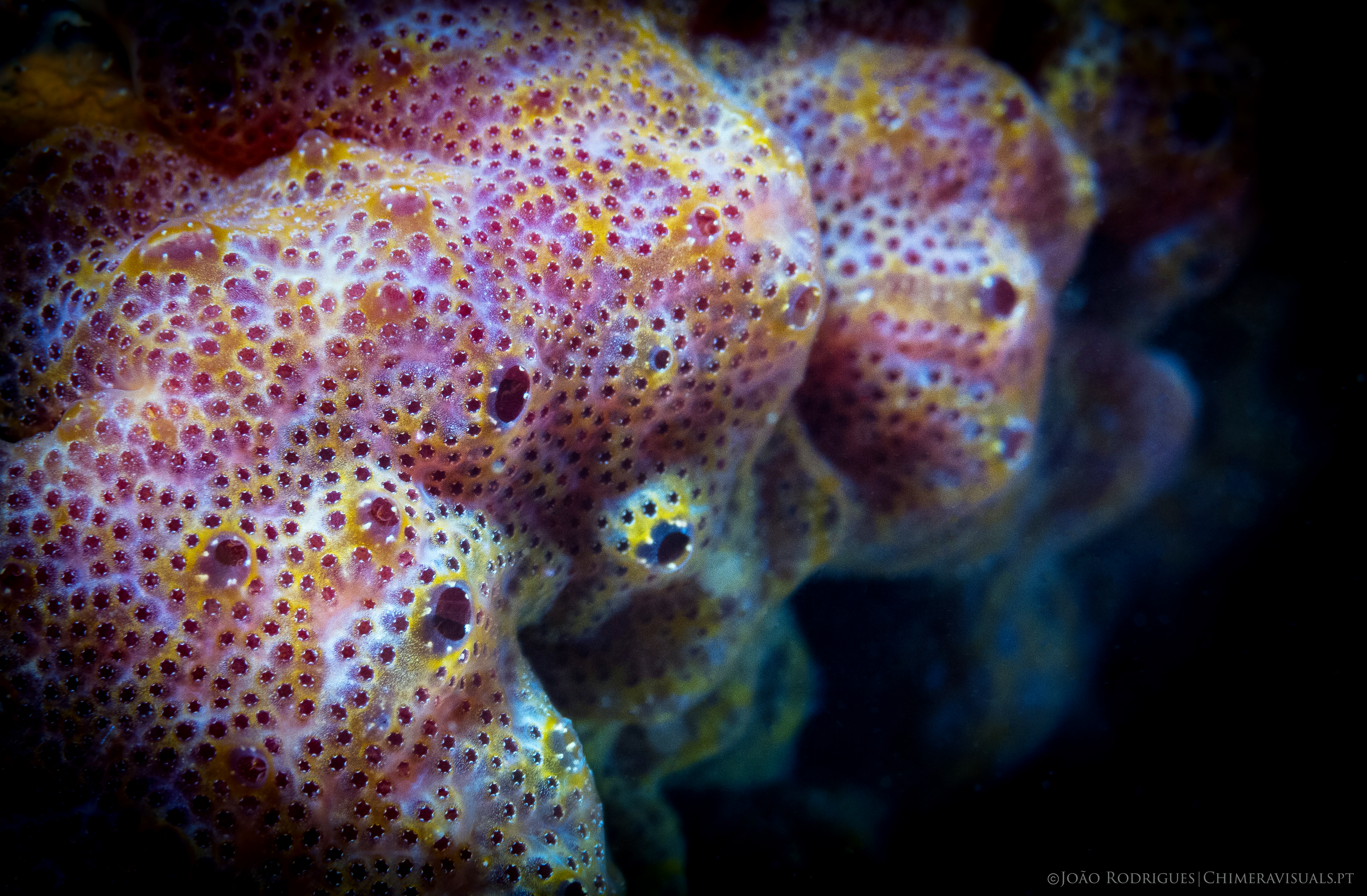
First of all, biodiversity in the ocean – the Earth’s largest habitat, covering over 70% of the planet’s surface – is even greater than on land. This means it is home to a wide variety of organisms, such as sea sponges, that produce unique bioactive compounds – substances that affect living cells, tissues, and organisms.
“Many of these molecules have evolved as defense mechanisms against predators, competitors, or pathogens, resulting in potent biological activities,” according to research.
Despite this huge potential, limited research has been done into the medicinal properties of marine organisms.
That’s the gap Sea4Us is bridging. Their primary goal is to develop new chemical entities from marine organisms that can advance to clinical trials. And the conditions without adequate treatment that they’re referring to are those with “ion channels as therapeutic targets.”
Understanding ion channels as therapeutic targets
But what does that actually mean? Let’s break it down in simple terms for those who may not be familiar with these concepts.
Ion channels are tiny gateways in our cells that control how ions – like sodium, potassium, or calcium – flow in and out. These ion flows are essential for countless processes in the body, including how nerves send signals, how muscles contract, and how the heart beats.
When these channels don’t function properly, it can lead to serious health issues. That’s why they’re considered valuable “therapeutic targets.”
Wondering what a therapeutic target is? It’s a specific part of the body’s biology – such as a protein, gene, or signaling pathway – that plays a key role in a disease and that scientists can design drugs to act on in order to improve the condition.
Sea4Us’ drug discovery platform and focus
The Sea4Us drug discovery platform is built to find exactly these types of drug candidates, known as modulators, that can adjust ion channel activity.
This approach is especially promising for chronic pain, epilepsy, diabetes, cardiac arrhythmia, hypertension, and skin diseases, among others, where current treatments are often ineffective or come with significant side effects.
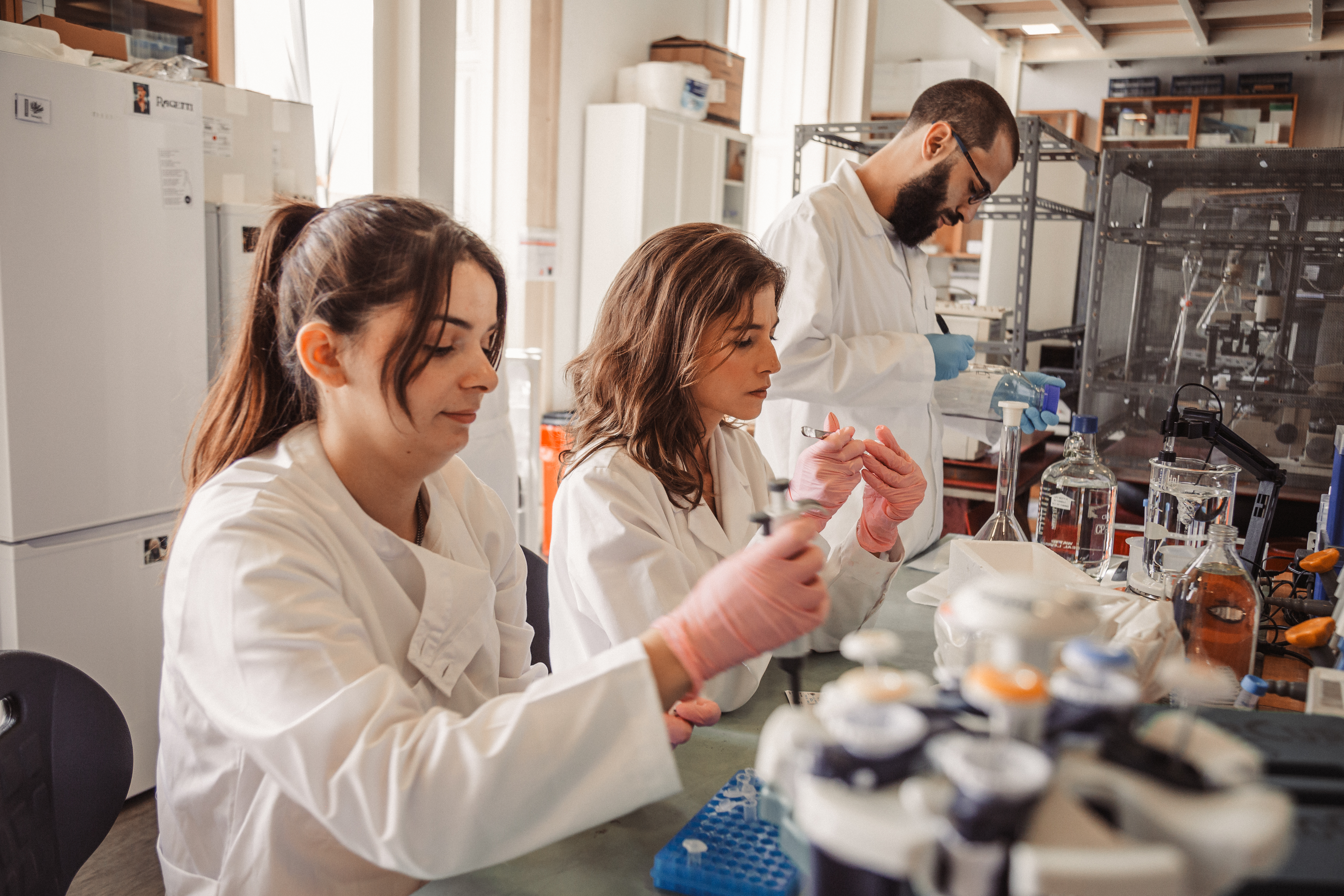
Their solutions are at different stages of development, but their primary focus right now is on their flagship product, Sea4Pain – a drug targeting chronic pain that affects a significant portion of the population.
Chronic pain: A global challenge
Let’s take a look at what chronic pain is, how widespread it is, and what its implications are for individuals and society as a whole.
If someone has persistent or recurring pain for more than three months, they are considered to have chronic pain. Chronic pain often results from an injury, surgery, or illness. However, it is regarded as a condition in its own right, rather than just an accompanying symptom. Various factors, including those of a biological, psychological, and social nature, contribute to this type of pain.
An estimated 100 million people in Europe and 1.6 billion worldwide suffer from chronic pain, which has been linked to depression, a higher suicide rate, Alzheimer’s disease and related dementias, as well as substance use and misuse.
Moreover, chronic pain takes a significant toll on an individual’s family and social relationships, and – due to its impact on absenteeism, reduced productivity, and a higher likelihood of leaving the workforce – it costs Europe alone about €500 billion a year.
Sea4Pain’s preclinical success and applications
There are medications available for the treatment of chronic pain, but many are either ineffective for certain types of pain or, in the case of opioid drugs, have significant side effects, including the risk of addiction and dependence.
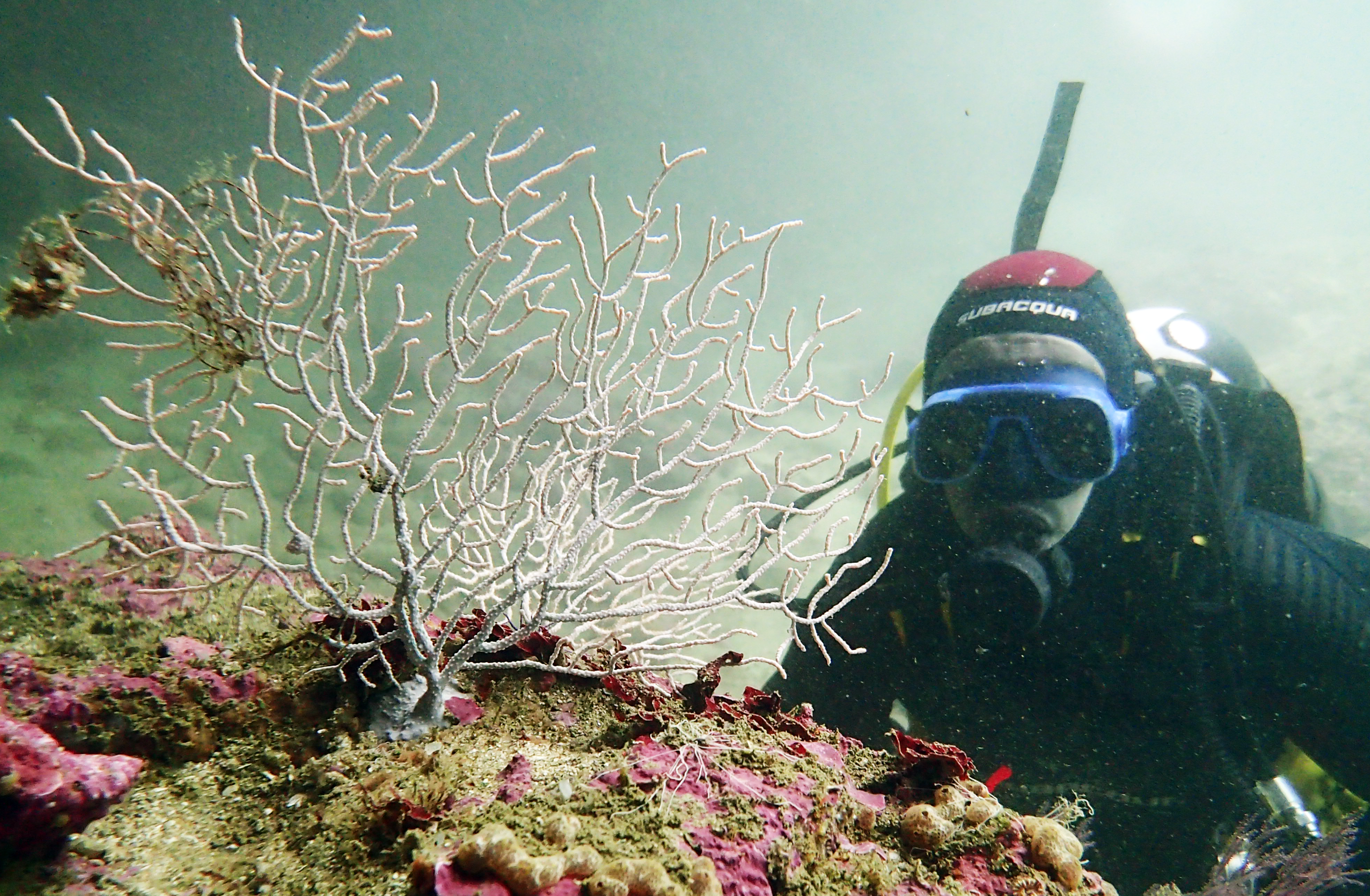
That’s why Sea4Pain – a first-in-class, non-opioid, non-addictive drug derived from a marine sponge found off the coast of Sagres – could be a game-changer for billions of people suffering from chronic pain.
In preclinical studies, it has been shown to provide pain relief equivalent to morphine, a strong opioid, without causing numbness or non-specific side effects, such as fatigue, dizziness, nausea, dry mouth, drowsiness, or gastrointestinal discomfort.
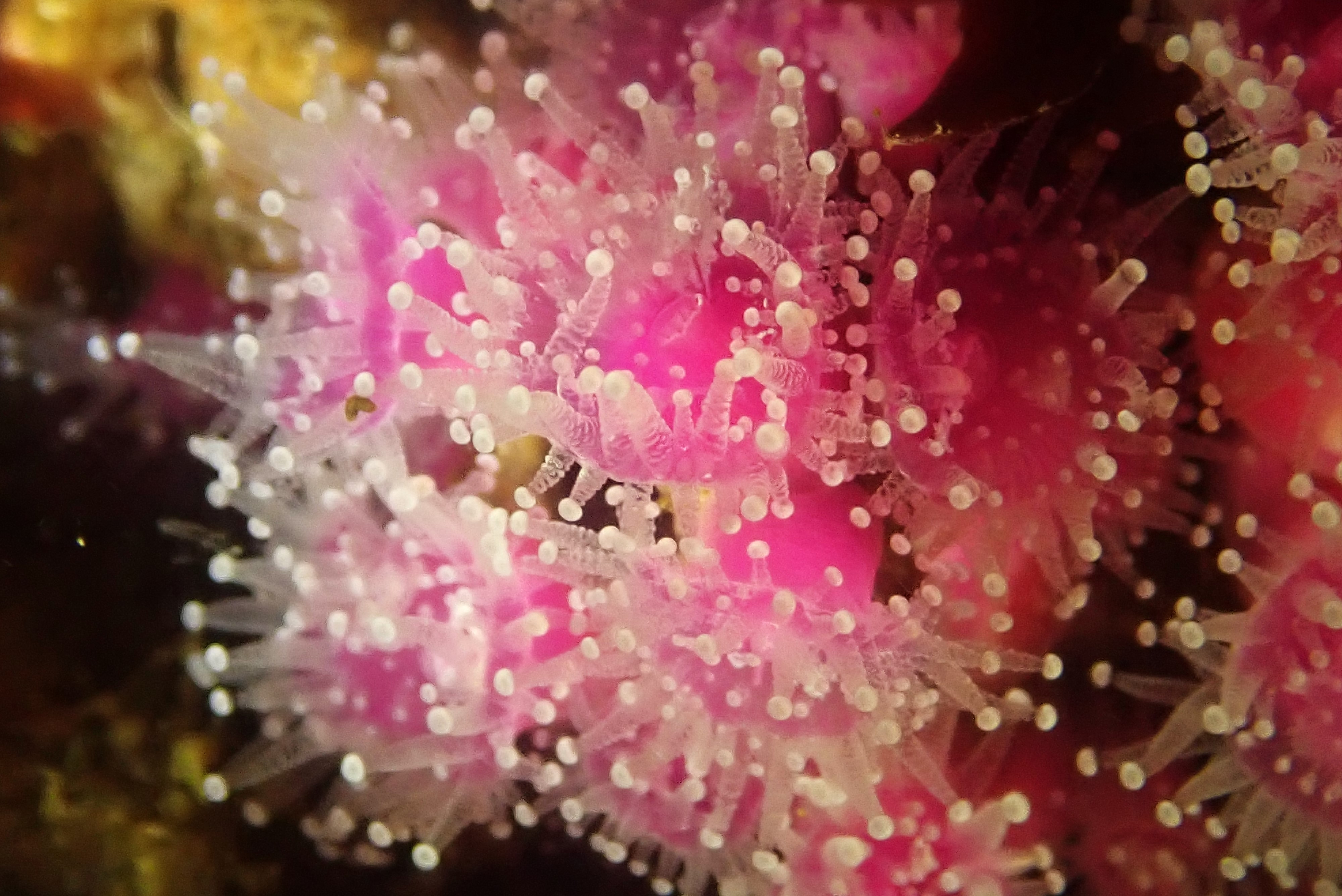
So far, it has shown promising results in the treatment of pain after surgery or injury, pain from joint inflammation (like arthritis), nerve pain caused by diabetes, nerve pain from chemotherapy, facial pain linked to nerve issues, and internal pain related to digestive problems like irritable bowel syndrome or inflammation of the colon.
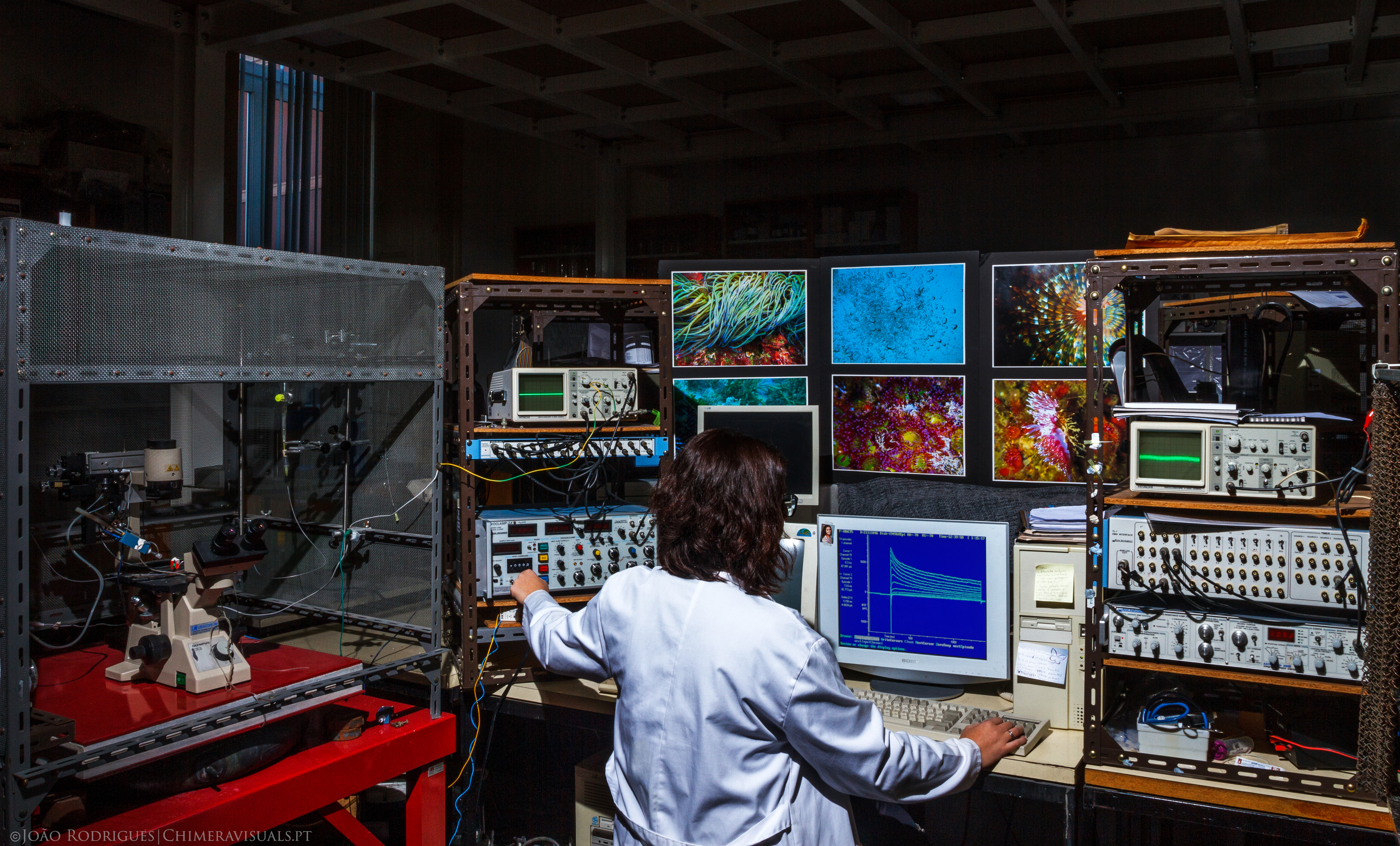
Sea4Us plans to make its EU-funded Sea4Pain available for further clinical development through a commercial agreement, licensing its intellectual property (IP), which is based on its core expertise in marine biology and electrophysiology – the study of how electrical signals function in the body, particularly in nerve cells.
Economic and regional impact of Sea4Us
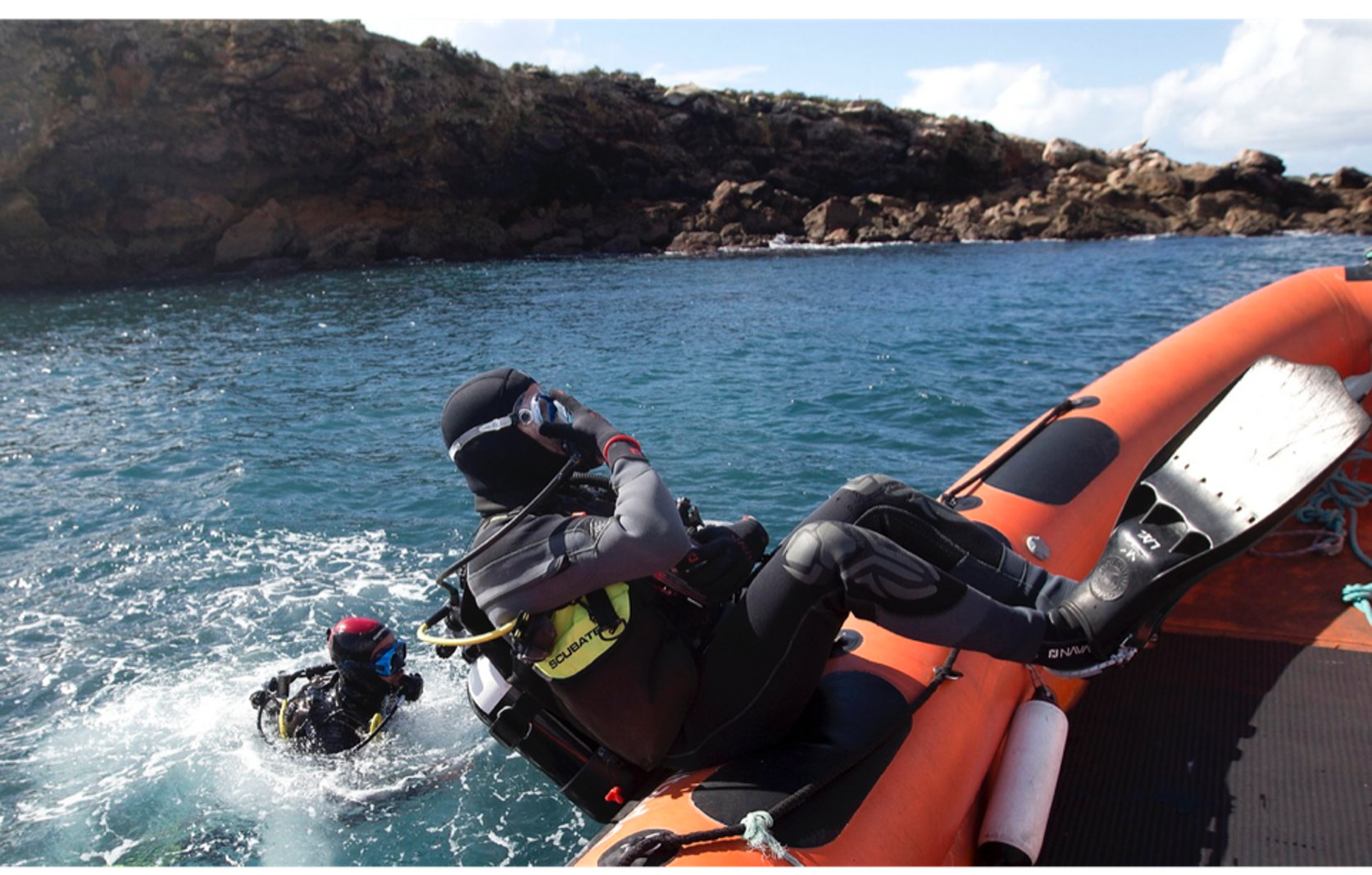
The mission of Sea4Us goes beyond chronic pain relief, as their work brings other direct and indirect benefits, particularly for the Algarve. While preclinical development takes place in Lisbon, Sagres is their main site for the collection of marine samples.
Their impact, therefore, also includes the creation of highly skilled jobs in the Algarve, the promotion of sustainable marine research, and meaningful contributions to the local economy.
What I personally love about Sea4Us is their commitment to ethical, transparent, and sustainable values. They’re a voluntary signatory to the UN Global Compact and the Transparency Agreement on Animal Research in Portugal – both of which reflect those principles.
Invest in Sea4Pain: Sea4Us fundraising open to the public on Goparity
If the work of Sea4Us resonates with you and you’d like to partner with them or invest in their Sea4Pain project, they welcome support not only from official investors but also from the public.
In fact, they have launched a campaign on Goparity to raise funds to advance the payment of public incentive grants awarded to the company and to ensure that Sea4Pain is developed at an accelerated pace, aiming to reach clinical trials in 2026.
With this campaign open to the public, Sea4Us plans to scale its IP, operations, and licensing readiness – fast-tracking its path to commercialization in 2027 and boosting the company’s value.
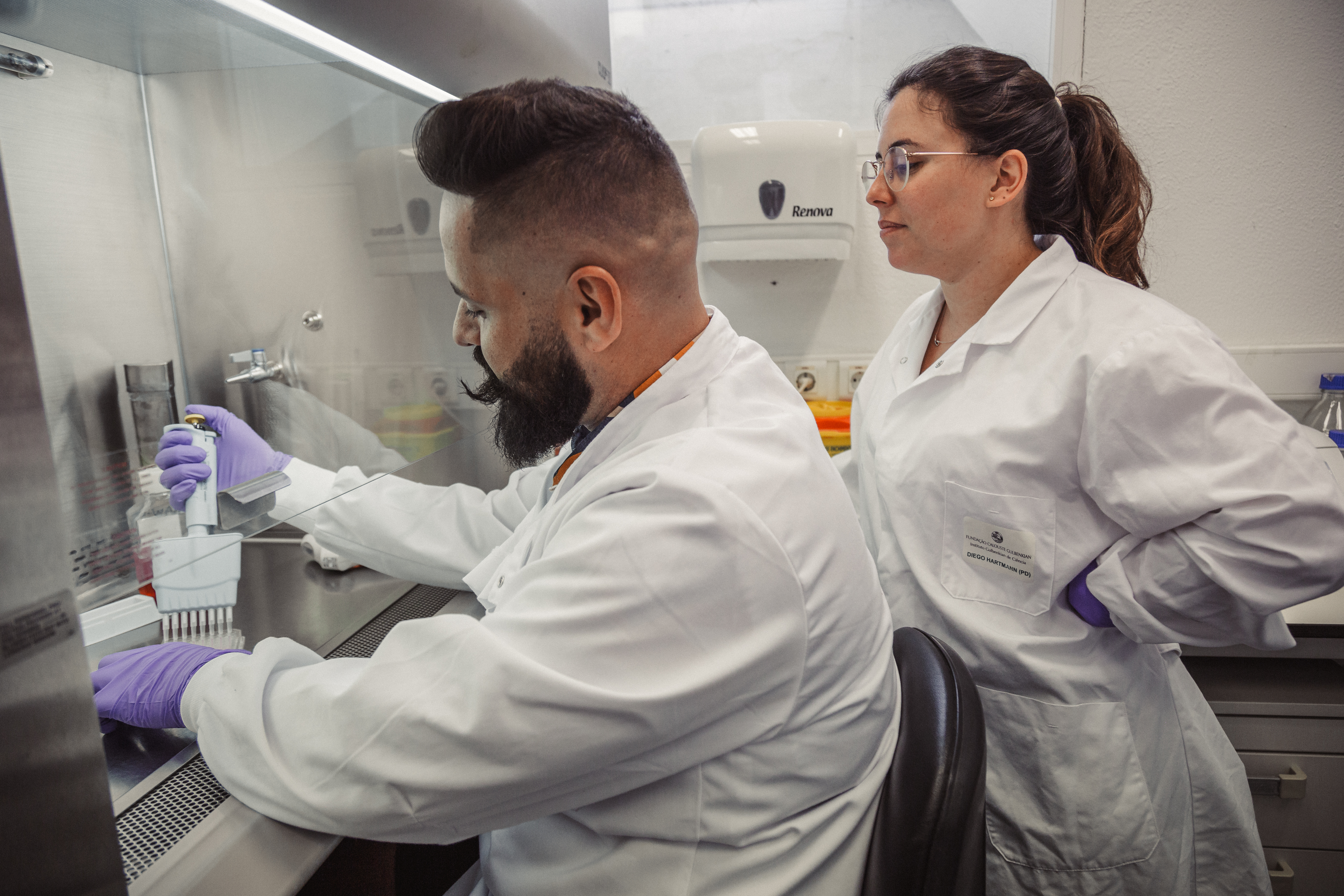
Their Goparity raise has a minimum target of €800,000 and a maximum of €1,200,000, and may close at any amount within that range.
With the funds raised through their first campaign on the platform – 100% funded by 2,841 investors who contributed €800,000 – Sea4Us was able to scale Sea4Pain to industrial production certified for regulated toxicology and safety testing, demonstrate its safety even at high doses, and move forward with securing additional IP protection.
For partnership inquiries, contact the company, or visit their Goparity campaign page to invest in their vision of creating “a future without pain” while supporting innovation and entrepreneurship in biotechnology, sustainable development, marine ecosystem preservation, and the scientific and economic growth of the Algarve and Portugal.
Disclaimer: This article is for informational purposes only and does not constitute financial advice, investment advice, or an endorsement of the campaign. Readers should conduct their own research before making any financial commitments.
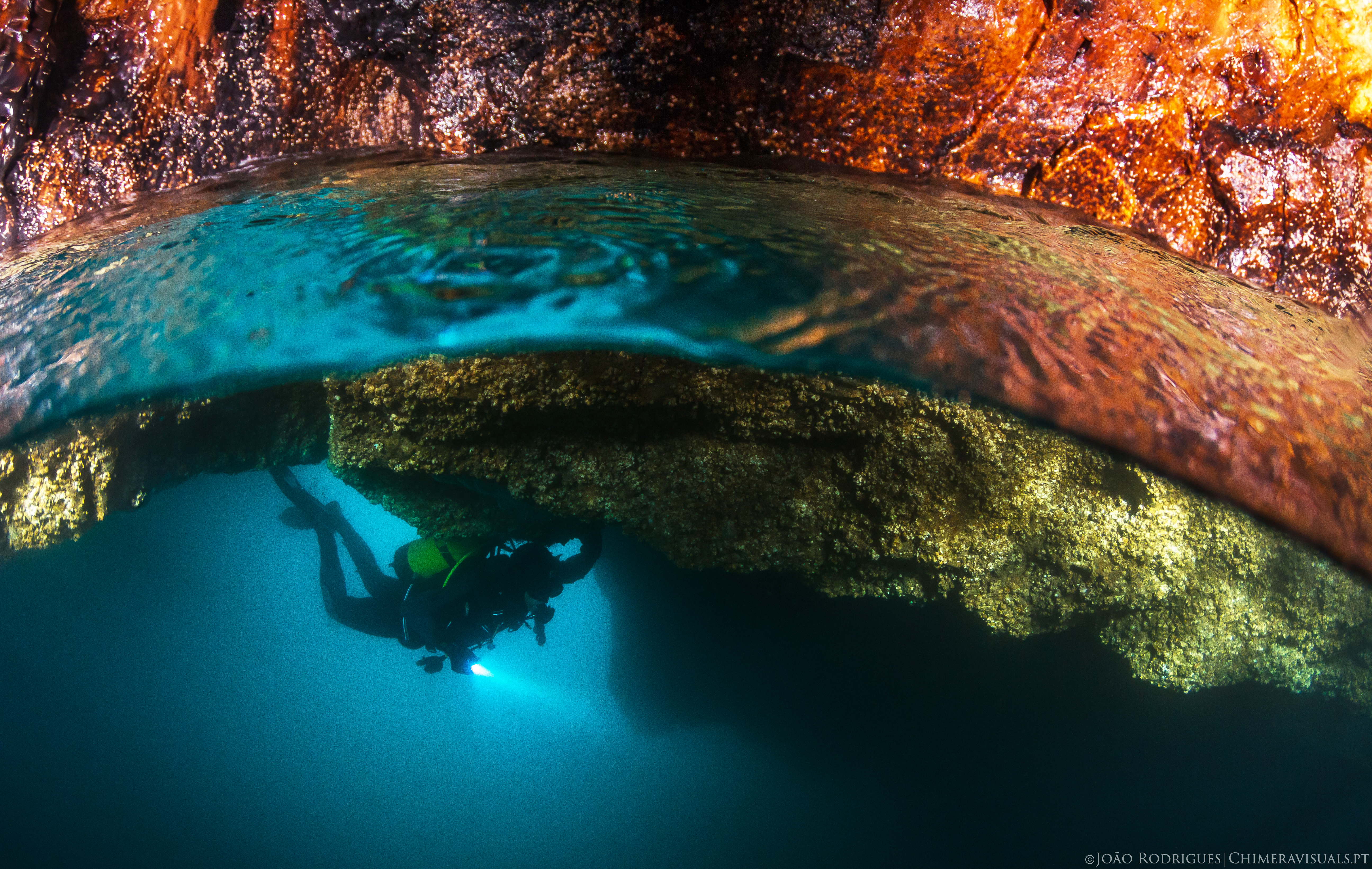
Featured image: Courtesy of Sea4Us


 Portugal Startup News