
Virtuleap, a Lisbon-based brain health VR startup, has expanded its award-winning library of games designed to test and train cognitive skills through short daily sessions for users aged 13 and above.
The two new games, Drummer and Scoopful, are currently in beta and target distinct cognitive domains.
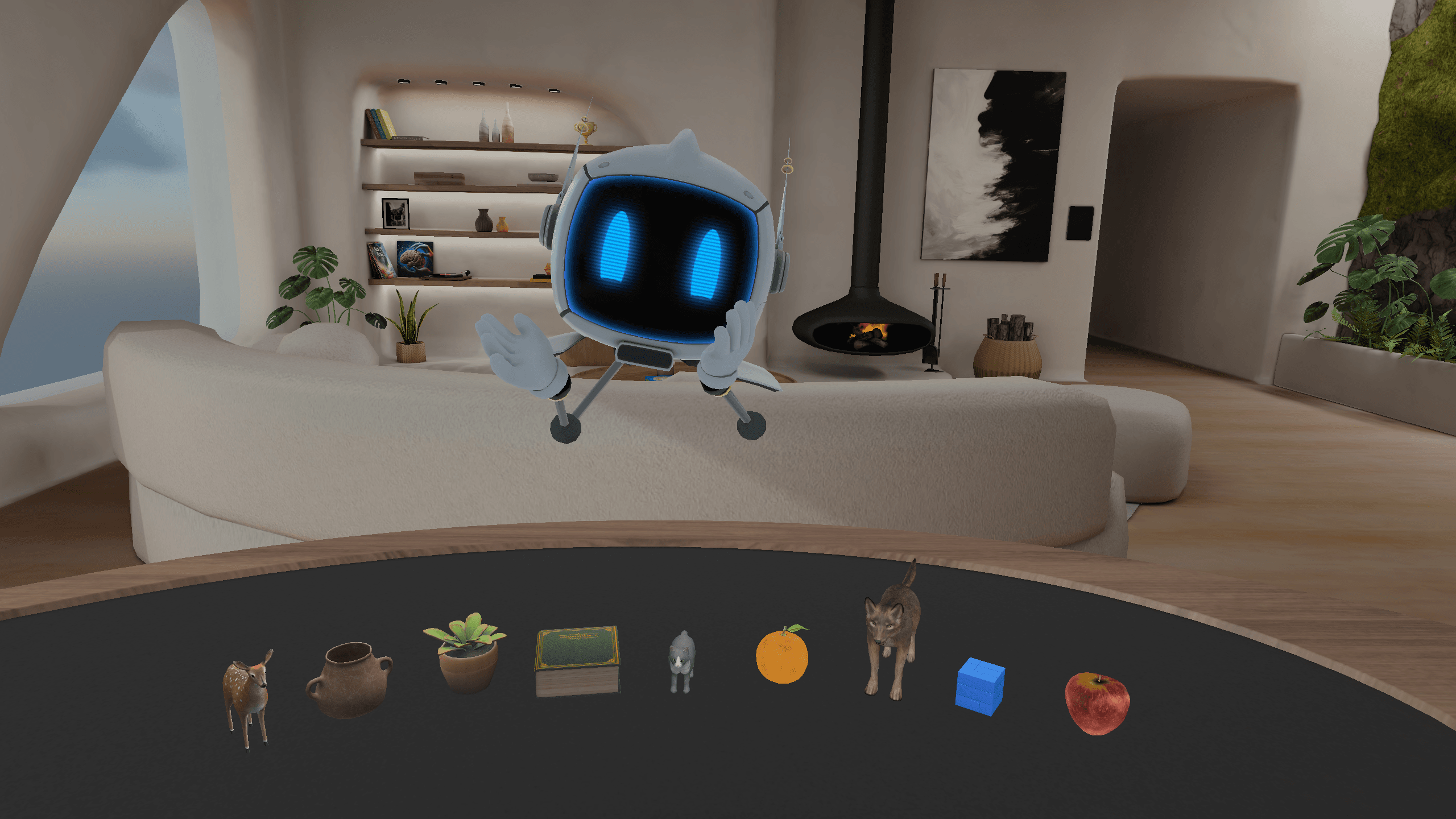
Drummer focuses on cognitive flexibility, helping users train their ability to adapt and inhibit automatic responses. It is based on the Stop Signal Task (SST), a widely used measure of inhibitory control and impulsivity. The game requires players to tap the correct drum in response to cue unless a stop signal appears.
Scoopful targets social cognition, using the Facial Emotion Recognition Task (FRET), a psychological measure used to assess one’s ability to recognize and interpret emotional expressions. Players must read facial cues and deliver the ice cream flavor that best matches each customer’s mood.
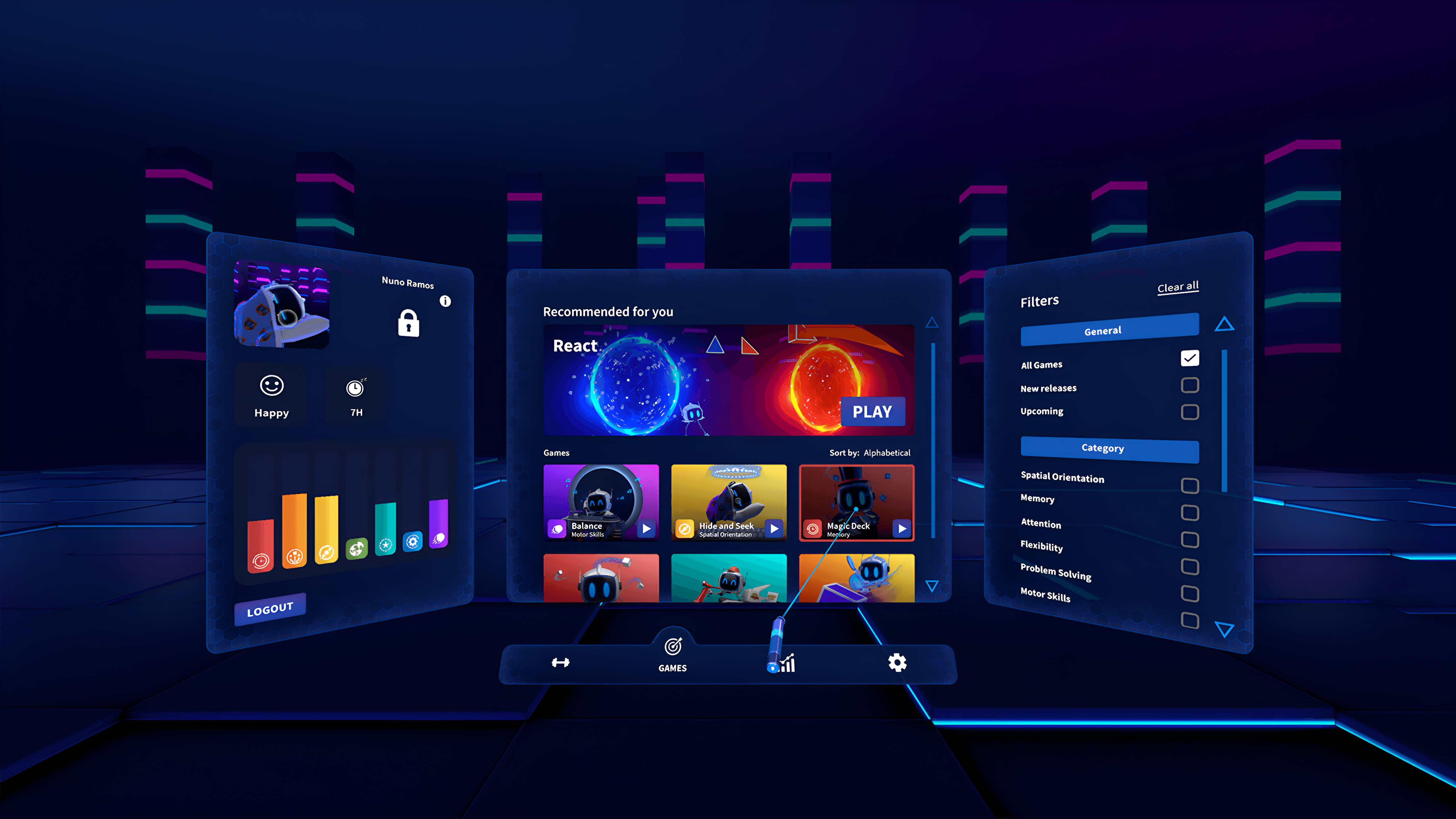
The games are part of Virtuleap’s flagship product, Enhance VR, which offers a suite of brain-training experiences designed with neuroscientists to assess and improve cognitive functions such as spatial orientation, memory, attention, flexibility, problem solving, motor control, and processing speed.
Cogniclear VR: Designed for early detection of dementia
Although the Enhance VR games are a foundational part of Virtuleap, the company’s mission goes far beyond offering an entertaining “gym for the mind” where users receive cognitive reports.
With their second product, Cogniclear VR, they deliver a self-paced cognitive evaluation that offers a multidomain assessment of critical cognitive functions in a virtual reality environment.
It features 14 short exercises across eight cognitive categories, namely problem solving, attention, cognitive flexibility, temporal orientation, memory, abstract reasoning, visuoconstructional skills, and motor control.
Virtuleap, which has raised $4.1 million to date, developed the tool in collaboration with Lusíadas Saúde and Roche Portugal to detect cognitive disorders such as dementia at an early stage, enabling timely intervention and improved health outcomes. This, in turn, helps senior citizens enjoy a better quality of life for longer.
This can make a huge difference in a world where it’s estimated that over 55 million people live with dementia and one person develops the condition every three seconds.
By 2050, 139 million people are expected to be affected by dementia, a collective term for brain syndromes that affect memory, thinking, behavior, and emotion. It is the leading cause of disability and dependency among older adults, with a total global cost estimated at $1.3 trillion.
Despite its growing impact, more than 60% of healthcare practitioners worldwide mistakenly believe that dementia – whose symptoms may include memory loss, difficulty performing familiar tasks, language problems, and personality changes – is part of normal aging.

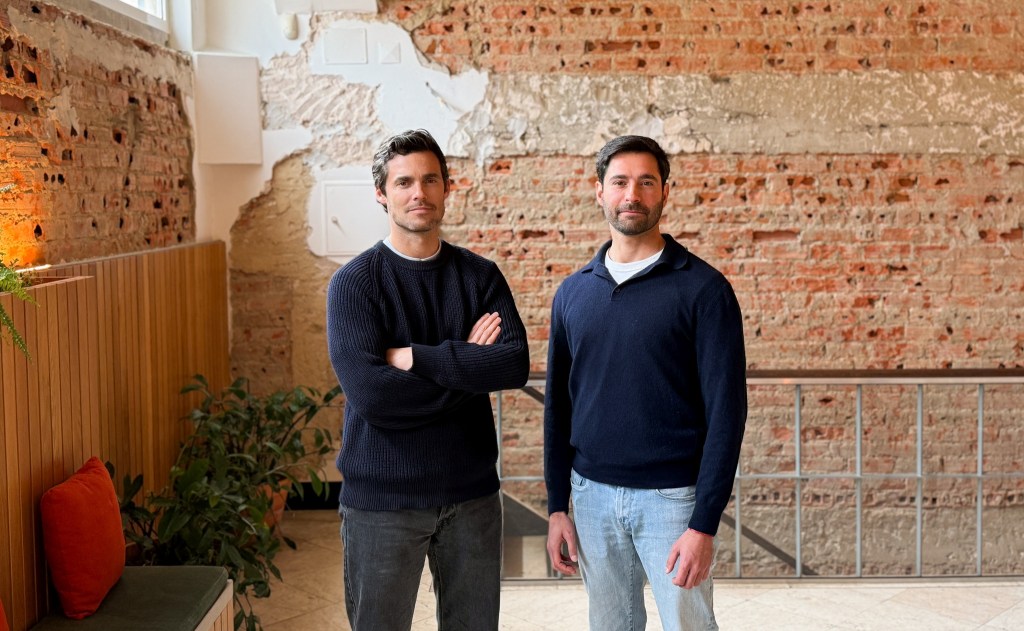
While there’s no cure for dementia yet, Virtuleap’s co-founder and CEO, Amir Bozorgzadeh, is convinced that “healthy measures,” such as the solutions offered by Virtuleap, can extend dementia-free years of life.
“We believe cognitive health should be monitored just like physical health. With tools like Enhance VR and Cogniclear VR, we’re not only offering engaging brain training, but helping shift the paradigm toward early detection and proactive care,” he told Portugal Startup News.
Bozorgzadeh added that the long-term vision is to make immersive cognitive assessment and training as routine and accessible as annual physicals.
Co-founder and Virtuleap’s CTO, Hossein Jalali, also believes that VR’s unique capabilities make it an ideal environment for building clinically meaningful digital health tools.
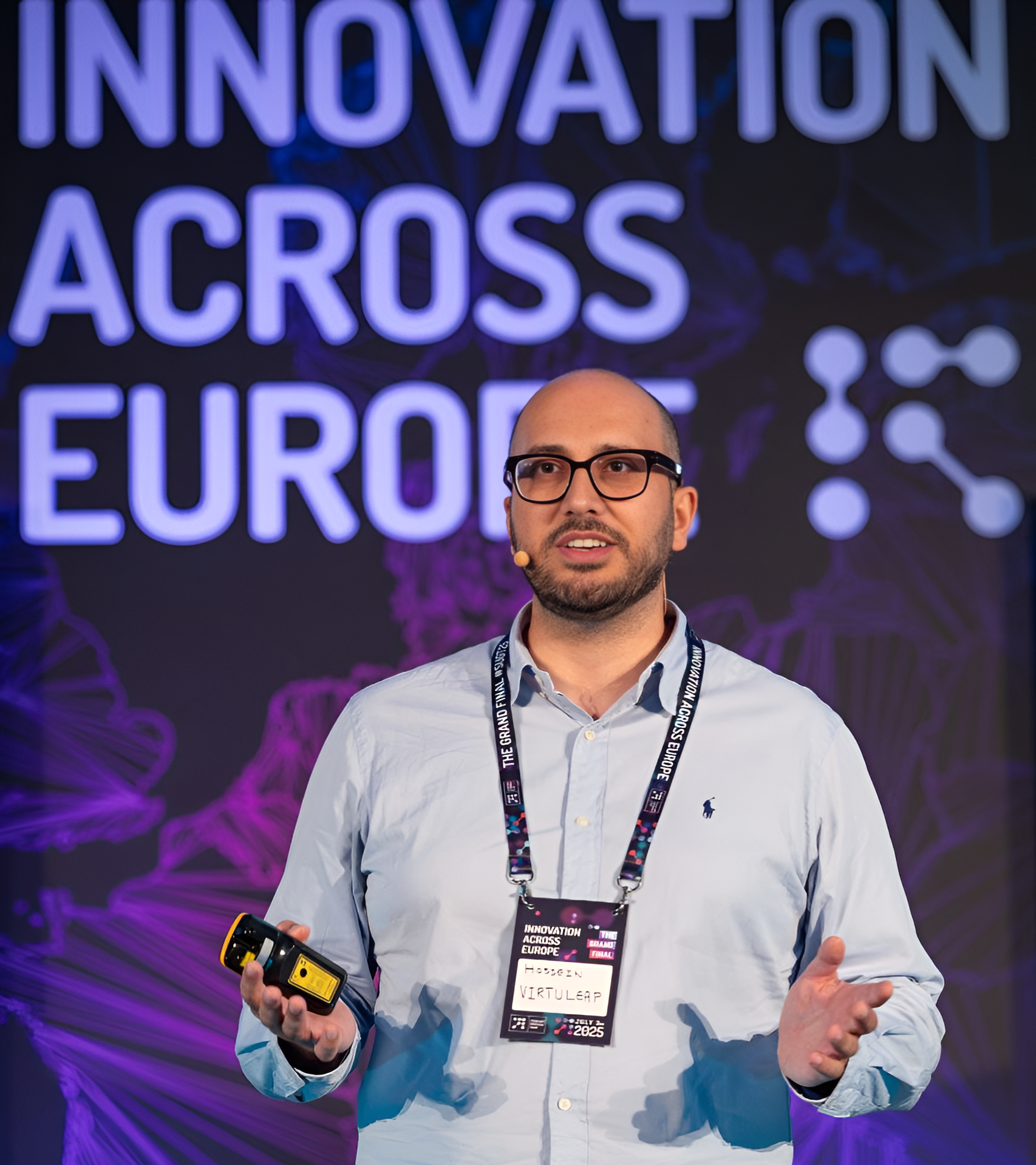
“Virtual reality allows us to design experiences with a level of precision and immersion that simply isn’t possible in traditional formats. That gives us the ability to capture real cognitive signals, not just surface-level responses,” he noted.
As for their future plans, they say their focus will be on expanding clinical validation, deepening partnerships with healthcare providers, and enhancing AI-driven personalization to deliver more precise, scalable brain health solutions.


 Portugal Startup News