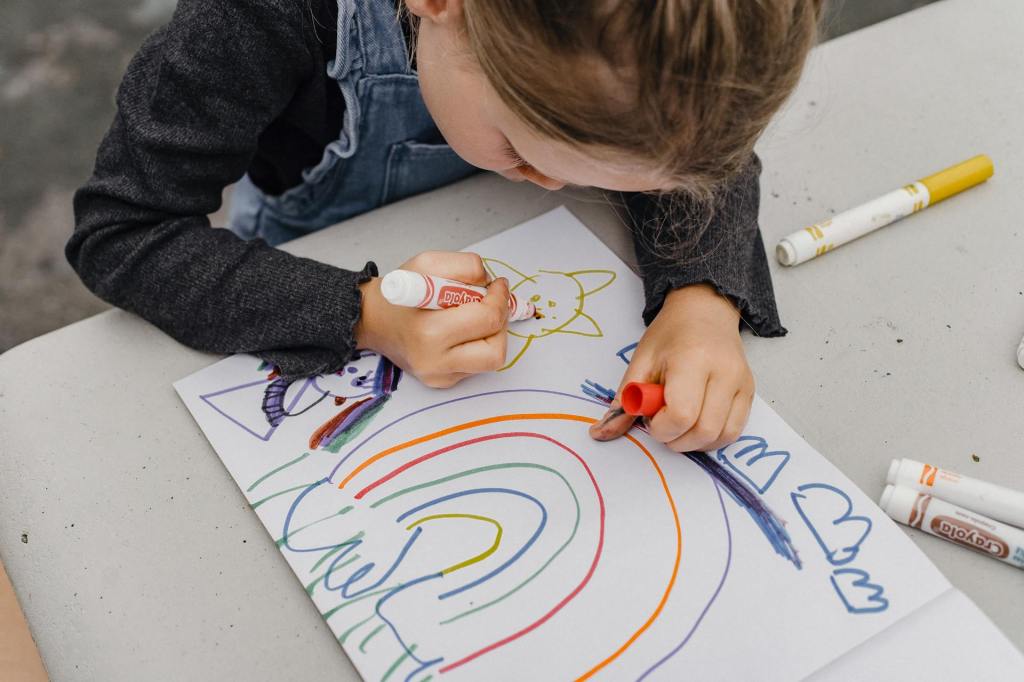
After gaining momentum in Portugal and seeing organic adoption in Spain, Portuguese EdTech startup Talents.Kids has its sights set on global markets, using science-backed AI to help families and educators better understand and support each child’s unique talents.
Founded by tech experts and parents with 14 children between them, the platform was born out of frustration with the “anxiety, guesswork, and guilt” they experienced while trying to support their children’s development
Research has consistently shown strong improvements in cognition, academic performance, confidence, and future life outcomes when children’s strengths are identified early and nurtured accordingly.
Experts also emphasize that talent doesn’t just “appear” later in life and often reveals itself early, needing the right support to flourish. One study found that 22 out of 24 high-performing individuals, from chess champions to figure skaters, were introduced to their talent by their parents – usually between the ages of 2 and 5.
Despite the importance of early talent discovery and support, many parents feel overwhelmed and under-equipped to help develop their children’s unique abilities due to factors such as limited time, skills, tools, and financial resources.
This is where Talents.Kids steps in with a fresh approach. Optimized for ages 3 to 16, the platform uses AI to identify creative, emotional, and cognitive potential often missed by traditional tests and school assessments.
In just a few simple steps, it analyzes everyday content – like schoolwork, drawings, stories, songs, or short videos – and delivers a personalized map of a child’s talents, along with practical suggestions for families and educators.
While the process is simple and lightning-fast (taking just 2 minutes versus the days required by competitors), the science behind it is rigorous.
The platform is built on five leading scientific theories of child development, namely Howard Gardner’s Multiple Intelligence Theory, François Gagné’s Differentiated Model of Giftedness and Talent, Carol Dweck’s Growth Mindset Theory, Anders Ericsson’s research on deliberate practice, and Martin Seligman’s Positive Psychology framework.
What makes Talents.Kids unique is its architecture of over 25 specialized AI agents working together – not just a single general model – to serve as a “digital second opinion” and deliver research-based insights.
The numbers speak for themselves: the platform has been validated in over 300,000 assessments, is trusted by schools with a 92% teacher satisfaction rate, and helps uncover an average of 3 to 4 new talents per child.
With over 90% positive feedback from parents and a price point 96% lower than traditional €500 evaluations, Talents.Kids is making personalized talent discovery easy and accessible for both parents and educators.
It’s also fully compliant with international privacy laws for children’s data protection, giving families peace of mind while using the platform.
The real impact, though, is seen in how families are using these insights to support their children in more meaningful ways.
In one case, a child struggling with traditional subjects was found to have strong spatial-visual and kinesthetic abilities. After shifting focus to hands-on, design-oriented learning, their confidence grew – and their academic performance followed.
In another example, a child initially thought to have attention difficulties was shown to possess exceptional musical and interpersonal intelligence. With the right support and activities, not only did their focus improve, but they also discovered a passion that brought out their best in both school and social settings.
What’s particularly encouraging is how parents in Portugal are embracing this new approach, echoing studies that reveal parents’ growing optimism about AI’s impact on education despite ongoing concerns.
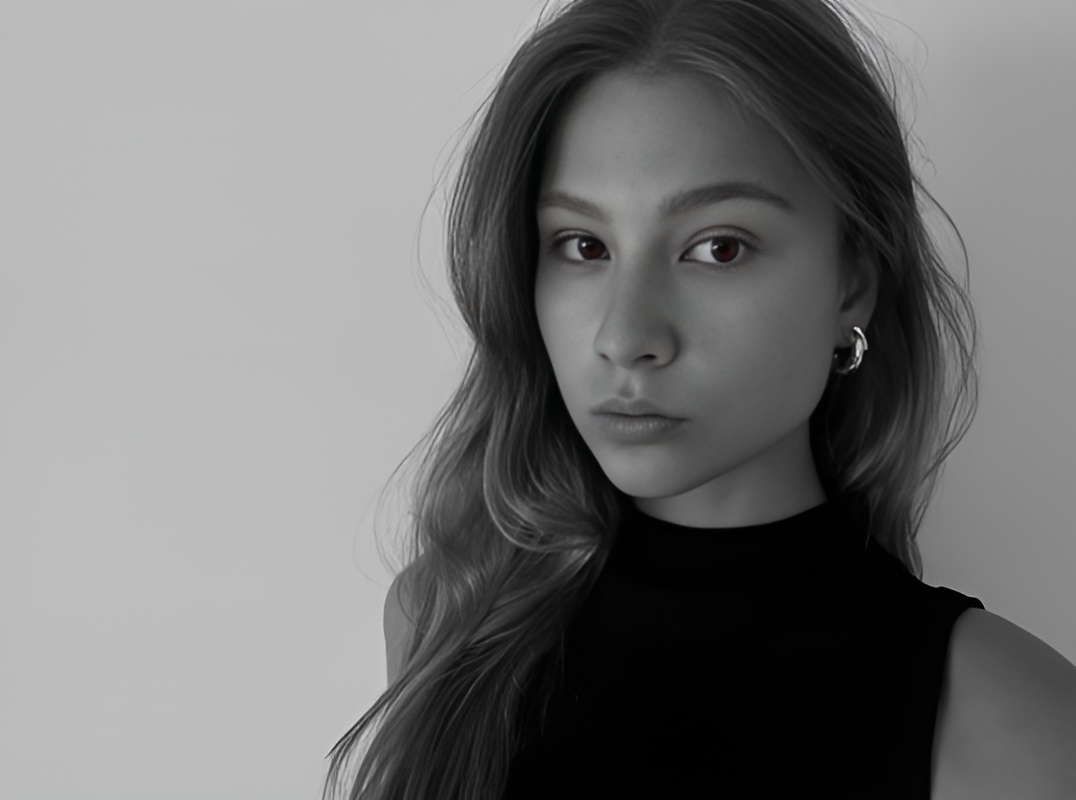
In an interview with marketing and ecosystem manager Mira Sergeeva, we discussed how Talents.Kids is changing the conversation around child development, its approach to turning complex data into actionable insights, the advantages and limitations of AI in education, the company’s plans for global expansion, and more.
If you’re curious about how AI in general – and Talents.Kids in particular – can make early talent discovery and support more accessible, faster, and more affordable, read her answers, which offer insights into a subject that may still feel unfamiliar or overwhelming for many families and educators.
How would you explain what Talents.Kids does to a parent who’s never heard of AI-based talent discovery?
Talents.Kids helps you discover your child’s unique talents using AI and science. You upload real-life input like drawings, schoolwork, or video clips, and our system analyzes them to identify your child’s strongest intelligences. It’s about understanding how your child learns, thinks, and expresses themselves – beyond just grades.
How do you think AI is changing the way we think about education and child development?
AI is shifting education from standardization to personalization. It allows us to analyze real-world behavior instead of relying only on test scores. This leads to deeper insights, earlier support, and more meaningful growth opportunities for each child.
Is your main focus currently on the Portuguese market, or are you also exploring other markets?
Portugal is our home base and starting point, but our vision is global. We’re preparing to scale internationally while building local partnerships – with schools, online tutoring platforms, and educational initiatives.
We’re also exploring collaborations with the Ministry of Education, Science and Innovation to contribute to national efforts that improve learning environments and give educators better tools. Our goal is to make science-backed, personalized support accessible to all children – both at home and in the classroom.
Can you break down your users into individual families and educators or schools?
We just moved from closed beta, where about 80% of users were individual families and 20% were educators and schools. While we started in Portugal, we’re now seeing organic adoption across Spain, which shows the universal appeal of our approach.
How are Portuguese parents responding to the idea of using AI to understand their children’s talents?
They’ve been surprisingly open and curious. With AI becoming more integrated into households, trust in AI-powered educational tools is growing. What’s been most rewarding is seeing this shift firsthand.
Once parents try the platform and see how intuitive and insightful it is, their curiosity quickly turns into genuine enthusiasm. We’re hearing not just from parents, but from educators, psychologists, and even entrepreneurs saying: “This is exactly what I wish I had growing up”.
What would you want Portuguese parents to understand or know about your platform?
We’re here to help families notice and nurture what makes their child unique – with clear, science-based insights.
We encourage parents to be open to technology that adds real value. When used responsibly, AI can provide clarity about a child’s personality, interests, and strengths – helping them grow into who they truly are.
What kind of feedback have you received from educators and child development experts?
Feedback has been overwhelmingly positive. Educators appreciate the deeper understanding of each student, and experts value how we’ve grounded the platform in well-established psychological frameworks like Gardner’s multiple intelligences and Bloom’s taxonomy.
That said, we know EdTech still carries some skepticism, especially when it claims to help teachers. Many tools have over-promised and under-delivered. That’s why we’re committed to building something that saves time, brings clarity, and truly supports teachers – not adds to their workload.
How do you acquire users and help them understand how the platform works?
We focus on education-first marketing: simple onboarding, video guides, and clear FAQs. We also engage with communities on platforms like Reddit, and partner with parenting and education organizations to build trust and visibility.
What are the current limitations of using AI for talent discovery that users should be aware of?
AI is only as good as the context it’s given – and the more consistent the input, the better the insights. Talents.Kids uses AI meaningfully: it spots patterns, uncovers hidden strengths, and offers practical suggestions.
But we always remind users these are starting points, not verdicts. The platform is here to support your intuition, not replace it. AI can be a powerful ally, especially when used as part of a thoughtful, ongoing approach to parenting or education.
How does Talents.Kids balance AI recommendations with human intuition and experience?
We frame every insight as a “discovery, not a diagnosis.” Our Talent Maps include clear explanations – not just scores – and we encourage parents and teachers to reflect and adapt based on what feels right for their child.
How do you communicate AI recommendations in a way that’s simple for parents to understand and apply?
We translate insights into plain, relatable language, with everyday suggestions parents can act on. For example, if a child shows strong emotional intelligence, we might recommend role-playing games, creative storytelling, or activities that build empathy.
How does the platform track a child’s growth over time? How can parents and educators know if the recommended activities are actually working?
We encourage users to upload updated inputs frequently, and the system reflects changes in patterns and strengths over time. It’s not about tracking linear academic progress but about observing developmental growth and evolving self-awareness.
The more data you share, the richer and more personalized the insights become. And the more consistent the input, the better the platform can detect shifts, trends, and deeper patterns. This gives both parents and educators a clearer picture of whether activities are truly supporting the child’s development.
Have you discovered any interesting or unexpected patterns in the talent data from Portuguese children?
Yes. Emotional and interpersonal intelligence often appear as dominant strengths. Many kids are naturally empathetic, socially aware, and cooperative, but those traits can go under-recognized in traditional academic settings.
We also see creativity shine through – in storytelling, drawing, or generating original ideas. Parents are often surprised by how strongly this shows up, which is a powerful reminder that “soft skills” are deeply connected to long-term success.
Can you share any success stories or examples of how families have benefited from using Talents.Kids?
One story that really stands out is Maria, a 9-year-old who was struggling in traditional subjects. Our platform identified strong spatial-visual intelligence and kinesthetic learning patterns. Her parents shifted focus to architecture and engineering activities – within 3 months, not only did her confidence grow, but her math grades improved because she was finally learning in a way that matched her natural abilities.
Another powerful example is 7-year-old João, whose parents thought he had attention issues. Our analysis revealed exceptional musical and interpersonal intelligence. They enrolled him in music therapy, and he’s now leading his school choir while his focus in other areas has dramatically improved.
How has building this company changed your team’s view on talent and potential?
We’ve realized just how diverse human potential is — and how early it can be present, even if it’s not always obvious. It’s often hidden in a quiet observation, an unusual idea, or a moment of empathy. Talent isn’t rare – it’s just too often overlooked.That’s the gap we’re here to close – not just with AI, but with a full ecosystem of insight, empathy, and educational science.
If you could give one piece of advice to parents about nurturing their children’s talents, what would it be?
Don’t rush to define your child. Watch without judgment, offer different experiences, and follow what lights them up. The answers often come when you stop trying to find them.
Is there anything important about Talents.Kids that people often misunderstand or miss from the outside?
Yes! Some think we’re just trying to “predict careers” or give a generic AI report. In truth, Talents.Kids is powered by over 25 specialized AI agents – working together on real, daily data inputs and grounded in science and psychology.
We provide clear, structured insights, not vague summaries, and everything is explained in simple, human terms. We understand that early-stage startups can be easy to dismiss, especially in sensitive fields like education. But we always say: don’t judge before you try.
What are your next big goals – whether in fundraising, partnerships, product development, or something else?
We’re focused on scaling responsibly. That means improving the user experience, expanding into schools, and forming new partnerships with education platforms and institutions.
We’re also launching pilot programs with schools – not just to refine the product, but to make talent recognition and better learning environments accessible for more children in Portugal and beyond.
And as we grow, we’re preparing for our next funding round to support international expansion and more advanced personalization features.
Is there anything else you’d like to add?
If you’re part of an educational institution or simply passionate about this mission and want to contribute through partnerships, pilot programs, or funding, we’d love to connect. Let’s grow this movement together – and make talent discovery more accessible for every child, everywhere.
Featured image: Photo by Allan Mas on Pexels


 Portugal Startup News