By Elodie Pagaud – Co-founder of Inkspot
I didn’t expect a global lockdown to change the course of my life. But one morning, somewhere in the middle of it, I woke up and thought: For who, and for what, am I doing this? I felt depleted. Not just tired, but empty of the energy that once made me love my work.
At the time, I was a freelancer in advertising – a fast-paced, creative, and undeniably flashy industry. My days were filled with client calls, strategy meetings, and creative brainstorms. I was the bridge between brands and the brilliant creatives who brought campaigns to life.
It was exciting, but I’d begun to realise that all my best thinking, all my passion, was being poured into making other people’s visions succeed. I was giving my best to others, never to myself.
The lockdown pressed pause on everything. As a freelancer, I was one of the first profiles clients cut. And in that sudden stillness, all the questions I’d avoided in the rush of everyday life came to the surface. Was I doing what I truly loved? Could I see myself in the same role in 10 years? I didn’t have the answers.
A conversation with a friend planted a seed: What if you took a break? They mentioned Portugal – a place they said could “recharge” me. I’d never been, but the idea grew until it felt like the only option.
I booked two months in Costa da Caparica, a seaside town just outside Lisbon. Close enough to a city to keep my urban instincts alive, but far enough to breathe differently. The moment I arrived, I felt it – freedom. Not the kind you measure in kilometres, but the kind that loosens something inside you.
I stayed in a hostel run by Francisco and Rodolfo, two of the most generous hosts I’ve ever met. They didn’t just give me a room; they gave me a welcome, tips, connections, and a sense that the universe had planted me exactly where I needed to be. I thought I’d come for a break. I didn’t realise I was starting the first chapter of something entirely new.
My years in advertising had taught me the value of gut instinct and the power of consumer-centric thinking – not just shouting what a product is, but showing people how it fits into their lives, how it solves frustrations they’ve learned to live with. That mindset would become the cornerstone of my next venture.
Back then, my friends would have described me as dependable, loyal, and maybe a bit of a workaholic. Today, I’d add something else: someone who finally decided to take that loyalty and dedication and invest it in my own vision.
The founding story
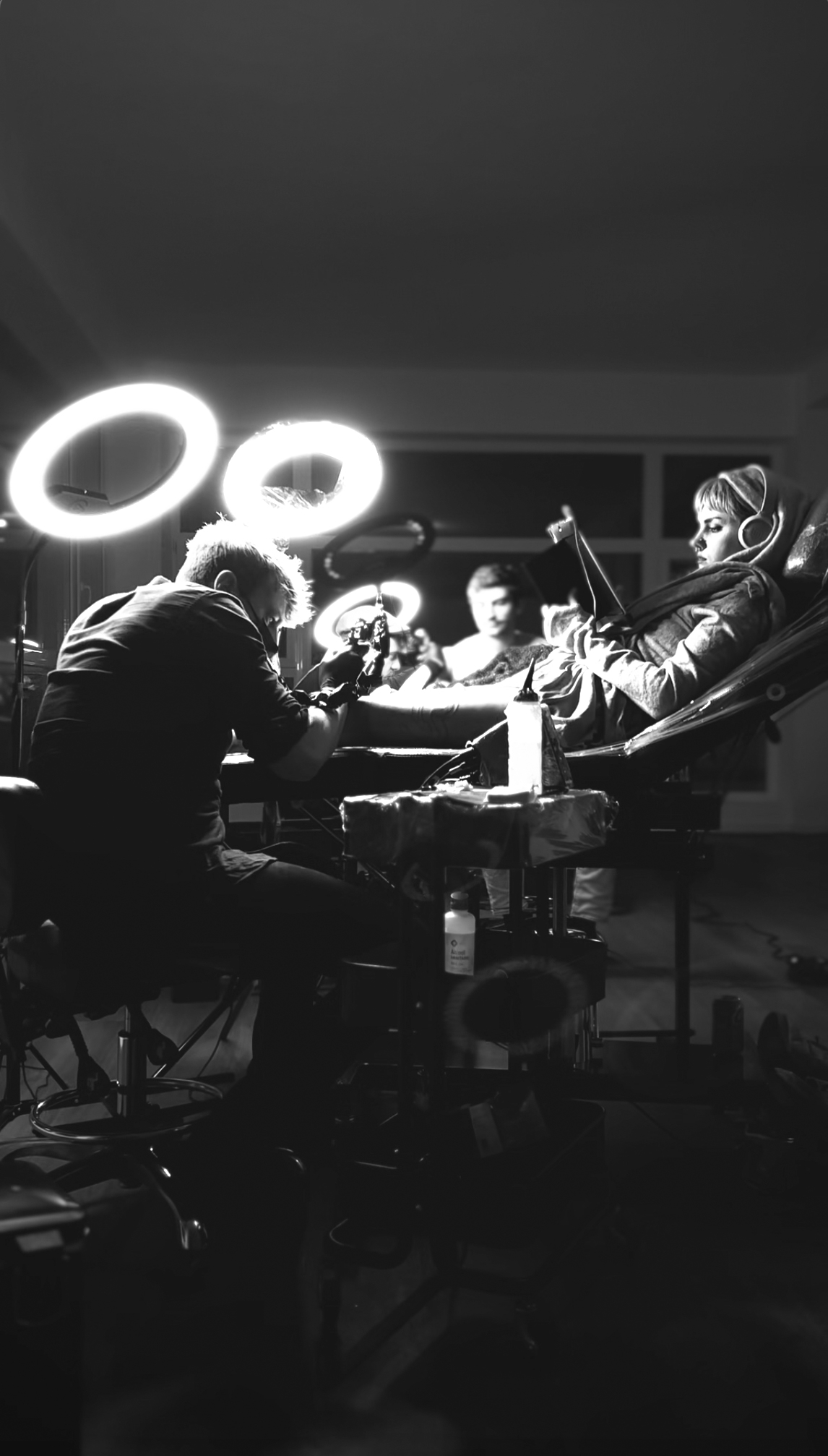
Some startup stories begin in boardrooms or business schools. Ours began in a tattoo chair.
Arie Fasant, one of Portugal’s most experienced tattoo artists, had been tattooing my boyfriend. At the time, I was already dabbling in tattoo design myself – experimenting on fake skin, sketching ideas late at night – and my boyfriend thought we should meet. He introduced us, and soon I was talking with Ari about the possibility of apprenticing in his studio. The friendship grew naturally.
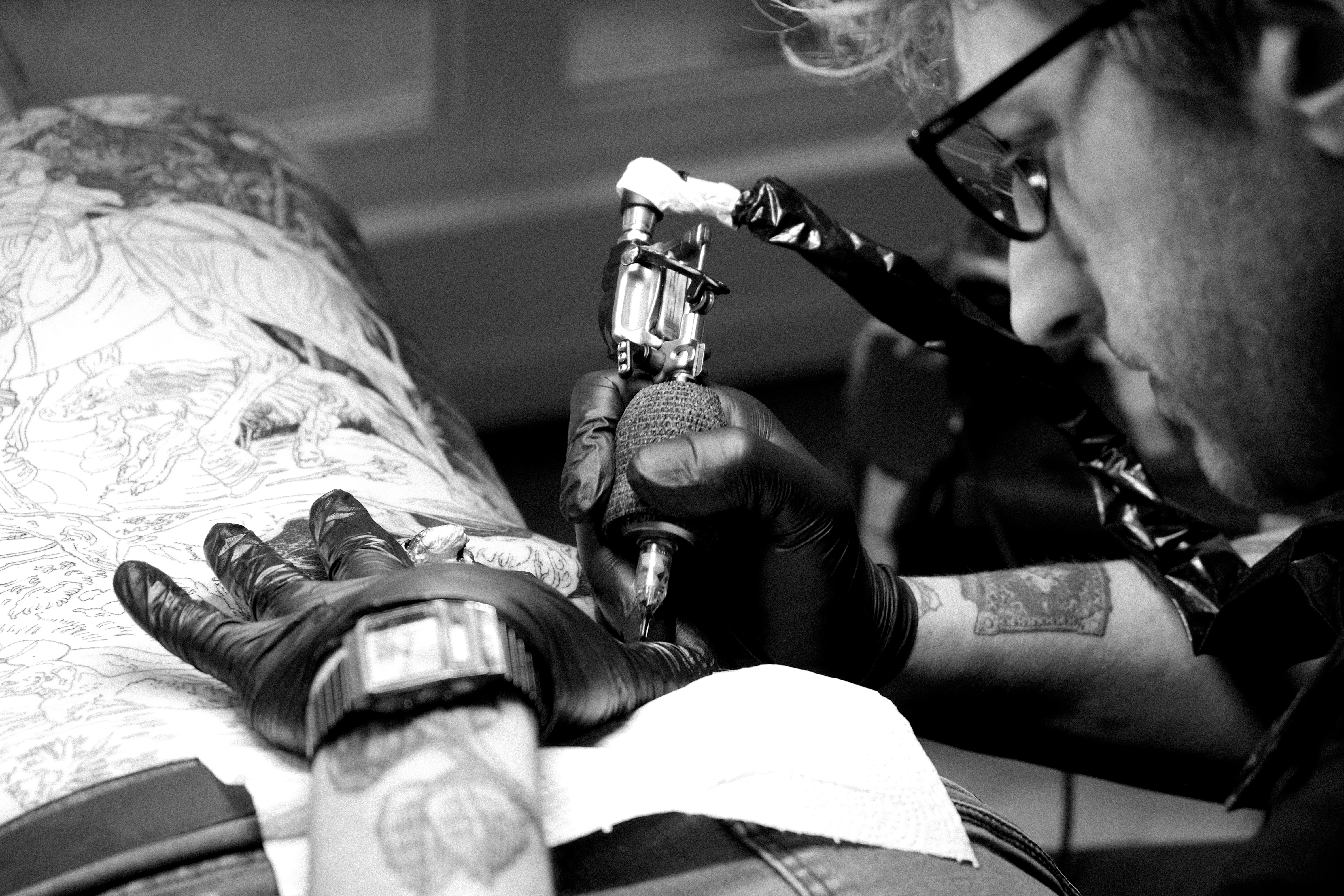
Our first business conversation wasn’t about Inkspot at all. Ari wanted to open a tattoo studio in Portugal and wondered if I might come on board as a business partner to help manage it. That plan didn’t happen, but months later, he came back to me with a different proposal.
He and a friend, Shane Smith – a software developer – had been talking about a challenge in the tattoo world. Shane, who had met Ari during COVID while getting his body tattooed, had seen firsthand how hard it was for tattoo artists travelling abroad to secure a “guest spot” in another studio. The two imagined an app to solve that problem – something like Airbnb, but for tattoo artists.
They also realised they needed someone to bring structure, marketing, and business strategy to the table. Ari thought of me.
Before joining, I wanted to meet Shane properly. I’ve learned the hard way that skill alone doesn’t make a good co-founder – values and personality matter just as much. Within one conversation, I knew we’d get along. We’d both had frustrating encounters with corporate structures that stifled good ideas. We shared a desire to build something we could be proud of – not only as a product, but as a company with a culture we believed in.
Our skills meshed naturally: Ari brought deep industry expertise – 15 years of tattooing and six years running his own studio. Shane had the technical mind to build and iterate quickly. I brought the marketing and business strategy from my years in advertising, along with a clear vision for user acquisition and brand positioning.
Like many early-stage startups, we made our share of mistakes. Our first product – the guest spot app – didn’t give tattoo artists or studios immediate, tangible value. It asked for commitment before proving its worth. Through a lot of honest conversations, we decided to pivot to something with instant benefit: the Inkspot Flash Tattoo Market.
Here, clients could easily find a ready-to-go tattoo design, book it online, and get inked. Artists could reach new clients and fill their schedules faster. It solved a problem for both sides in a matter of clicks.
We started small – a Shopify MVP. We didn’t run ads or spend on marketing. We just posted it on our personal and Inkspot social media accounts. And then, the first booking came in. The number wasn’t huge, but the feeling was. People trusted us enough to buy a tattoo online – some even spending over €250. That was proof.
From there, the energy shifted. We built a no-code platform better suited to our needs, ran a small poster campaign, and brought in 15 bookings quickly. It wasn’t just the revenue – it was the validation. The moment we saw those first sales, the whole team’s momentum changed. Suddenly, it wasn’t just an idea we believed in; it was a business other people believed in too.
Why tattoos? Why Inkspot?
For as long as I can remember, I’ve wanted to work in a business deeply connected to creativity. Tattoos are the perfect embodiment of that: artistry, craftsmanship, and personal expression, all in one.
I’d always admired tattooing, but getting my own tattoos changed how I saw them. For me, it wasn’t about rebellion or trend – it was about showing myself without being constrained by what people expected me to look like. Tattoos are an intimate, permanent way of saying, this is who I am.
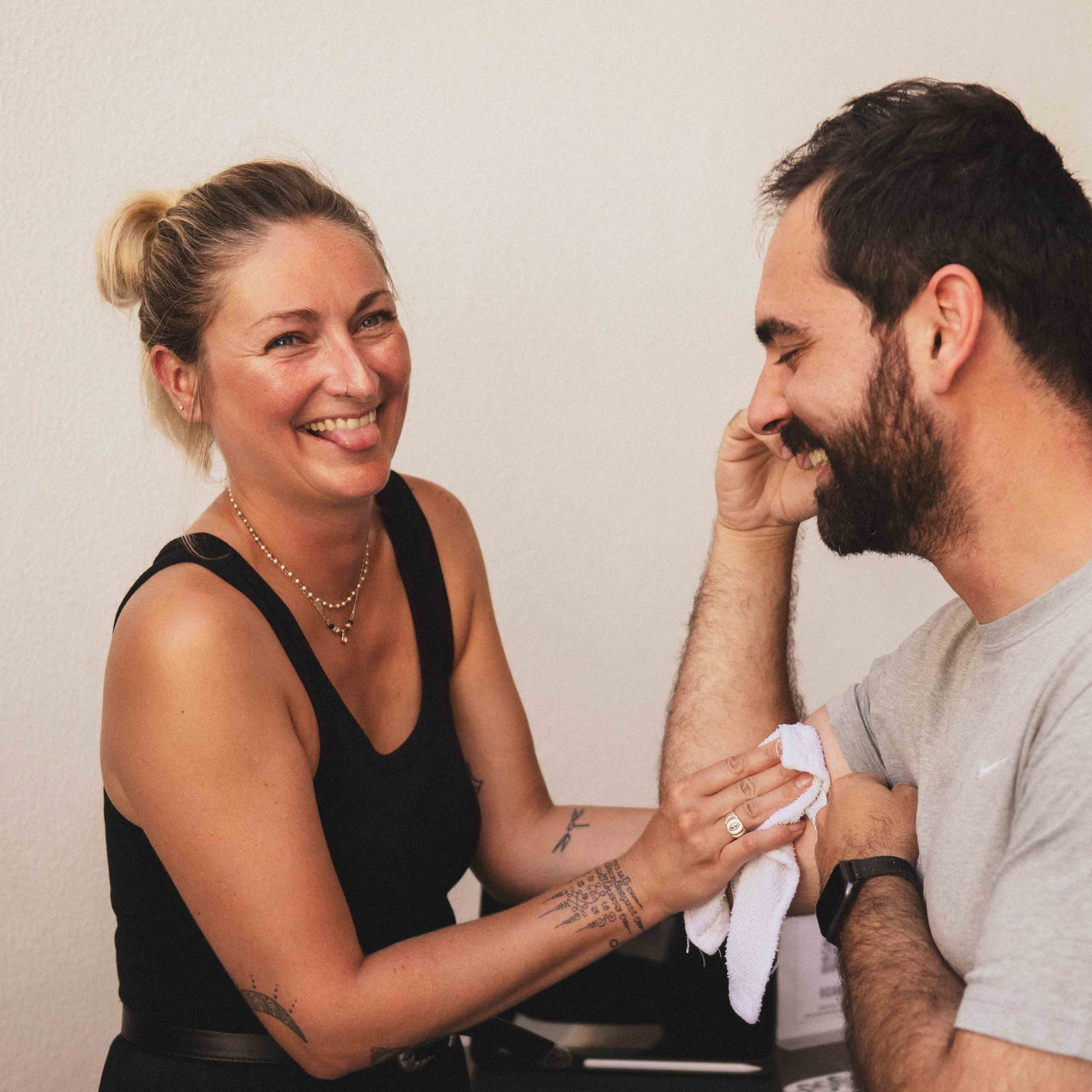
My background in advertising gave me the business and marketing skills to build brands, but I wanted to use those skills in a space where artistry wasn’t just a tool – it was the heart of the work. Tattooing gave me that. It felt like the universe was answering my wish: a place where my business mind and my love of creativity could finally coincide.
But I also saw the industry’s pain points up close. Brilliant tattoo artists were struggling to be seen, not because their work wasn’t good enough, but because algorithms decided who got visibility. Those willing to spend the most on ads – or who played the influencer game – were the ones clients found first. That often meant clients weren’t connecting with the artists who best matched their vision.
The result? Frustrated clients, and talented artists – especially those starting out – giving up on their careers because they couldn’t get enough bookings to sustain themselves. Some of those artists had the potential to become great, but they were being held back by a system that rewards visibility over artistry.
Inkspot was built to change that. Our mission is simple but ambitious: to empower the tattoo industry. That means creating real opportunities for artists, connecting them with the right clients, and building a community where they can support each other, share their craft, and evolve together. For clients, it’s about making it easy to find the perfect match – the artist whose style and vision align with theirs.
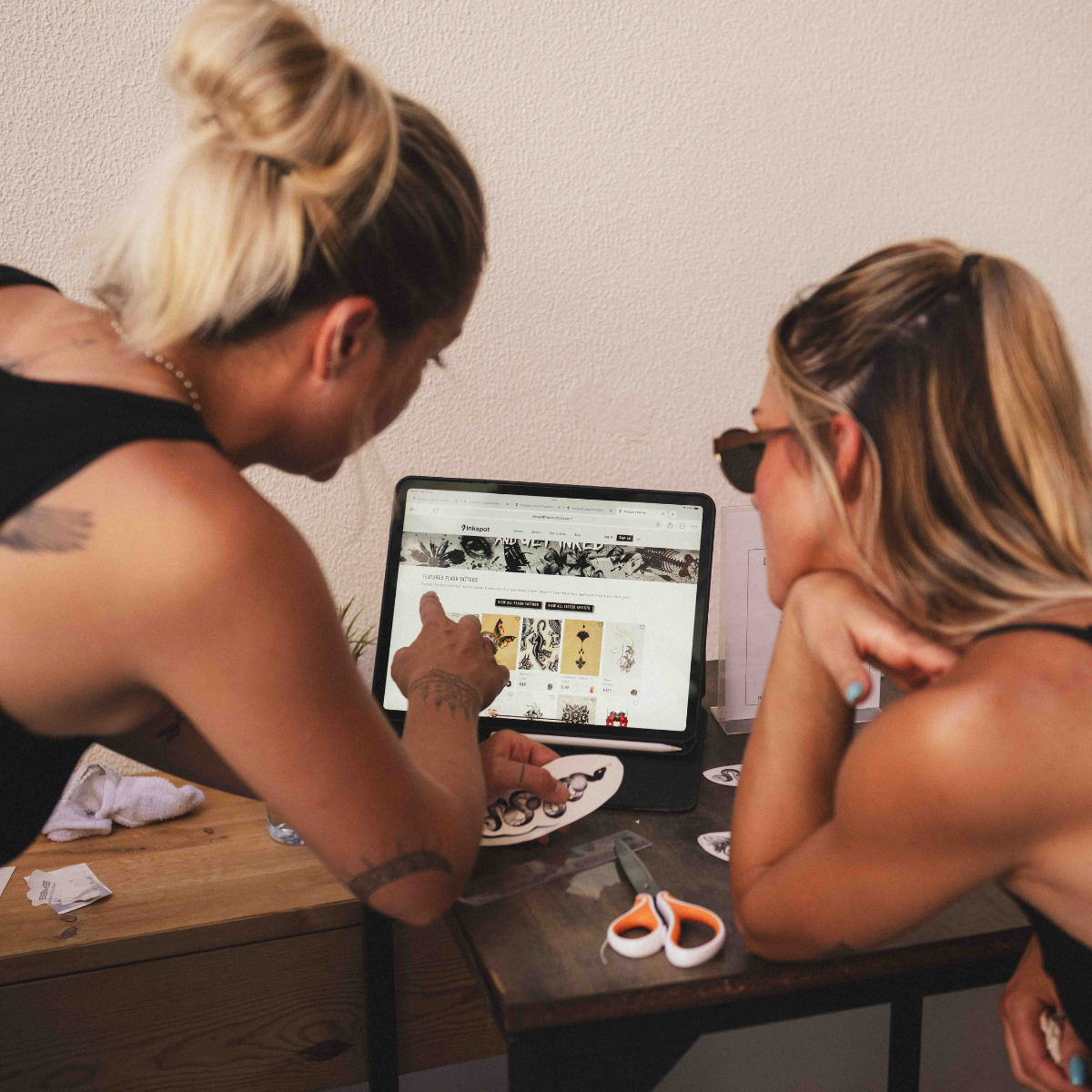
We’re a neutral ground – no favourites, no gatekeeping – just a platform where all artists, all studios, and all clients can meet, connect, and thrive.
Lisbon was the natural place to start. It’s one of Europe’s most vibrant startup hubs, with an ecosystem that actively supports young companies in a way I never felt back home in Belgium. But it’s also a city alive with creativity, openness, and urban culture. Here, conversations with strangers turn into collaborations. The tattoo scene is as diverse and welcoming as the city itself – a perfect reflection of what we want Inkspot to be.
Building a startup as expats
People often expect the expat founder story to be full of struggles. In reality, building a startup in Portugal has felt surprisingly supportive. The only real hurdle? Bureaucracy.
Like many foreigners – and many Portuguese, for that matter – I’ve learned that paperwork here can be slow, complex, and sometimes hard to untangle. It’s the kind of process where you can lose days chasing signatures and clarifications. My advice to anyone starting a business here: invest in a good lawyer from the start. It’s worth every euro to set things up correctly and avoid headaches later.
Culturally, there are differences. Portugal moves at a slightly slower rhythm – more time spent thinking things through before acting. Coming from Belgium, I adapted fairly easily, but I know friends from faster-paced countries, like the US, who find it a bigger adjustment. I’ve come to appreciate that pause; it often means decisions are more considered.
Language hasn’t been a major barrier. Between English, French, Dutch, and my ongoing Portuguese lessons, I can navigate most situations. Having a Portuguese partner and family here has helped too – not with shortcuts, but with encouragement to really learn the language and connect with people.
And the advantages? They’re significant. Portugal has built a genuine ecosystem for startups, with Lisbon at its centre. There’s a shared belief that innovation can shape the country’s future, and that openness is contagious. I’ve never felt like being a foreigner put me at a disadvantage here. If anything, the mix of perspectives has made our work richer.
Lessons from the ink
The tattoo industry has taught me that there is no one-size-fits-all. Every artist is a creative, but creativity takes many forms. Some work in established studios, others in private spaces; some are just starting out, others have decades of experience.
Their needs, challenges, and ambitions are as diverse as their art. The only way to truly serve them is to listen – to have real, ongoing conversations that go beyond features and functions, and into how they see their craft and their clients.
I’ve seen, in my own life, how tattoos can change the way someone carries themselves. For me, getting tattooed wasn’t about following a trend – it was about becoming more myself. Each piece felt like an act of self-expression, a way of showing the world who I was without the constraints of who I was “supposed” to be.
Building a startup has taught me something different but equally valuable: perfection is an illusion. In advertising, everything needed to be polished – the perfect pitch, the perfect visual, the perfect message.
In startups, that mindset can hold you back. Here, speed matters. Test fast, fail fast, learn faster. I’ve had to unlearn overthinking and embrace action – to value quick feedback over flawless execution, because the latter often never sees the light of day.
Leadership has been its own education. I’ve learned the importance of openness, not just in strategy but in communication. It’s okay to say, “That comment hurt me,” or “I didn’t appreciate that,” as long as it’s said calmly. Vulnerability doesn’t weaken a team – it strengthens it. When people feel safe to speak honestly, ideas flow, problems get solved, and trust deepens.
Lisbon itself has taught me something I didn’t expect. Coming from Belgium, I used to think of wealth in terms of numbers – GDP, bank balances, measurable growth. Here, I’ve discovered a different kind of wealth: cultural richness, community connection, and the ability to appreciate life beyond work. The city is full of opportunities, but they aren’t always obvious. You have to know where to look, and be open to redefining what opportunity really means.
Where we go from here
Right now, Inkspot is at a pivotal moment. We’re actively seeking an investor to help us scale – finalising our business and financial plans so we can have concrete, high-value conversations with the right partners.
At the same time, we’re building a custom-made platform shaped directly by feedback from both artists and clients. The goal is simple: make the experience seamless, safe, and inspiring for everyone who uses it.
But the marketplace is just the beginning. Our bigger vision is to create a dedicated global online space for the tattoo industry – a place where artists have every tool they need to focus on what they do best: designing and tattooing. We already have two additional ideas in the works that will complete that circle, making life easier for artists and more exciting for clients.
One of the initiatives I’m most excited about is forming an advisory board made up of tattoo artists themselves. If you want to create something truly valuable for an industry, you have to include the people who live and breathe it. Their voices will guide Inkspot’s evolution.
If I could give one piece of advice to anyone thinking about building something abroad, it would be this: your mindset matters more than your location. Of course, research the ecosystem – some countries, like Portugal, actively nurture startups – but success comes from grit. You have to show up every day, even when you’re facing setbacks. There’s no such thing as perfect, but there is mastery in constantly finding solutions.
Today’s tools make that process faster than ever. With AI and low-cost digital platforms, it’s possible to build, test, and adapt in ways that would have taken years before. If there’s ever been a time to start, it’s now.
About the author:
Elodie Pagaud is a marketing and communications expert with experience in branding, advertising, and creative storytelling. Together with tattoo artist Arie Fasant and software developer Shane Smith, she co-founded Inkspot, a flash tattoo marketplace that connects artists with clients who value their work.
Founded in Lisbon with global expansion plans, the platform was built on the belief that tattoo artists are not influencers and shouldn’t have to chase algorithms or “go viral” to get bookings. Inkspot enables artists to share and sell original flash designs, while clients can browse by style or theme, read reviews, and book directly.
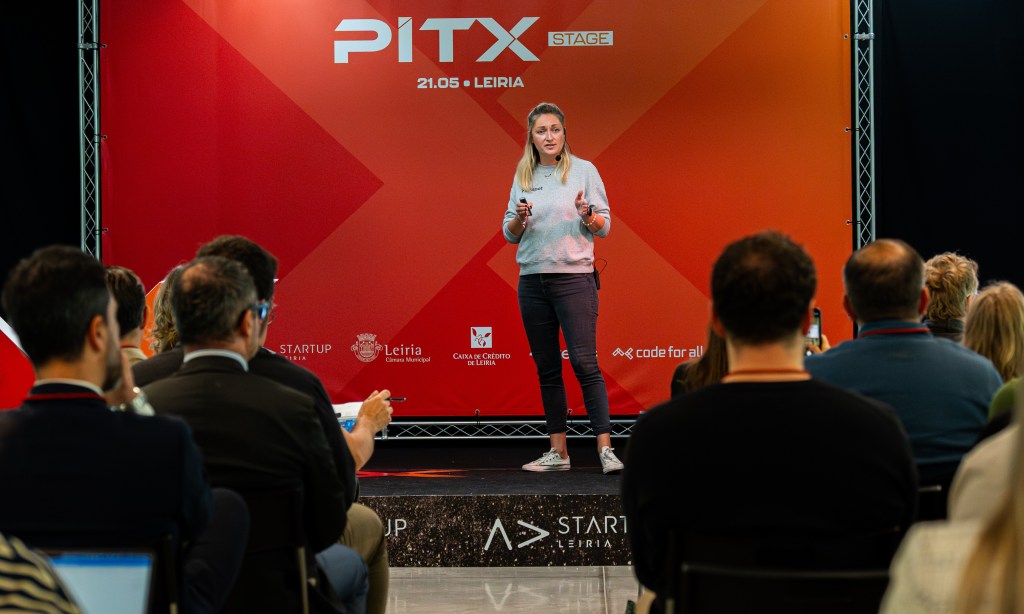
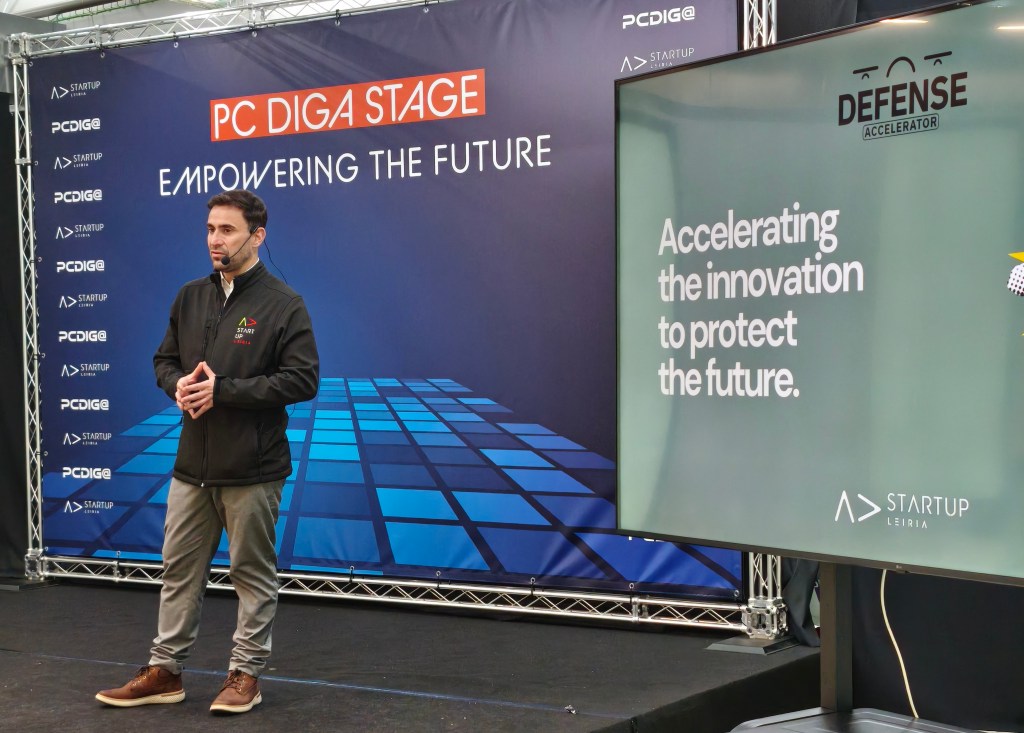
Featured image: Elodie Pagaud pitching Inkspot at Pitx Leiria, an initiative by Startup Leiria where startup founders presented their innovative solutions to an audience of investors. (Photo courtesy of Inkspot)
Disclaimer: The opinions expressed in contributed opinion pieces are those of the authors and do not necessarily reflect the views of Portugal Startup News.
 Portugal Startup News