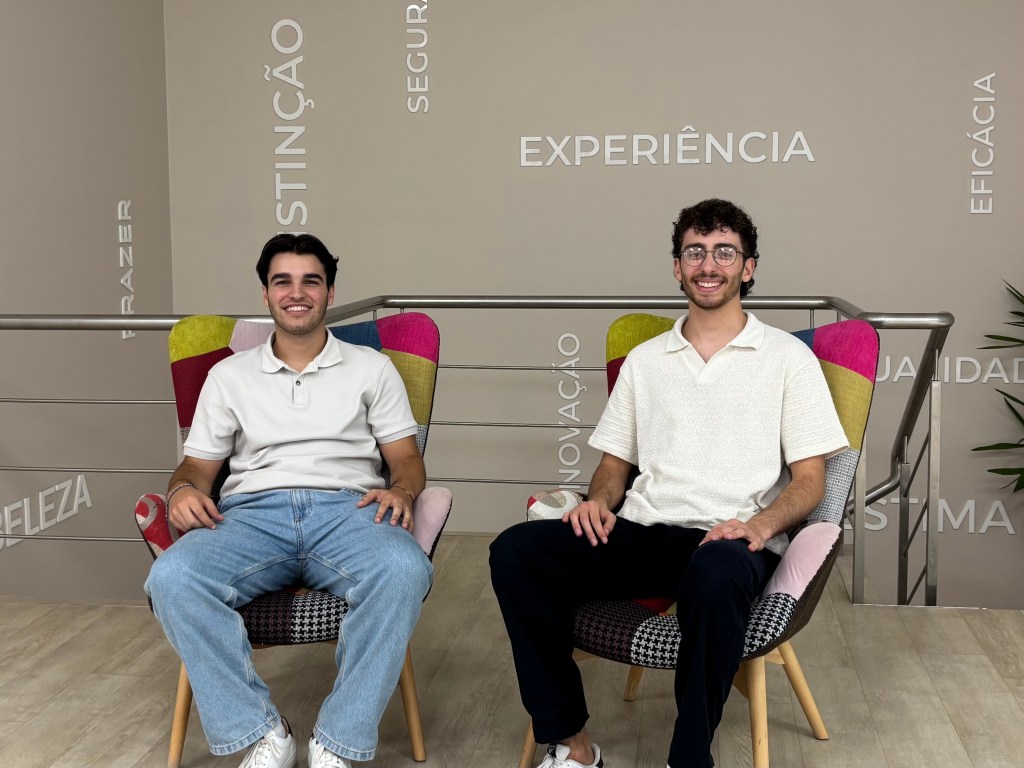
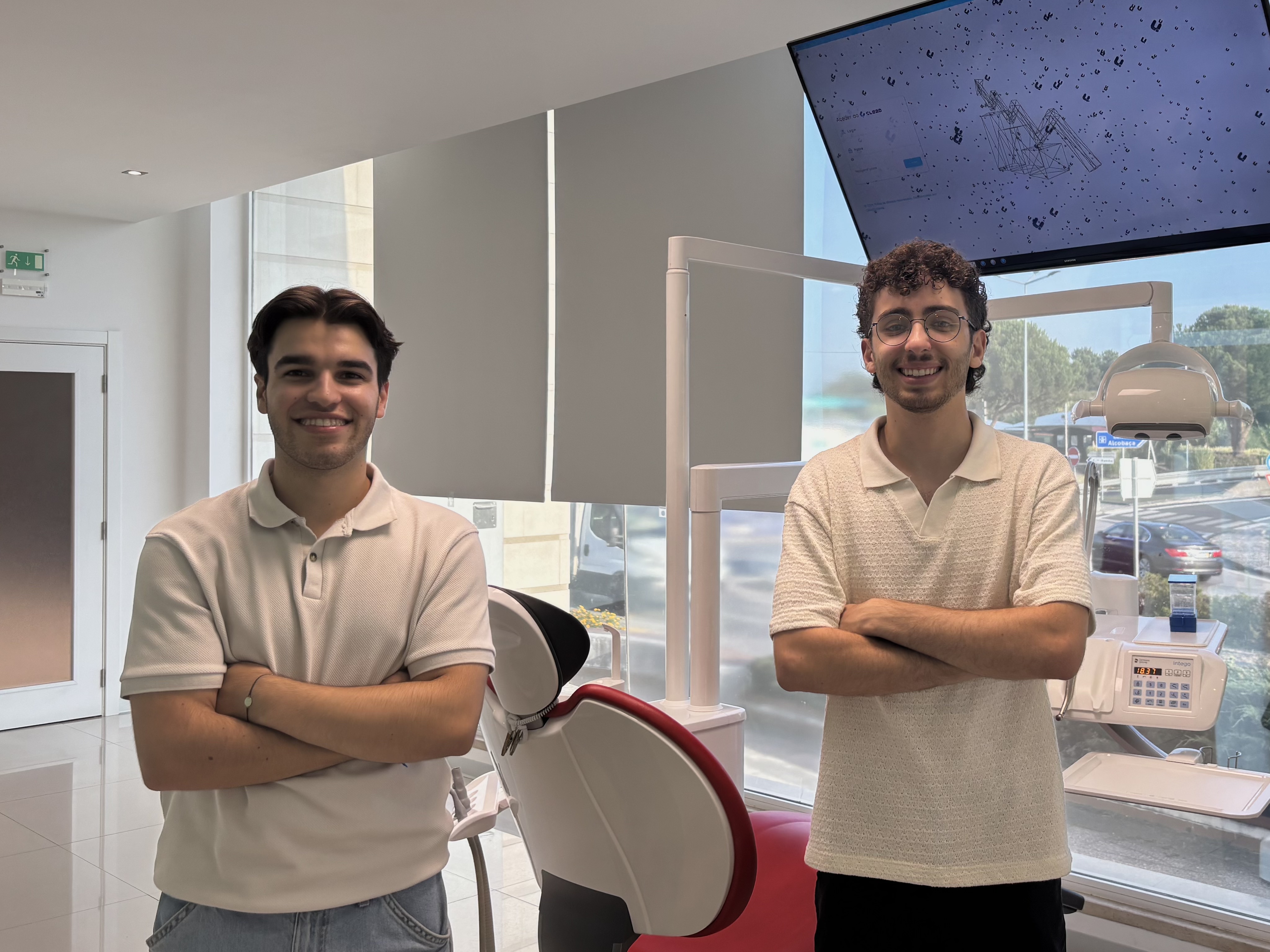
By Pedro Gomes and Miguel Pires, ex-founders of Clead
A year ago, we were just two first-year university students sharing a small dorm room in Lisbon. We didn’t know each other, but we quickly discovered we both had the same itch. We wanted to build something meaningful. We had no money, no experience, and no clear idea of where to begin.
That vague ambition eventually became Clead, a startup we built and ran for about a year. Today, Clead no longer exists. It didn’t lead to investment rounds, a big acquisition, or even many clients. But it taught us more than any class, internship, or textbook ever could.
We’re writing this not to celebrate a success story, but to be honest about what it’s like to try something from scratch. We want to share what we learned by building, selling, failing, adapting, and trying again. If you’re a student or first-time founder wondering whether you’re ready to start, we hope this helps you see that the only way to know is to try.
The early days: Zero experience, all curiosity
We met as roommates during our first week of university. We found out we had very similar backgrounds, and even lived very close to each other in our home cities, but what we really had in common was that we were both restless and ambitious. Even though we barely knew each other, we quickly found ourselves talking about business ideas and the desire to build something and be different.
A few days later, we met Euler. He had the technical experience we lacked, and he came with a product idea already validated in the company where he used to work. He was looking for co-founders who could help push the idea forward. We were looking for someone who could help turn our motivation into something concrete. That is how the founding team behind Clead came together.
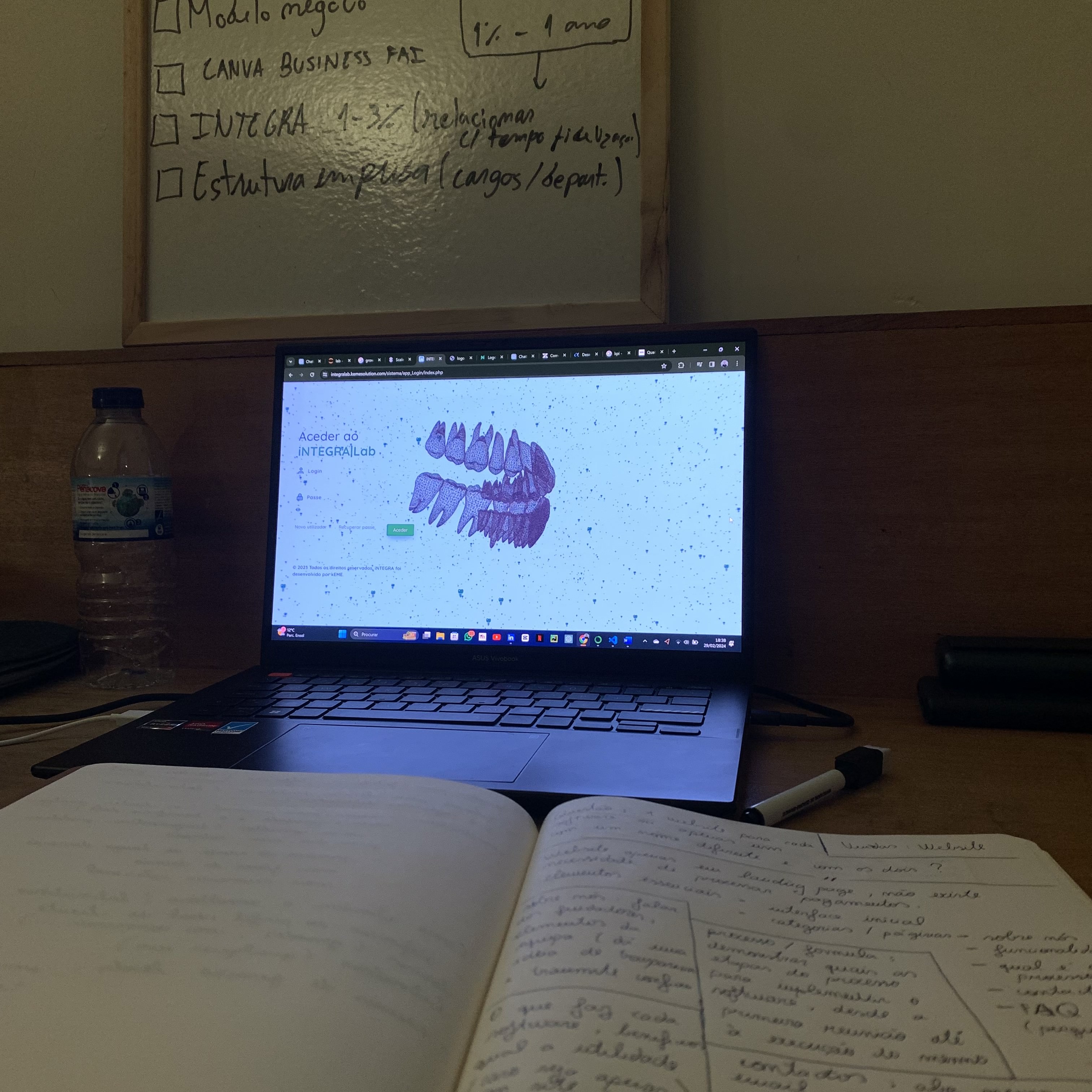
Clead started with one insight. Most dental clinics in Portugal were still managing their daily operations through outdated software, Excel files, or even paper. There was data, but it was scattered and difficult to act on. Clinic managers had no easy way to see which patients were slipping through the cracks, which services were being underused, or how much value was stuck in unaccepted treatment plans.
We believed we could change that by giving clinics a clear view of their own business, using data they already had. We weren’t sure how far we could go, but we were curious and excited.
That, more than confidence, is what pushed us to start. As young inexperienced entrepreneurs, we thought that we were going to get rich some months after that… and we quickly found out things were not going to be that easy.
Early outreach mistakes and lessons
Before reaching out to potential clients, we decided to create a visual identity. We used the little money we had to hire an artist and develop a brand image. Looking back, this probably wasn’t the smartest decision. We should have started by talking to clinics, validating the idea, testing the product, and understanding whether it could actually work. But at the time, building that brand gave us a boost of confidence and made us feel more credible. In that sense, it helped.
We knew we had to talk to as many clinics as possible. So we created an Excel sheet with every clinic we could find, along with their contact information. Then we started emailing and in just two days, we had sent over one hundred emails. We waited for replies, hoping someone would be interested. A week passed. Then another. Finally, we received one response: “We are not interested, as we are already using another solution.”
That was it. One reply. One rejection. Nothing more.

Instead of giving up, we changed our approach. We turned to LinkedIn and started messaging clinic owners directly. That was when things began to shift. We got meetings. We received useful feedback. And we began to realise that there was a real problem we could help solve. Even though we didn’t get a definite “yes” at first, those early conversations were enough to give us the confidence to keep going.
At this stage, we made one big mistake. We assumed that our lack of experience meant we wouldn’t be taken seriously. Because of that, we relied heavily on Euler’s technical expertise during meetings and barely spoke. But as we gained confidence and began to speak more, we noticed something important. The meetings started going better. Potential clients actually appreciated hearing from young, enthusiastic students who were offering new ideas and trying to solve real problems.
The good, the hard, and the messy
Clead was never smooth. Some weeks were full of energy, meetings, and progress. Others felt like we were walking in circles. The hardest moments usually came right after the highs. We would finish a promising meeting, feel excited, and then go silent for weeks with no reply. We were constantly chasing momentum, but never quite catching it.
One of the biggest technical challenges came from the nature of our product. Clead relied on data from other software systems used by dental clinics. That meant we needed integrations. And those integrations were not easy. Many of these companies placed restrictions or technical barriers that made access difficult. In some cases, that limitation cost us potential clients.
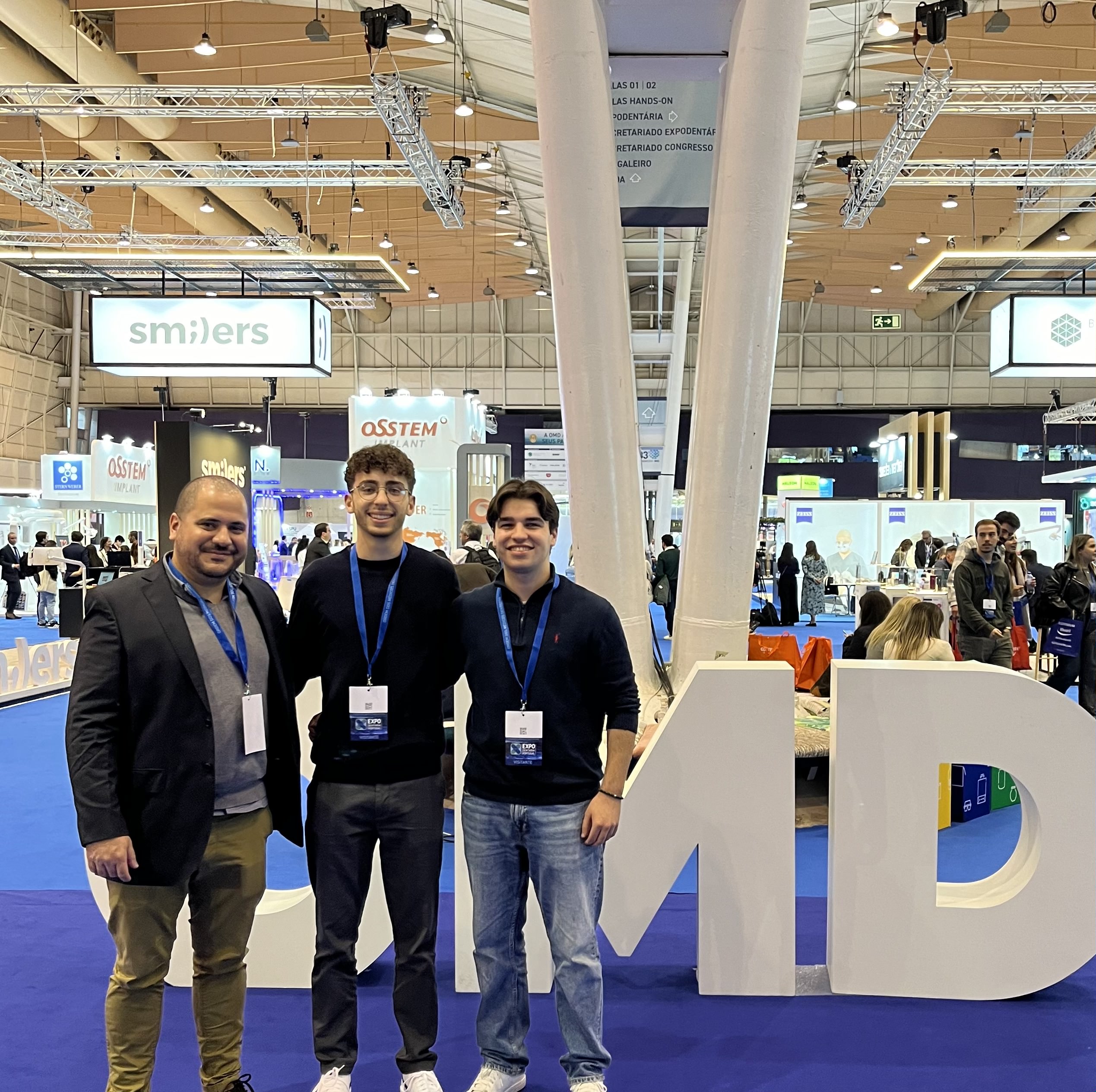
Staying motivated was also difficult. The early excitement faded as we entered the repetitive and uncertain middle phase. No clear wins, no clear path. What helped us stay on track was returning to the small things. A message from a happy client. A small breakthrough in development. A cold message reply that showed we were being taken seriously. These small moments kept us going, and we celebrated them because they were all we had.
One of the toughest parts of the journey was the tension within the team. We didn’t all want the same thing. The two of us believed in creating a lower-priced product that could scale quickly across many clinics.
Our other co-founder had a different vision. He wanted to create high-end custom solutions for larger, premium clients. It took us too long to realise that we were pulling in different directions. If we had aligned earlier, or communicated better, we probably could have moved faster and made better decisions.
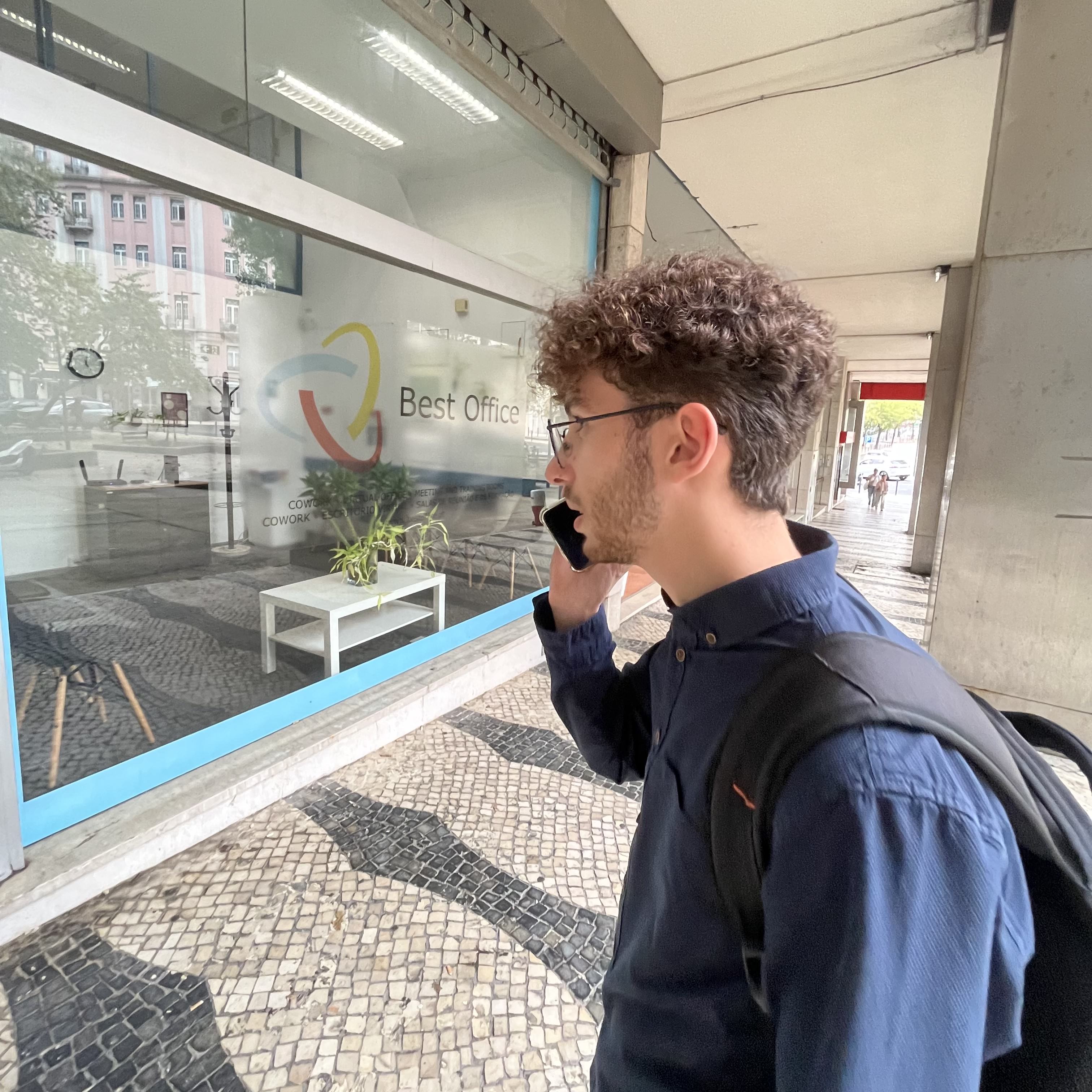
Still, not everything went wrong. We were persistent. We listened to clinics. We kept showing up. We adapted fast when something didn’t work. And even if we disagreed on how to get there, we all believed in the problem we were trying to solve.
Looking back, we started with just an idea, some courage, and a lot of trial and error. And while our journey with Clead was personal in many ways, it also revealed a lot about the bigger picture around us, especially the environment we were building in.
In the Portuguese startup ecosystem, we saw both strengths and gaps. There are talented people, welcoming communities, and great programs like Junitec’s Apollo that support young founders. But it remains very difficult for early-stage student teams to access meaningful mentorship, visibility, or funding. Most resources are still aimed at more mature startups. For students just getting started, the best way to grow is to build, fail, and learn by doing.
Final thoughts
From our experience, this is what you need to know to start: having everything well defined from the beginning is crucial, though that’s different from having every single detail planned out. The team is everything. In the early days, networking and outreach should take up about 80% of your time. You have to adapt every day. Don’t hold on to definitive plans because something will always happen, and you will need to change course.
Don’t waste time on unnecessary tasks. Focus on what works best and what helps you grow bigger and faster. Maybe you’re not ready, and that’s totally okay. We were not ready for an entrepreneurship project of this level, with no experience and no technical expertise. Now, we plan to gain that experience by working on bigger startups and focusing on learning. Along the way, we met several startup founders who told us they had failed many times before. Failure is inevitable; the key is to learn, adapt, and try again.
Looking forward
Even though this experience ended far from what we expected, we are sure we learned a lot and that it was totally worth it. We feel like completely different people compared to who we were when we started.
Right now, we believe the best next step is to gain more experience in established startups. We want to improve both our soft and hard skills, understand how great teams operate, and be exposed to more structured environments. This will help us become stronger, more prepared, and more thoughtful entrepreneurs when the time comes to start something new again.
We are still deeply interested in entrepreneurship and we know we’ll return to building when the time is right, whether in our own company, or helping another.
If you’re a founder, investor, or team working on something exciting, we would love to connect, learn from you, and contribute however we can (reach out to us on LinkedIn!). And to any student or first-time founder reading this, here’s what we would say: you don’t need permission to start. You just need curiosity, resilience, and the willingness to learn. Start small. Listen hard. And don’t be afraid to try.
Disclaimer: The opinions expressed in contributed opinion pieces are those of the authors and do not necessarily reflect the views of Portugal Startup News.
 Portugal Startup News