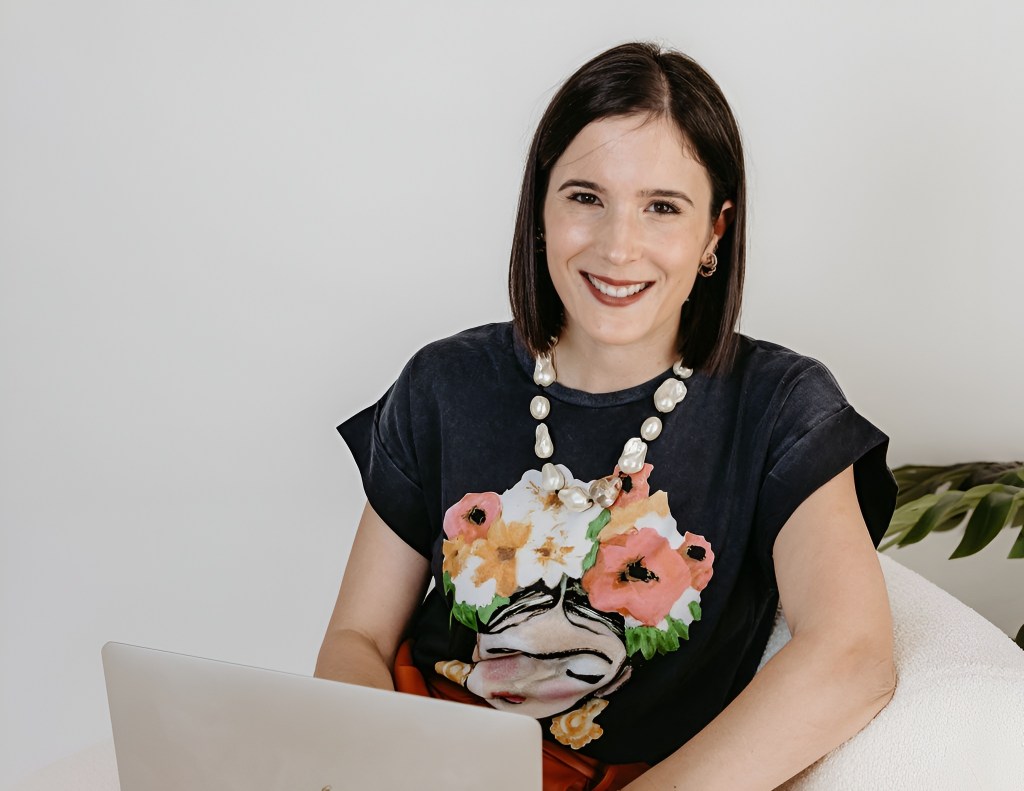
Lira, a Portuguese app, has been launched to support women in managing their daily energy and emotions, with a particular focus on those who are or identify as neurodivergent.
The launch coincided with World Mental Health Day, introducing a practical digital tool that helps visualize the patterns affecting well-being and supports women in making simple, preventive decisions to avoid overload.
Understanding neurodivergence
Neurodivergence is a nonmedical term used to describe people whose brains develop or function differently, resulting in distinct strengths and challenges compared to those considered neurotypical.
Common conditions associated with neurodivergence include autism spectrum disorder, attention deficit hyperactivity disorder (ADHD), and social anxiety. However, since there are no medical criteria or formal definitions of what it means to be neurodivergent, other conditions can also fall under this term.
Around 15% of the global population are considered neurodivergent, though this figure likely underestimates the true prevalence due to historical underdiagnosis and difficulties in identification.
In particular, neurodivergence in women is often misunderstood, underdiagnosed, or misinterpreted, as its characteristics can present differently from those typically seen in men.
These gaps in recognition highlight the importance of awareness and early intervention, as research shows that accurate diagnosis and tailored support can significantly improve mental health and quality of life.
Need for gender-responsive tools
This global reality is also reflected in Portugal, where broader mental health indicators point to a similar need for accessible and gender-responsive approaches. Over 30% of the population aged 16 and older report symptoms of generalized anxiety, with women showing higher prevalence rates.
Lira aims to respond to this need by combining clinical insight and technology to help women better understand their emotional and physical well-being.
The app allows users to track their energy, emotions, menstrual cycle, and daily habits. Based on these patterns, it generates personalized insights and recommendations that support everyday decisions – such as recognizing when to rest, focus, or engage in meaningful activities.
Bringing clinical experience into technology
“It’s not another productivity app. It’s an app about humanity. The clinic taught me to listen. Lira helps women listen to themselves,” neuropsychologist Mariana Lucas Aguiar – who developed the app after more than a decade of clinical experience at the Neurodevelopment Center of Hospital da Luz and as co-founder of Clínica Apego – said in a statement.
Drawing on her years of professional experience – and her own lived experience with ADHD – Aguiar saw how invisible many of these struggles remain and how urgently accessible and affirming tools are needed.
“Many women grow up without realizing they are neurodivergent. They spend years feeling different, exhausted, and overwhelmed, often with diagnoses that don’t tell their whole story,” she says.
In clinical practice, she says she has seen a recurring and very striking theme: many of these women were on the edge of burnout, some already on medical leave because simply getting out of bed had become their only goal for the day. Aguiar explains that, as a woman with ADHD, she has experienced firsthand how hard it can be to manage energy, attention, and expectations.
Helping women recognize their own patterns
Lira addresses two essential therapeutic dimensions: helping women identify what drains and what restores their energy, while offering tailored recommendations and bringing a “piece of the therapist” into their pocket.
While designed with neurodivergent women in mind, Lira can also benefit any woman seeking to understand her energy patterns and emotional balance – particularly at a time when mental health-related conditions are increasing globally.
Self-assessment feature
Although the app itself does not currently include a screening feature, the Lira website offers a self-reflection tool to help users explore signs of neurodivergence. The Adult Autism Screening Test includes questions based on scientific research and provides a personalized analysis of responses.
The site explains that the test is intended solely for self-reflection and does not replace a professional clinical evaluation. It adds that the results are not diagnostic and advises users who suspect signs of neurodivergence to consult a qualified specialist.
The Lira app is available for iOS through the App Store and for Android via the Google Play Store, as part of Aguiar’s mission to “democratize access to mental health tools through technology,” informed and inspired by her personal and professional experience.
Featured image: Neuropsychologist Mariana Lucas Aguiar, whose mission to democratize access to mental health tools through technology is shaped by her personal and professional experience. (Photo courtesy of Lira)

 Portugal Startup News
One response to “World Mental Health Day: Lira launches to support neurodivergent women ”
[…] See also: World Mental Health Day: Lira launches to support neurodivergent women […]