Algarve Evolution, a Faro-based organization working to strengthen southern Portugal’s innovation ecosystem, has outlined ambitions to support 500 companies, help create 150 new startups, and impact 50,000 people across the region by 2032.
The objectives reflect Algarve Evolution’s strategic shift in 2026 from community building to business growth, as it connects entrepreneurs, investors, universities, businesses, and public institutions to help diversify the economy beyond tourism.
“We have built the ecosystem. We now need to actually make the ecosystem work,” Antonio Guerreiro, executive director of Algarve Evolution, told Portugal Startup News.
For Guerreiro, the priority is turning the Algarve’s existing talent and resources into measurable economic value and establishing the region as a place where people can “live, work, and succeed.”
Building an economy beyond tourism
Tourism remains central to the Algarve’s economy. According to the Algarve Sustainable Tourism Observatory, the region recorded 20.82 million overnight stays and approximately €1.8 billion in tourism revenue in 2025, accounting for 25.4% of Portugal’s overnight stays.
Algarve Evolution’s objective is not to replace tourism but to broaden the economic opportunities available in the region, while helping established industries become more innovative and competitive.
An Informa D&B study on the Algarve’s startup ecosystem, presented in November 2025, found that the Algarve had 115 startups in 2024. The report indicates 16% growth in the region’s startup population.
Together, those startups generated approximately €25 million in annual turnover, employed 365 people, and recorded €13 million in exports. Information technology and communication businesses accounted for 78% of the startups identified in the study.
The same research found that Algarve startups recorded compound annual turnover growth of 29% between 2021 and 2024, compared with 24.2% for startups nationally. Employment grew at an annualized rate of 20.4%, also exceeding the national startup average of 17.6%.
However, the ecosystem remains relatively small. The study indicates that 95% of Algarve startups were microenterprises employing fewer than 10 people, highlighting the challenge of helping young businesses grow.
From a local initiative to a regional organization
Algarve Evolution traces its origins to 2018, when a small group of local entrepreneurs began developing the region’s innovation community.
Today, its three strategic pillars focus on preparing talent for entrepreneurship and employment, supporting startups and small and medium-sized businesses (SMEs) in creating and growing businesses, and connecting companies, institutions, investors, and professionals across the region.
The organization currently has 118 active members, whose businesses collectively generate approximately €100 million in annual turnover and account for around 1,000 direct jobs.
It also reports organizing more than 142 events during 2024 and 2025, reaching 5,597 participants, and involving more than 500 students in entrepreneurship activities.
These figures reflect the association’s membership and activities, not revenue or jobs directly generated by Algarve Evolution.
Connecting 24 innovation communities across the Algarve
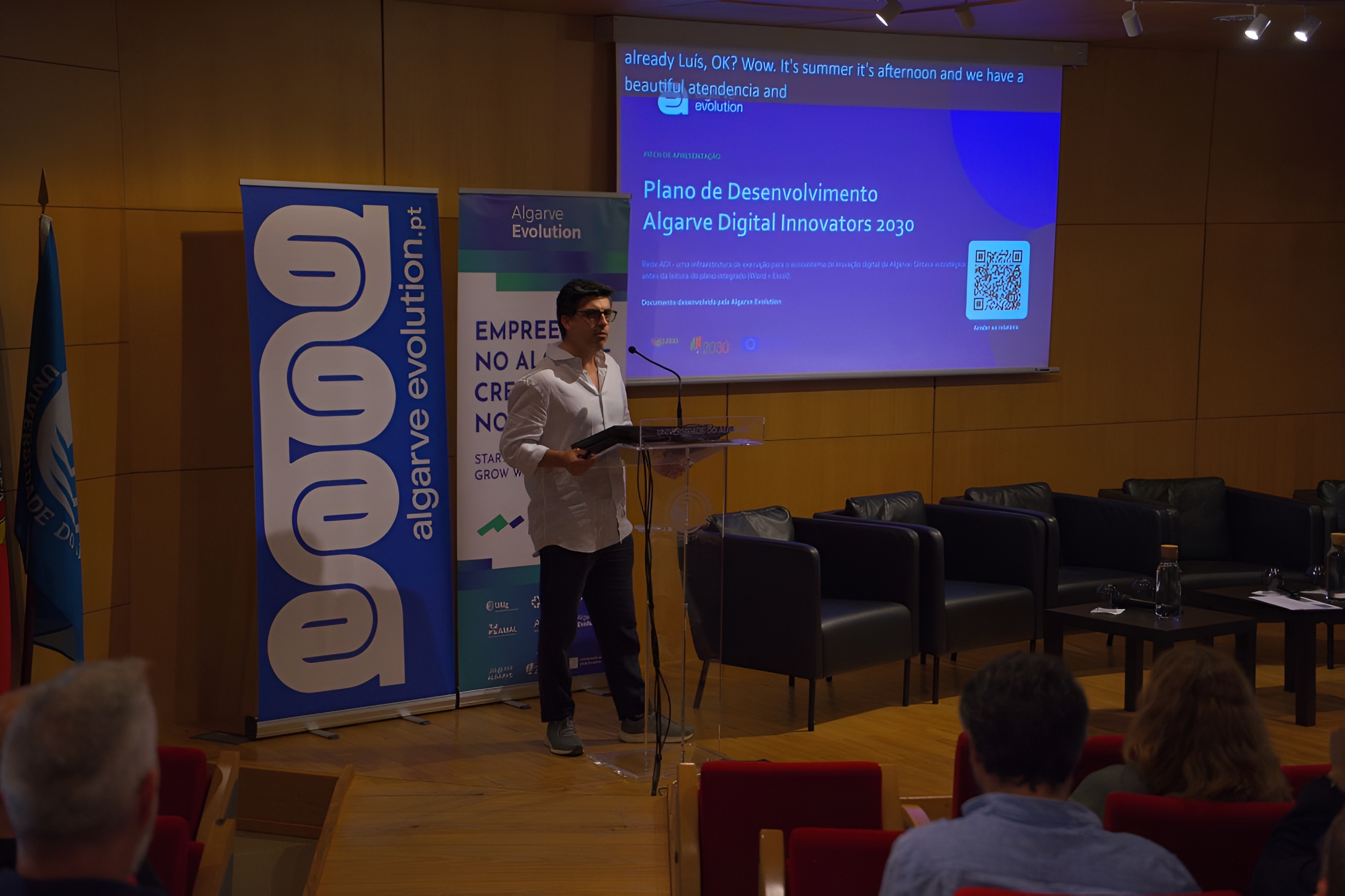
One of the organization’s main initiatives is Algarve Digital Innovators (ADI), a collaborative network bringing together entrepreneurs, digital professionals, consultants, investors, remote workers, and community leaders.
Developed through the Algarve EMPREENDE 2026 project, it seeks to connect innovation communities across all 16 municipalities of the Algarve.
According to the Algarve Digital Innovators 2030 Development Plan, published in July 2026, the network has identified 24 communities with a combined 5,839 memberships, alongside 144 consultants and mentors and 18 potential investors.
The membership figure does not necessarily reflect the number of unique individuals.
The development plan identifies six areas of intervention and 15 actions scheduled between 2027 and 2030, covering education and knowledge transfer, entrepreneurship, SME upskilling, internationalization, institutional capacity-building, and governance.
Planned initiatives include innovation laboratories, entrepreneurship bootcamps, mentoring, hackathons, digital and AI training for SMEs, international talent attraction, investor meetings, and a feasibility study for a regional investment fund.
By 2030, the ADI network aims to support at least 20 new technology companies, facilitate 25 applications to business incentive schemes, train 400 SME participants, support 70 founders through bootcamps and mentoring, and expand to at least 36 active communities. It also targets a minimum of 2,200 participations across its planned activities.
These ADI-specific targets depend on securing funding and coordinating with regional partners.
Supporting founders from education to business growth
Through its education initiatives, the organization works with the University of Algarve to introduce students to entrepreneurship, including validating business ideas.
It also collaborates with Junior Achievement Portugal through “The Company,” a program that introduces high school students to business creation and management through a simulated company experience.
Another initiative is Vibathon Algarve, a challenge-based format that brings students, professionals, and entrepreneurs together to develop early-stage solutions to practical problems.
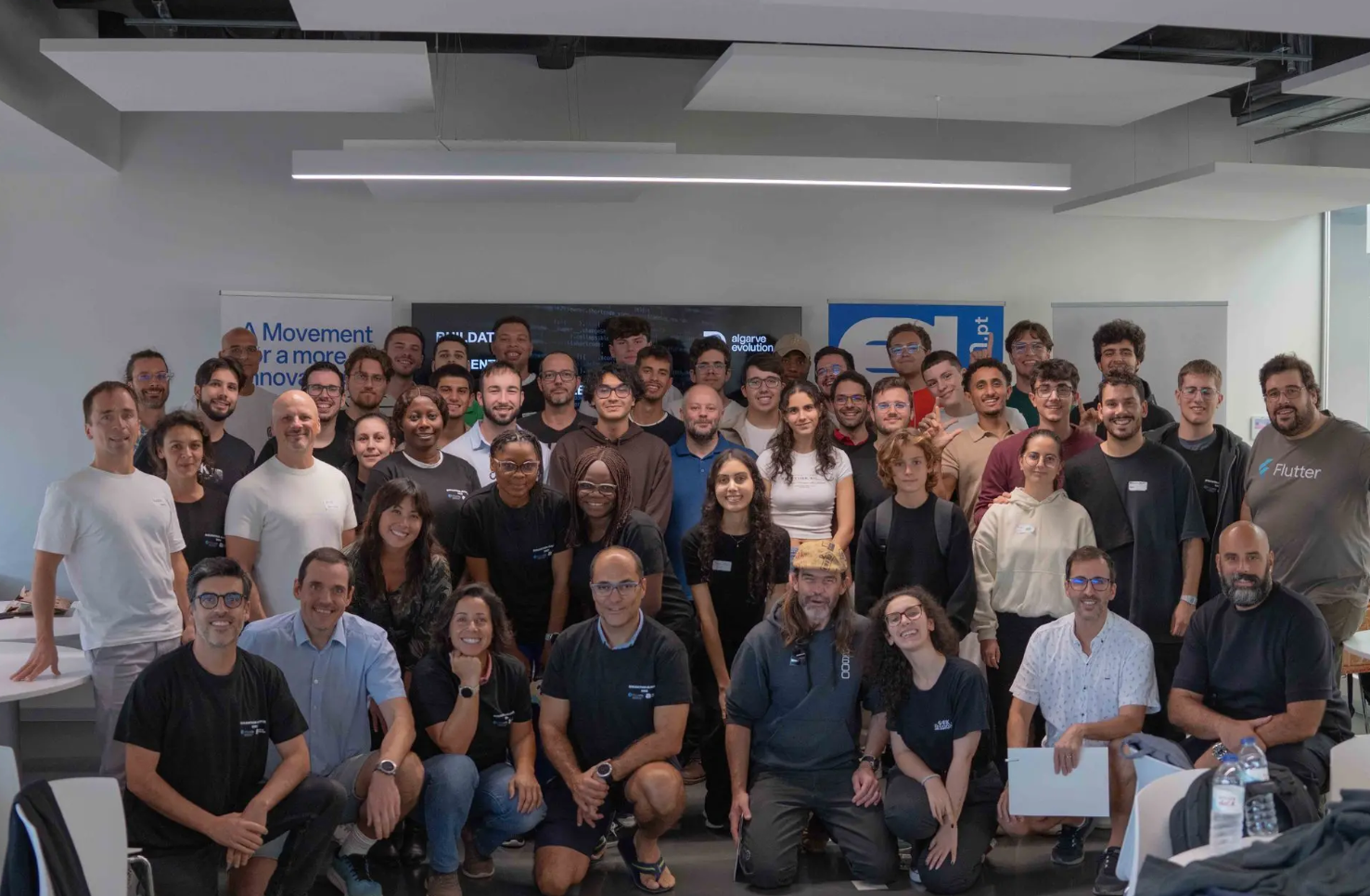
For existing businesses, the Algarve Evolution Incubator focuses on mentoring, strategic guidance, business development, and access to experienced entrepreneurs, specialists, and institutional networks.
The incubator was officially recognized by Startup Portugal in January 2026.
Launched in October 2026, its growth program, Founder2Founder, selected eight companies from 41 applications for its inaugural cohort.
The six-month program is designed for founder-led businesses that already have products or services in the market, paying customers, and ambitions to grow.
Each participating company is paired with an experienced mentor and develops an individual growth plan based on three measurable performance indicators. The program includes regular mentoring sessions, monthly reviews, and practical workshops covering areas such as sales, artificial intelligence, and fundraising.
Selected companies pay a participation fee and must become Algarve Evolution members. The program does not take equity.
A separate early-stage incubation program is planned for 2027, focusing on entrepreneurs who are still validating their ideas, developing initial products, or seeking their first customers.
Bringing AI and robotics into Algarve tourism
Through INOVA ALGARVE 3.0, Algarve Evolution leads the Digital Transition Program for Algarve Tourism Companies, helping tourism SMEs explore how artificial intelligence and robotics can improve operations, customer experiences, and productivity.
As part of the project, Algarve Evolution launched a pilot program offering free, personalized technical consultancy on AI and robotics adoption to 20 tourism SMEs.
Bringing universities, businesses, and municipalities together
The Algarve Innovation Hub approach is based on the Quadruple Helix Model, connecting academia, businesses, public institutions, and society.
It identifies digital technologies as enablers across sectors including tourism, the maritime economy, health and longevity, environmental sustainability, natural resources, and the cultural and creative industries.
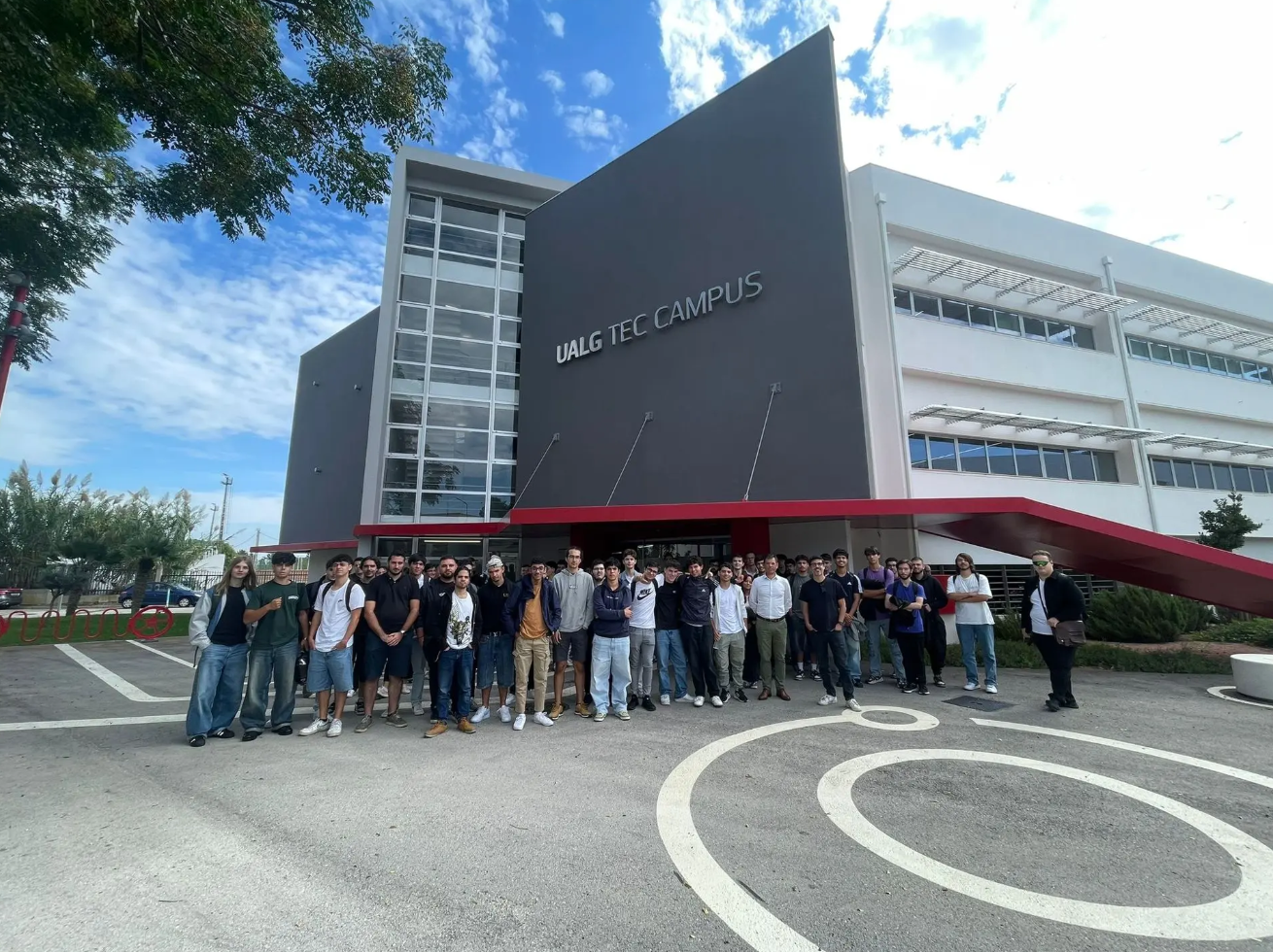
This builds on the Algarve Tech Hub, a regional initiative involving Algarve Evolution, the University of Algarve, Algarve STP, and other partners.
Its Strategic Plan for Internationalization, published in June 2023, prioritized attracting international talent and companies, research partnerships, investment access, and economic diversification.
It also identified challenges including recruitment difficulties, limited private investment in research and development, uneven municipal participation, and poor coordination between regional initiatives.
Algarve Tech Hub Summit to return in 2027
Algarve Evolution co-organizes the Algarve Tech Hub Summit, launched in 2022, alongside the University of the Algarve and Algarve STP.
Algarve Evolution contributes to program development and showcases regional innovation. The organization and Algarve Tech Hub have confirmed that the summit will return in 2027, although dates and venue have not yet been announced.
Turning regional potential into economic opportunities
Algarve Evolution’s longer-term challenge is translating the region’s existing advantages into sustainable economic activity.
For Guerreiro, the underlying argument is that access to entrepreneurship and technological innovation should not depend on proximity to Portugal’s established technology centers.
“Innovation does not have a zip code,” he told Portugal Startup News.
Featured image: Antonio Guerreiro, executive director of Algarve Evolution (Photo courtesy of Algarve Evolution)