Spinnable has launched Spinnable ID, a new product that gives Claude and ChatGPT their own identities, allowing them to communicate and manage tasks on users’ behalf without impersonating them.
The product aims to address challenges of AI assistants using people’s accounts to communicate under their names, such as uncertainty over who sent a message, what was promised, and what still needs attention, according to a press statement.
With Spinnable ID, AI assistants can manage their own conversations and follow-ups while making clear whom they represent.
Founded in 2025 by Vasco Pedro, Fábio Kepler, and Gil Coelho, Spinnable develops AI workers designed to work alongside people and act on their behalf.
“We believe every AI worker should have its own identity,” said Pedro, Spinnable’s CEO. “The internet was built around people, but as AI takes on more of our work, it will need identities of its own.”
Pedro has also explained how delegating work to AI can leave people acting as what he calls a “meat proxy,” still having to manage communication around tasks they have handed over.
He also raises concerns about whether AI represents users as they intended when communicating on their behalf.
How Spinnable ID works
Spinnable ID gives users’ existing Claude or ChatGPT assistant a name, face, email address, and WhatsApp number. Users can communicate with their AI through WhatsApp or email without switching between applications.
For example, users can configure a daily briefing to receive WhatsApp messages summarizing meetings, priorities, and ongoing tasks, then reply directly to request further assistance.
Through email, they can forward proposals for analysis, copy their AI assistant into conversations to coordinate meetings or introduce it to colleagues and customers. The AI can respond from its own email address, manage replies and follow up on outstanding tasks while identifying itself as the user’s assistant.
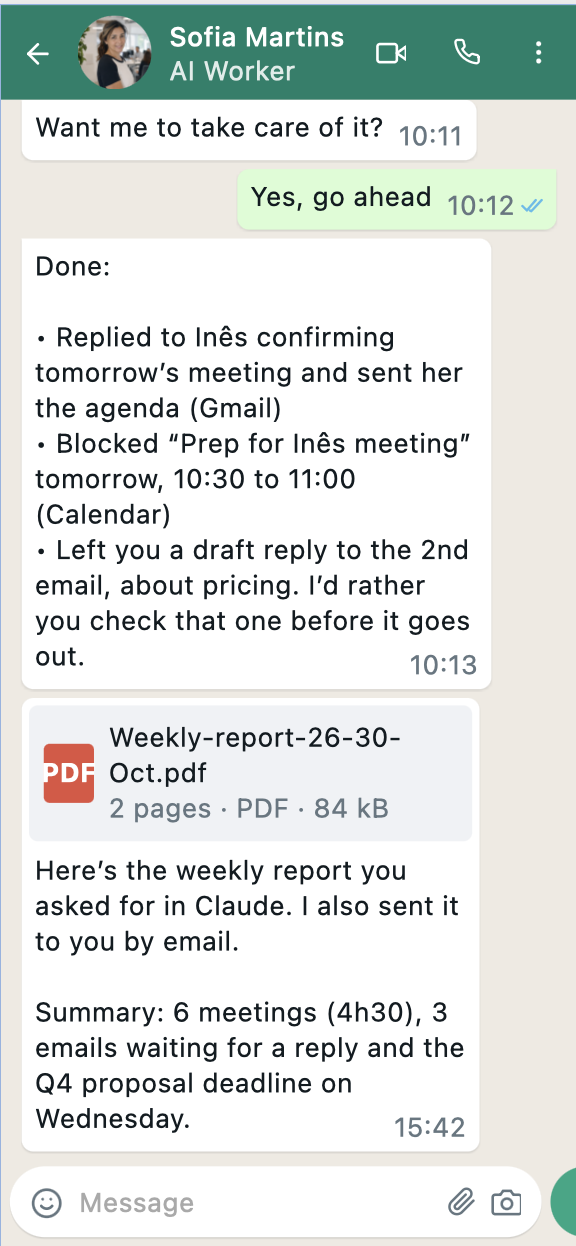
Other applications include requesting quotes, following up on bookings, and coordinating meetings. The product uses the context and supported connections available through users’ existing AI subscriptions, including calendars and documents.
“For most people, using AI still means leaving what they’re doing and going to the AI,” Pedro said. “We think it should be the other way around. Your AI should be in your WhatsApp and your inbox, where you already work.”
Availability and future plans
Spinnable ID is free to set up and works with paid Claude and ChatGPT subscriptions, including ChatGPT Go. No additional software needs to be downloaded, and users continue using their existing AI subscriptions rather than adopting a separate assistant.
The company plans to introduce Business and Enterprise versions but has not specified release dates.
Spinnable ID was introduced at Web Summit in Lisbon, building on the company’s earlier work developing AI workers, which it presented at the event in 2025.
Spinnable reports using 47 AI workers alongside its eight-person team in its own operations.
See also: Spinnable opens public access, allowing users to hire AI workers in minutes
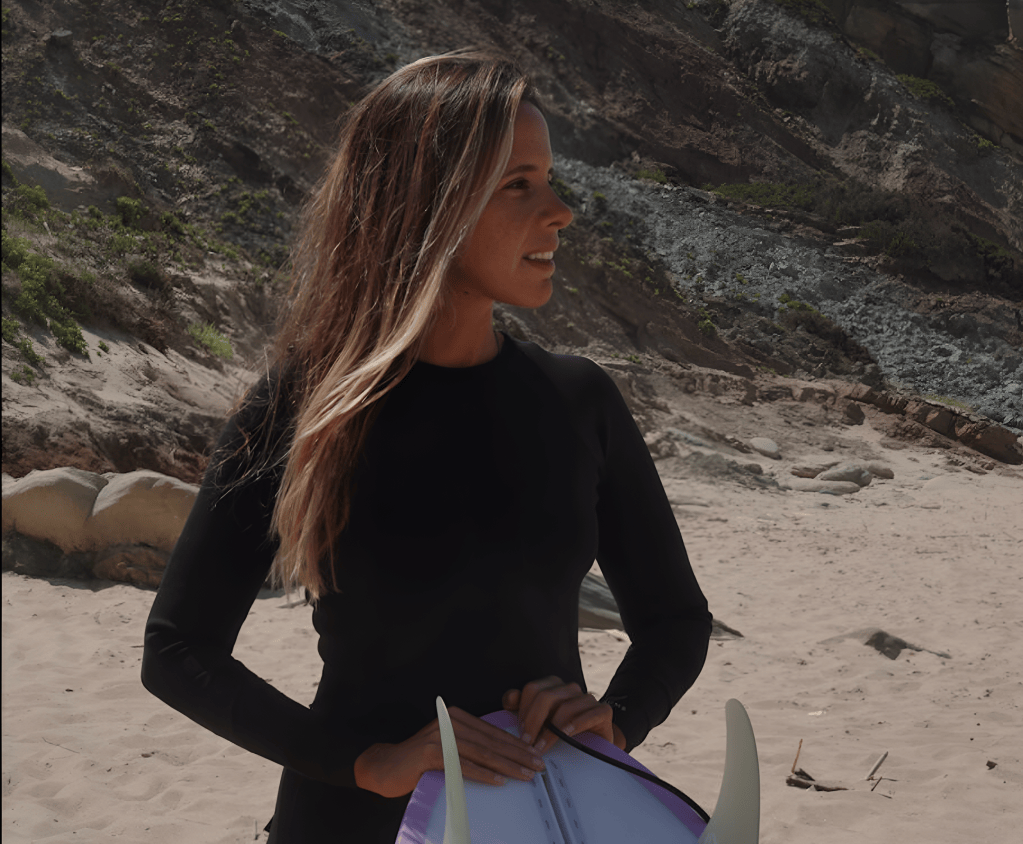
Featured image: Vasco Pedro, Spinnable co-founder and CEO (Courtesy of Spinnable – modified for size)