Lunia, a Portuguese femtech startup building a long-term health data system for women, has launched its first prototype and opened access to an initial cohort of beta testers, while preparing to raise €300K in a pre-seed round.
The company describes its approach as “longitudinal intelligence infrastructure,” a system designed to collect and interpret health data over time rather than through isolated interactions.
It is initially focused on perimenopause and menopause, with plans to expand across all stages of women’s health.
The goal is to build continuity in a fragmented system, Ana Lima, co-founder and CEO, who holds a PhD in Materials Engineering and an MSc in Biophysics and Bionanosystems, told Portugal Startup News.
A shift from tracking to continuous understanding
Lunia positions itself as a digital health platform that replaces traditional symptom tracking with continuous, conversational data collection. Instead of forms or checklists, users interact with an AI companion called Luni, which captures health experiences in natural language.
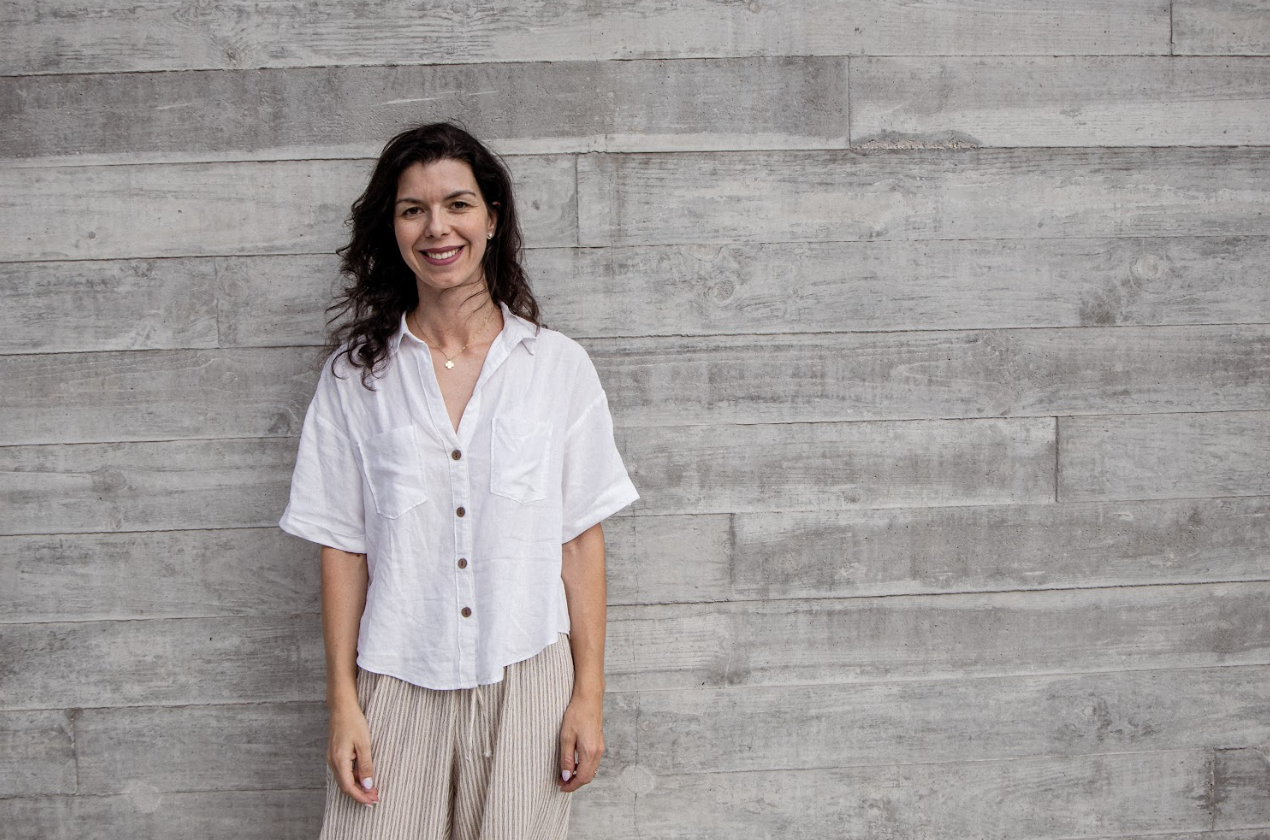
“Women talk to Luni the way they would talk to a trusted friend – naturally, in their own words, in their own time,” Lima said, adding that over weeks and months those conversations become structured data that forms a coherent, longitudinal health story.
“The context does not reset. It compounds,” she explained.
According to Lima, the issue in this space is not a lack of medical expertise, but a lack of continuity in how information is captured and carried forward.
“Women’s biology is continuous. The care is episodic,” she said, adding that their solution aims to close that gap.
The system generates structured clinical reports intended to support medical consultations. The company emphasizes that it is not a diagnostic tool, but a contextual layer designed to improve clinical understanding.
Founded in Viana do Castelo, Lunia is targeting 1,000 active users in its first year of full operation and expects its first recurring revenue by the end of 2026.
A longitudinal health system built in-house
Co-founder and CTO Filipe Manso, a systems engineer by training, said this continuity requirement shapes the entire system design.
“Building a system that genuinely compounds context over time, rather than just storing data, is a fundamentally different engineering challenge. Most health platforms are transactional. Lunia is longitudinal. That changes everything from the data model to the conversation layer.”
He added that the platform was built in-house to preserve depth and control.
“The conversational layer is built for quality and warmth, but the moment data becomes sensitive, everything runs locally, on our own infrastructure, under full control,” he said.
Sensitive data, he noted, is handled in line with GDPR requirements.
According to Manso, early design decisions were driven by trust rather than speed. “In women’s health, trust is the product.”

Focus on perimenopause as a starting point
The startup is initially targeting perimenopause and menopause, a phase Lima describes as both prolonged and structurally misunderstood.
“We chose perimenopause deliberately. It is one of the most complex, most prolonged, and most systematically dismissed transitions in a woman’s life,” Lima noted.
She added that symptoms, including brain fog, palpitations, insomnia, mood instability, and irregular cycles, are frequently treated in isolation, masking broader patterns over time.
“Alone they are easy to dismiss,” she said. “Together, over time, they form a story that has never had a place to exist.”
Lima also described a gap in how women interpret their own symptoms before reaching clinical care.
“I’ve sat with women who told me they thought they were losing their minds. That they Googled their symptoms at 3 a.m. and found seventeen contradictory explanations. That they went to their doctor and left more confused than when they arrived. Lunia gives women a continuous health narrative in a format that actually means something when they walk into that room.”
Addressing misinformation and AI limitations
Lima highlighted what she sees as an accelerating problem in digital health: the spread of confident but unreliable information.
“Access to information has not meant access to reliable information,” she said. “In many ways, it has made the noise louder.”
She warned that AI tools can reinforce this issue. “They sound authoritative, but they are trained on data that has long underrepresented women,” she said.
Lunia, she said, is designed to address that issue. “We are building something clinically bounded and evidence-informed, built specifically around the patterns of women’s health.”

Market opportunity and expansion plans
The company cites major demographic and market tailwinds, including projections that the global population of menopausal and postmenopausal women will reach 1.2 billion by 2030, with 47 million new entrants each year.
Menopause carries significant economic costs, affecting women through out-of-pocket healthcare expenses and impacting the wider economy through absenteeism, reduced productivity, and workforce losses. Research has found that one in 10 women have quit their jobs due to menopause.
Lima believes the scale of the opportunity is often misunderstood, pointing to estimates that the global femtech market will surpass $97 billion by 2030.
“Fifty percent of the global population is not a niche,” she said, adding that menopause alone represents a significant portion of a woman’s life. “It can be up to 40% of a woman’s life, yet it remains one of the least supported transitions.”
Lunia is starting in Portugal, before expanding into the United Kingdom, Netherlands, and Nordics, with long-term plans for global scale.
Early traction and business model
The startup operates a dual model combining B2C subscriptions with a B2B2C strategy targeting employers, insurers, and clinical partners.
Initial milestones include a live prototype with a beta cohort, a growing waitlist ahead of official launch, user and clinician interviews, and one clinical partnership under discussion.
The startup has received support from FemTech Portugal, which has helped connect the team to relevant networks within the local ecosystem.
“We are starting with perimenopause,” Lima said. “But the vision is to accompany a woman across her entire life, from her first period to her last. Every phase she lives through deserves this level of intelligence and continuity.”
Read more: FemTech Portugal publishes ‘first’ femtech ecosystem map, identifies gaps
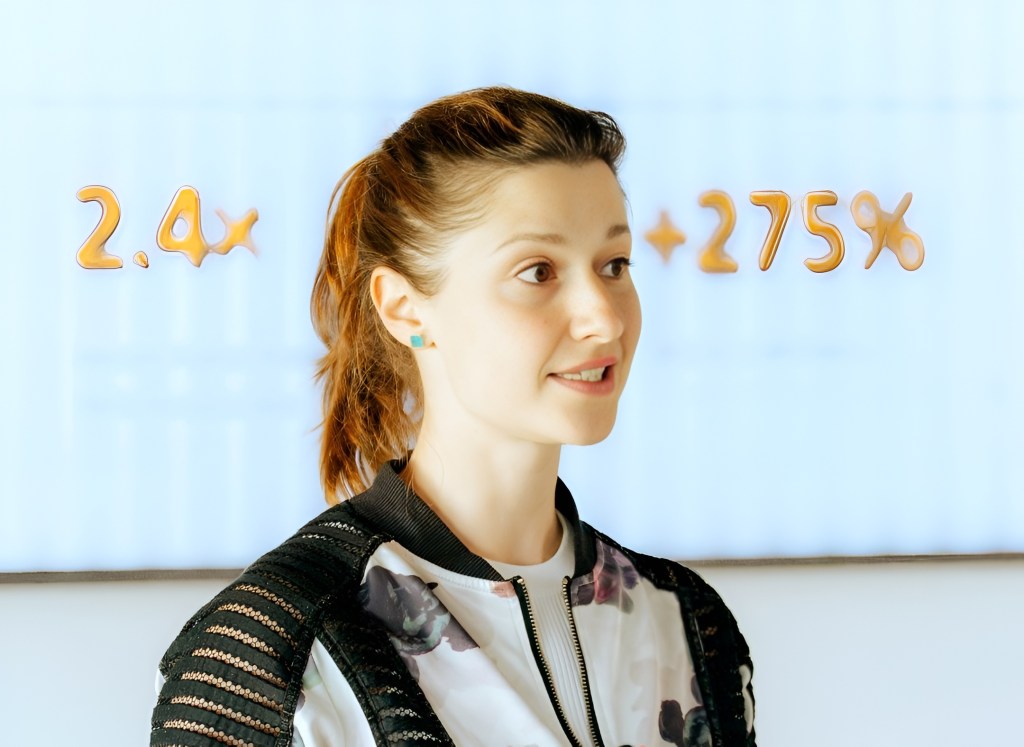
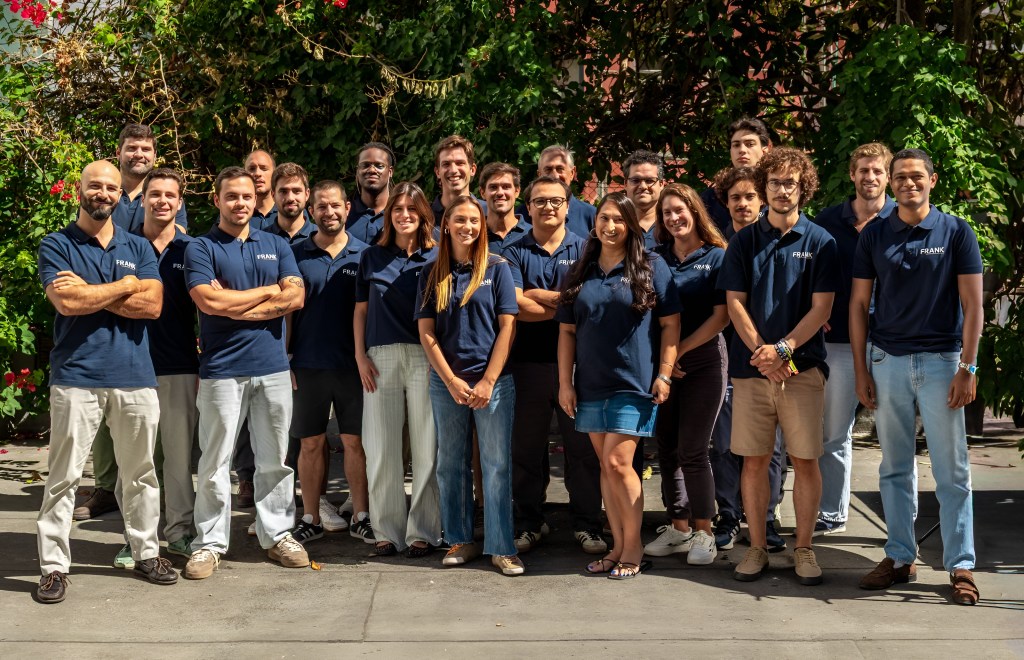
Featured image: Lunia co-founders Filipe Manso (left) and Ana Lima
Disclaimer: This article is for journalistic purposes only and is not intended to promote investment in the company mentioned or constitute investment advice.