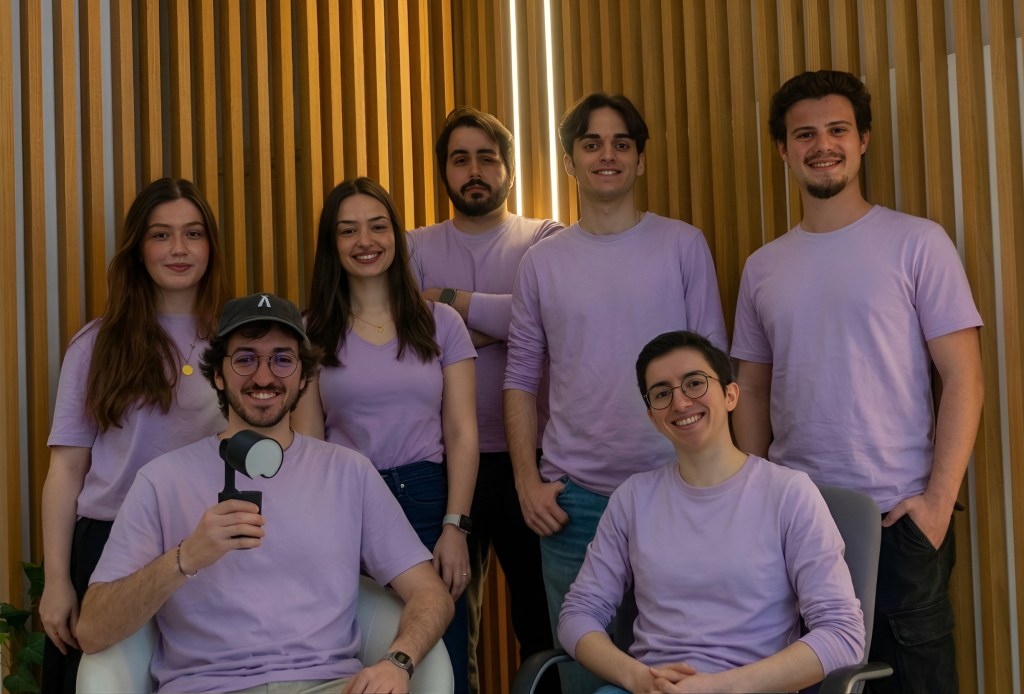
Lampsy Health is preparing to ship its first epilepsy monitoring devices in September after building a waiting list of more than 5,000 people living with the condition and their caregivers, as it prepares to expand across Europe and later enter the U.S. market.
Founded by CTO Leonor Pereira and CEO Vicente Mayer Garção, the Portuguese startup has developed a computer vision-based monitoring system that detects movements associated with tonic-clonic seizures and sends real-time alerts when they occur.
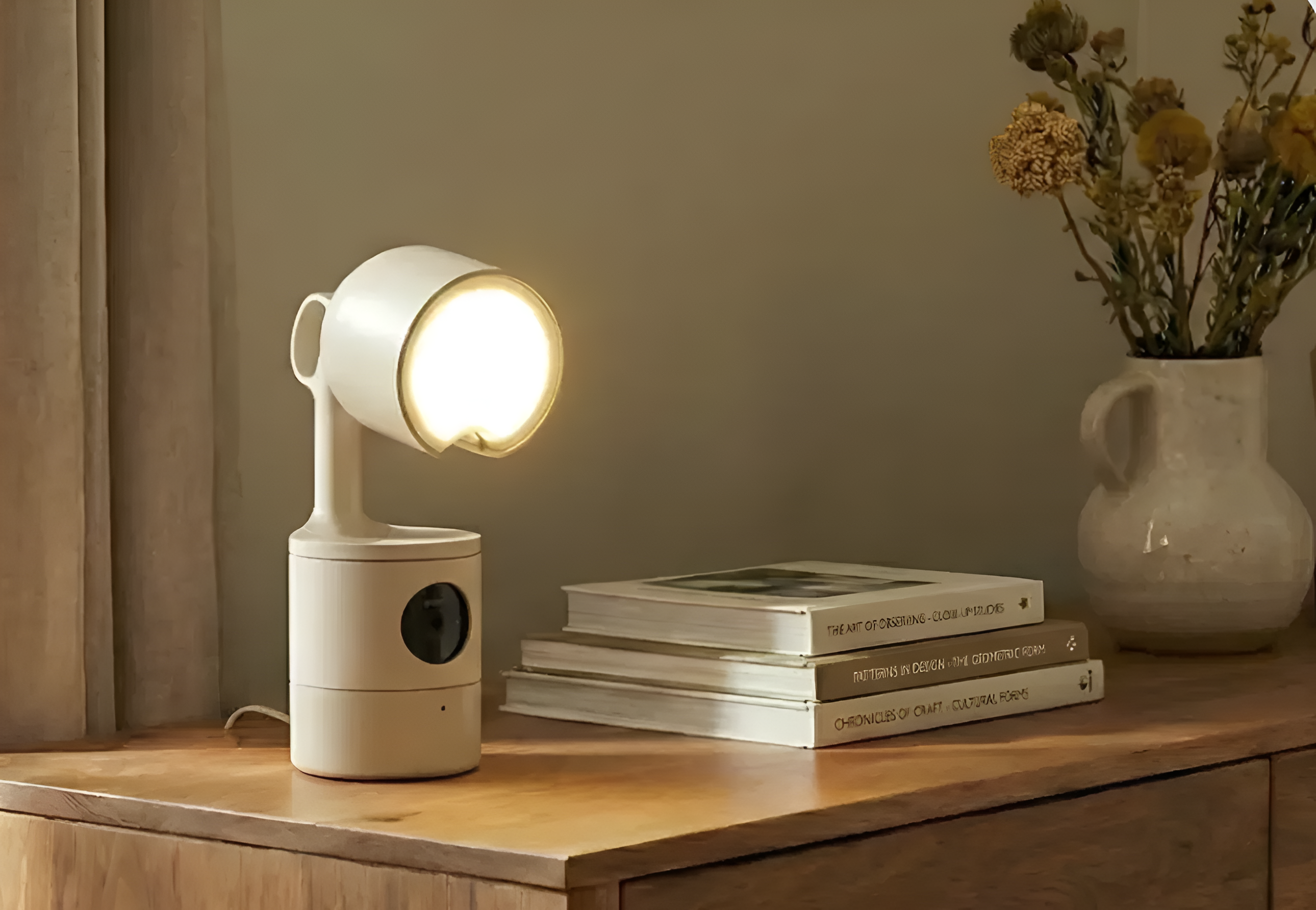
Designed to look like an ordinary bedside lamp rather than a medical device, Lampsy continuously monitors a room without requiring the user to wear sensors.
Monitoring does not depend on the lamp being switched on, with infrared technology allowing it to operate in both daylight and darkness. The device automatically contacts emergency contacts through phone calls and mobile notifications.
The company says the design is intended to help the device blend naturally into a home and reduce the stigma often associated with medical devices. It can be set up in “less than 10 minutes.”
Speaking to Portugal Startup News, Garção said production is already underway, with the first customer shipments expected to begin in September.
He said the company already ships to customers across the European Union and the United Kingdom. The initial commercial rollout is focused on Portugal through small-scale pre-orders, allowing the company to gather customer feedback before further expanding across Europe. Lampsy has also established partnerships with several hospitals in Lisbon.
Scaling beyond Portugal
Garção said that alongside its expansion across Europe, the company plans to enter the U.S. market within the next year and a half after completing the FDA clearance process.
Beyond regulatory approvals, the company sees insurance reimbursement as another important step toward making the technology more widely accessible.
“Our goal is to secure insurance reimbursement in the future, as soon as possible,” Garção said, pointing to recent legislation in the U.S. state of Illinois requiring insurance coverage for FDA-cleared seizure detection devices as an encouraging sign for the epilepsy monitoring market.
A widespread but misunderstood condition
Epilepsy affects around 50 million people worldwide, making it one of the most common neurological diseases, according to the World Health Organization.
The organization says people living with epilepsy and their families often face stigma and discrimination, while many epilepsy-related injuries and causes of death, including falls, drowning, burns, and prolonged seizures, are potentially preventable.
It also notes that people living with epilepsy have higher rates of psychological conditions, including anxiety and depression. Persistent stigma and misunderstanding can also create barriers to education, employment, and access to health and life insurance.
Privacy and clinical validation
The Lampsy device includes several privacy options. According to the company, it can process motion data without the need to record or store identifiable images, with all processing taking place locally on the device. When recording is turned off, no video data leaves the device.
Users can also choose to record videos of up to two minutes when abnormal movements are detected, allowing them and their physicians to review events and identify seizure patterns.
The device includes a manual privacy cover that can be rotated to physically block the camera whenever monitoring is not required.
Lampsy says the technology was developed with neurologists and validated by leading European hospitals. During clinical testing, it achieved more than 99% accuracy in detecting convulsive movements while averaging 0.05 false alarms per day.
Lampsy is intended for adults and children aged two and older. The company emphasizes that it is designed to complement, not replace, medical supervision, diagnosis, treatment, or medication, while helping provide greater peace of mind for people living with epilepsy and their caregivers.
Recognition and next steps
Lampsy Health recently won the Portuguese edition of Startup World Cup and will represent the country at the global final in San Francisco later this year, where startups will compete for a $1 million investment prize awarded by Pegasus Tech Ventures.

Lampsy co-founders Pereira and Garção were also named to the Forbes Portugal Under 30 Class of 2026 for their work developing the epilepsy monitoring platform.
Looking ahead, Garção said the company will focus on reaching more people living with epilepsy by expanding physician adoption and securing insurance reimbursement.
“We want to make sure we’re reaching as many people with epilepsy as possible. That means finding them where they are, reaching doctors who can recommend the device, and convincing insurers to reimburse it,” he said.
Garção added that success over the next 12 months will ultimately be measured by the impact the technology has on families.
“Success for us means measurable outcomes in people’s lives, making epilepsy easier for caregivers to manage and bringing safety and peace of mind to thousands of people suffering with epilepsy,” he noted.
Featured image: The Lampsy Health team (Photo courtesy of Lampsy Health)




One response to “Lampsy Health prepares September rollout of epilepsy monitoring device with 5,000+ on waitlist”
[…] Read more: Lampsy Health prepares September rollout of epilepsy monitoring device with 5,000+ on waitlist […]