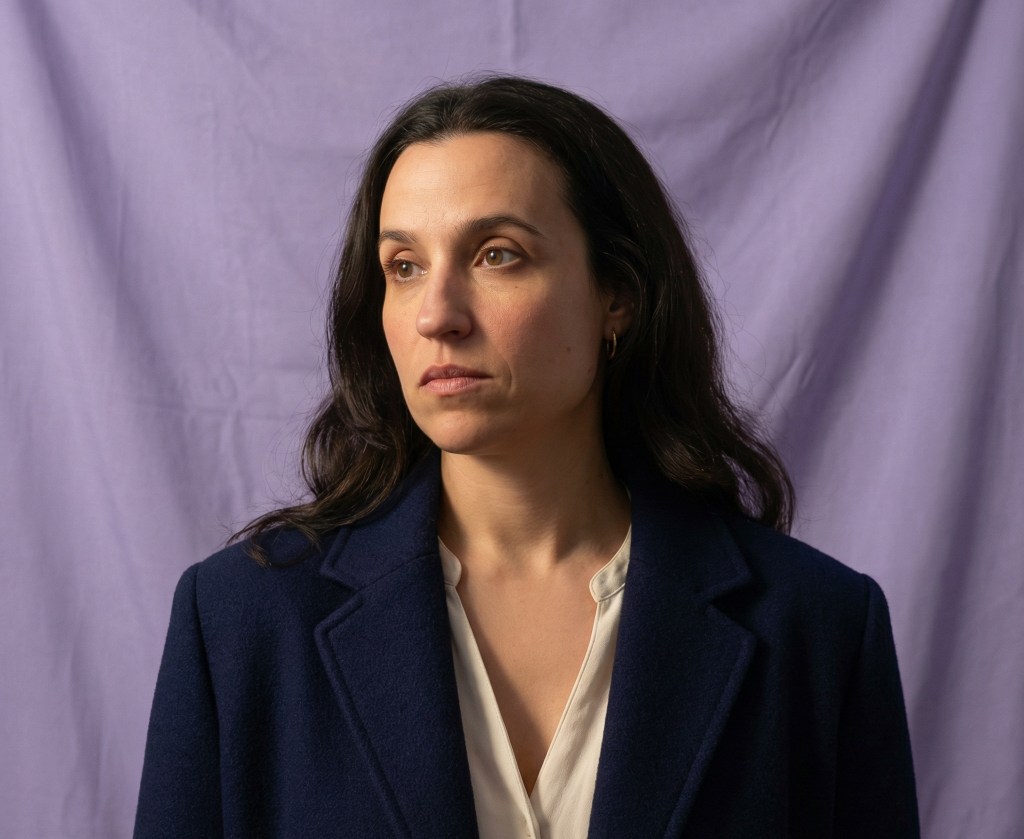
Lisbon-based femtech startup Velaia has completed the minimum viable product of its postpartum mental health platform and is entering a testing phase as it prepares to begin pre-seed fundraising conversations.
The company, founded by Laura Cortes, is developing a phygital support ecosystem for postpartum mothers, combining an AI-powered journaling companion, a WhatsApp peer community, and practitioner-led group discussions.
As shared with Portugal Startup News, the fundraising plans are intended to support expanded product testing, community growth, and partnerships with clinicians and practitioners. Velaia did not disclose a target amount for the planned pre-seed round.
The launch comes as maternal mental health continues to receive increasing global attention. According to the World Health Organization, about 13% of women who have recently given birth experience a mental disorder, most commonly depression, with rates reported to be higher in developing countries.
The WHO describes maternal mental health as a major public health challenge, noting that untreated severe maternal distress can lead to self-harm or suicide risk and can also affect a mother’s ability to function, with potential consequences for a child’s growth and development.
At the same time, the organization emphasizes that maternal mental disorders are treatable, and that effective interventions can be delivered even by well-trained non-specialist health providers.
Building support between self-help and clinical care
Velaia is targeting what Cortes describes as an underserved area between general wellness resources and formal clinical intervention.
“I became a mother and realized there was a version of struggling that didn’t have a name yet, or at least not one that felt accessible,” she said. “I knew the clinical term. I didn’t know what to do with the months between ‘fine’ and ‘not fine.’ That’s the space I wanted to build something for.”
Mothers using the platform can write journal entries, record voice notes, or upload images. The system generates personalized reflections, highlights emotional patterns over time, and produces reports that users can share with healthcare professionals if they choose.
Cortes said the company’s approach combines several forms of support that typically exist in separate silos.
“Most postpartum support sits at two extremes: self-help content that stays on the surface, or clinical intervention that requires a lot to access,” she said. “Velaia sits in the space between.”
She called the platform’s AI journaling component, peer community, and monthly practitioner-led sessions “layers of the same support system” rather than separate products.
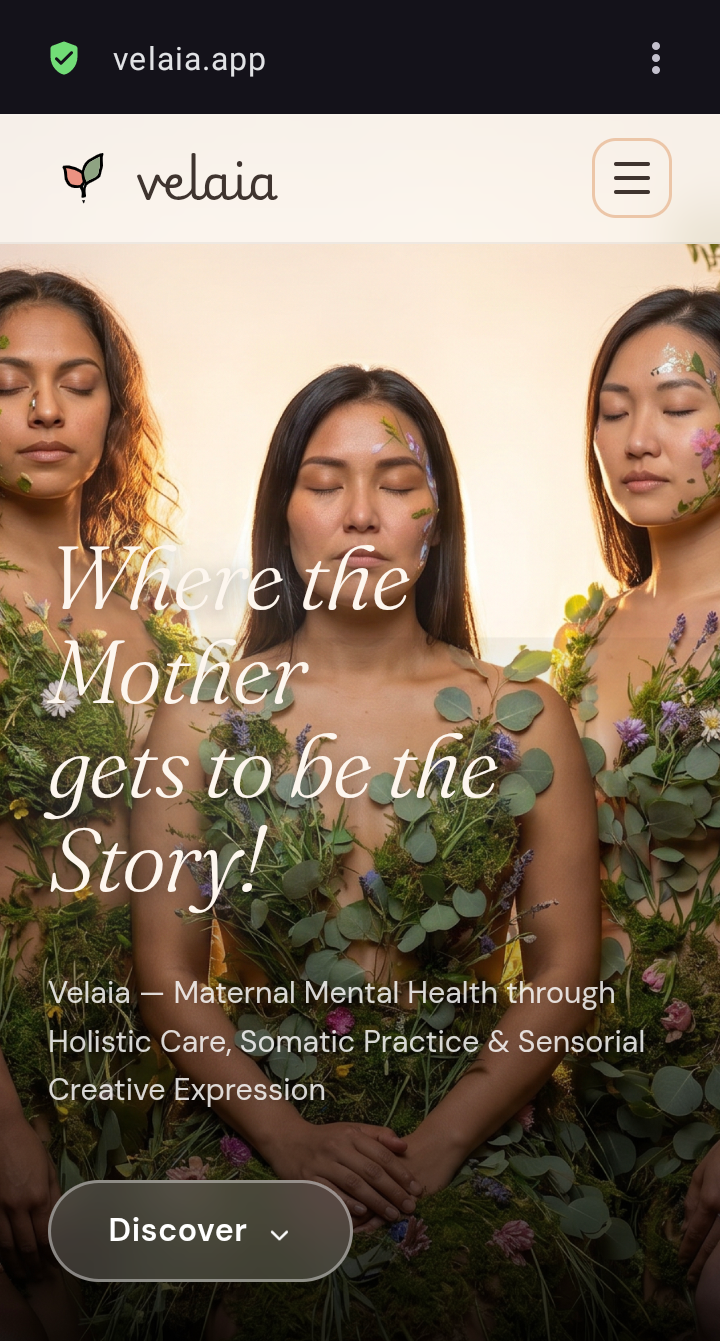
Combining established approaches
The startup says its model draws on existing research around expressive writing, peer support, and emotional tracking.
“There’s real research behind this,” Cortes said. “Expressive writing has been shown to reduce anxiety and improve emotional regulation. Peer support is a validated component of postpartum recovery. And having a consistent record of how you’ve been feeling, patterns rather than just moments, makes it easier to have an honest conversation with a doctor or therapist.”
Velaia’s monthly discussion series, called The Mending Hour, will feature practitioners working in areas including art therapy and creative expression.
Portugal as a starting point
Velaia has already built an early community of postpartum mothers through its WhatsApp group and roundtable sessions. The company also says five practitioners have been confirmed as guest speakers for upcoming Mending Hour events, while discussions are underway with prospective clinical partners regarding collaboration and product testing.
The startup is currently part of two Portuguese incubators, Build Up Labs and Madan Parque, and is supported by an advisory board with expertise in behavioral neuroscience, mental health, and AI UX and conversation design.
Looking ahead, Cortes said Portugal will serve as the company’s initial base before expanding internationally.
“There’s a real opportunity to build maternal mental health infrastructure from Lisbon for a global need,” she said. “Portugal is our starting point, but our first expansion focus is English-speaking markets, including the UK and North America, where postpartum mental health awareness, digital health adoption, and community-led support are already strong.”
As Velaia enters testing and prepares for fundraising discussions, Cortes says its objective is to develop a product that becomes part of mothers’ daily routines while helping them identify when additional support may be needed.
“The goal in twelve months is a product that postpartum mothers return to daily, one that helps them see themselves more clearly and makes the path to support shorter than it is today.”
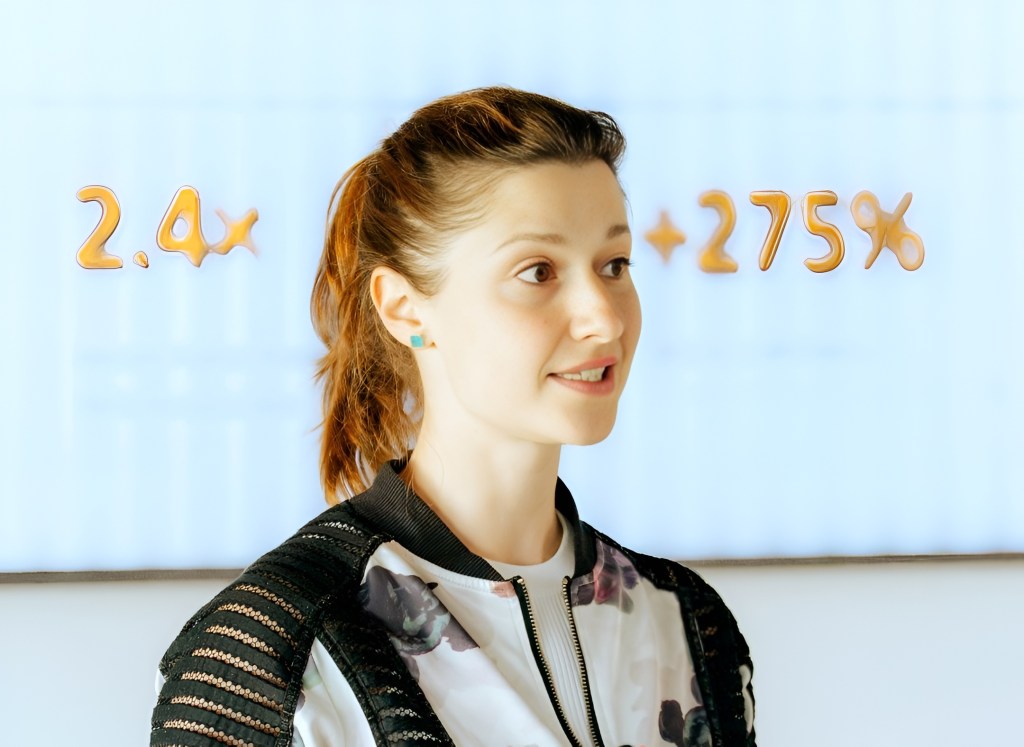
Featured image: Laura Cortes, founder of Velaia (Photo courtesy of Velaia)